
Dr Shiv Raj Sharm
About Me
Dr Shiv Raj Sharm
MD
Pulmonologist
10 Years Experience
Biography
My Clinic
OPD Hours
| Monday | Morning | 10:00 AM | - | 02:00 PM |
| Evening | 06:00 PM | - | 09:00 PM | |
| Tuesday | Morning | 10:00 AM | - | 02:00 PM |
| Evening | 06:00 PM | - | 09:00 PM | |
| Wednesday | Morning | 10:00 AM | - | 02:00 PM |
| Evening | 06:00 PM | - | 09:00 PM | |
| Thursday | Morning | 10:00 AM | - | 02:00 PM |
| Evening | 06:00 PM | - | 09:00 PM | |
| Friday | Morning | 10:00 AM | - | 02:00 PM |
| Evening | 06:00 PM | - | 09:00 PM | |
| Saturday | Morning | 10:00 AM | - | 02:00 PM |
| Evening | 06:00 PM | - | 09:00 PM | |
| Sunday | Morning | 10:00 AM | - | 02:00 PM |
| Evening | 06:00 PM | - | 09:00 PM |
Treatments
Specialised care and treatments offered
INTERSTITIAL LUNG DISEASE
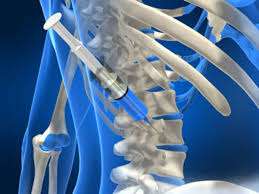
This term refers to a group of disorders affecting the interstitium (the tissue surrounding alveoli). Interstitial lung disease (ILD) can result from various causes including environmental exposures or autoimmune conditions impacting oxygen exchange within lungs over time leading potentially serious complications if untreated appropriately.
- Symptoms encompass chronic dry cough , shortness of breath especially during exertion , weight loss , fatigue amongst others depending upon severity progression levels .
- Diagnosis involves detailed review including imaging studies CT scans alongside pulmonary function testing enabling identification underlying pathophysiologies classifying degree fibrosis involvement appropriately .
- Management strategies focus initially symptom control via anti-inflammatory agents including corticosteroids / immunosuppressive therapies later transitioning towards oxygen supplementation ensuring optimized ventilation flows maintaining adequate gas exchanges critically throughout all conditions typifying presentations encountered daily practices involving robust follow-ups ensuring adherence protocols established collectively between professionals caring patients broadly itself along these lines too !
Prompt detection enables initiation tailored approaches enhancing patient quality longevity addressing multifaceted aspects lived experiences intertwined intricately entwined by overall fabric resilience faced together onward!
ACUTE BRONCHITIS

Acute bronchitis is characterized by inflammation of the bronchial tubes following an infection. It commonly develops after a cold or respiratory infection but usually resolves within weeks without causing lasting damage.
- The key symptoms typically include a persistent cough that may produce mucus, wheezing sounds during breathing, fatigue, and mild fever or chills.
- A physician assesses the condition based on medical history followed by a physical examination where breathing sounds are monitored closely to rule out other issues like pneumonia or COPD.
- The treatment approach often focuses on relieving symptoms through over-the-counter medications like cough suppressants or expectorants while emphasizing plenty of fluids and rest.
- Most cases resolve without extensive medical intervention; however monitoring symptoms ensures any potential complications are addressed swiftly.
With self-care measures in place , acute bronchitis should typically not hinder daily activities significantly during its course .
PULMONARY EMBOLISM

A pulmonary embolism (PE) occurs when a blood clot blocks a blood vessel in the lungs. This serious condition requires immediate medical intervention as it can jeopardize lung function significantly.
- The primary symptoms consist of sudden shortness of breath, chest pain that may worsen with deep breaths, rapid pulse rate, or coughing up blood.
- A comprehensive diagnosis involves imaging techniques such as CT pulmonary angiography along with tests for blood clots in veins (D-dimer test).
- Treatment may include anticoagulants to prevent new clots from forming or thrombolytics in severe cases to dissolve clots rapidly.
- A patient’s follow-up care is critical for monitoring recovery and preventing future occurrences through lifestyle modifications and medications as advised by healthcare professionals.
If detected early enough, the outcomes for patients suffering from PE can be greatly improved with timely interventions.
PNEUMONIA

Pneumonia is an infection that inflames the air sacs in one or both lungs. It can be caused by bacteria, viruses, or fungi leading to serious health complications if not treated promptly.
- Common symptoms include cough with phlegm or pus, fever, chills, and difficulty breathing.
- A healthcare provider will perform a physical examination along with imaging tests such as chest X-rays to confirm the diagnosis.
- Treatment usually involves antibiotics if bacterial in nature or antivirals for viral pneumonia; supportive care includes rest and hydration.
- An understanding of when to seek further medical attention helps patients manage their condition effectively at home.
If caught early and managed well, most individuals recover fully from pneumonia with appropriate care.
CHRONIC OBSTRUCTIVE PULMONARY DISEASE (COPD)

COPD is a progressive lung disease that makes it hard to breathe. It encompasses conditions like chronic bronchitis and emphysema and is primarily caused by long-term exposure to harmful substances.
- The main symptoms include persistent coughing, excess mucus production, and shortness of breath during physical activities.
- A thorough diagnosis is conducted through imaging tests such as X-rays or CT scans alongside lung function tests.
- Treatment focuses on relieving symptoms through bronchodilators, pulmonary rehabilitation programs, and oxygen therapy if necessary.
- Patients are advised on lifestyle changes such as quitting smoking and avoiding pollutants for better lung health.
With an early diagnosis and proper management plan, quality of life can improve for those living with COPD.
ASTHMA

Asthma is a chronic disease characterized by inflammation and narrowing of the airways, which can lead to difficulty in breathing. The condition can vary in severity and may trigger episodes that require immediate attention.
- Symptoms often include wheezing, shortness of breath, chest tightness, and nighttime coughing.
- Diagnosis typically involves a physical examination, lung function tests, and listening to the patient's history.
- Treatment options include inhaled corticosteroids, bronchodilators, and lifestyle modifications such as avoiding triggers.
- Patients can expect a personalized asthma action plan to manage their symptoms effectively.
With appropriate management and treatment strategies, individuals with asthma can lead healthy lives.