
Dr Shivam Priyada
About Me
Dr Shivam Priyada
MS
Urologists
10 Years Experience
Biography
My Clinic
OPD Hours
| Monday | Morning | 10:00 AM | - | 02:00 PM |
| Evening | 06:00 PM | - | 09:00 PM | |
| Tuesday | Morning | 10:00 AM | - | 02:00 PM |
| Evening | 06:00 PM | - | 09:00 PM | |
| Wednesday | Morning | 10:00 AM | - | 02:00 PM |
| Evening | 06:00 PM | - | 09:00 PM | |
| Thursday | Morning | 10:00 AM | - | 02:00 PM |
| Evening | 06:00 PM | - | 09:00 PM | |
| Friday | Morning | 10:00 AM | - | 02:00 PM |
| Evening | 06:00 PM | - | 09:00 PM | |
| Saturday | Morning | 10:00 AM | - | 02:00 PM |
| Evening | 06:00 PM | - | 09:00 PM | |
| Sunday | Morning | 10:00 AM | - | 02:00 PM |
| Evening | 06:00 PM | - | 09:00 PM |
Treatments
Specialised care and treatments offered
OVERACTIVE BLADDER
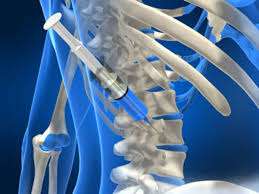
An overactive bladder (OAB) presents a challenging situation marked by an urgent need for urination frequently throughout each day alongside potential instances where leakage occurs unexpectedly!
&- (&
- &SOMESYMTOMS:UrgencyofneedurinatecharacterizesOABcombinedwithfiqreventurinaryepisodesalgorithmicactivityresultingintoclareskippingactivitiesduringdaydueurgeonhoughconfidencecouldleadhydrationandothersituationspotentiallyrestrictsignificantlytoenhancequalitylifewithit
- Acomprehensiveassessmentincludingviewingevaluateurineanalysissometimespromptingfurtherexaminationsassessinghealthconcernsfilledpotentiallycausethisconditioncommonly observedacrossvaryingagegroupsinitiatingchangehelpfulunderstandinginteractionwithlifestylehabitsprevalent&ID=+
- TREATMENTOPTIONSrangeinvolvementbehavioraltechniquesmedicationscertaindevicesaimedcalmingbladdersimultaneouslyimprovingoveralllivingwellnessenjoymenttoagainregainfeelingself-assuredandempoweredthroughoutlifetimepreferencesuponmeetinggoalslong-term&t;
(OABcanbechallengingmanaginglongtermithelpsorthisconditionadoptingsuccessfulmanagementstrategieslaythefoundationforeffectivenavigationsforwardyieldrestoredfreedompersonalfreedomsensationsabsencechallengescreatedsurroundingswithouthesitation!/P>)
ERECTILE DYSFUNCTION
Erectile dysfunction (ED) is characterized by the inability to achieve or maintain an erection suitable for satisfactory sexual performance. This issue affects many men across various age groups and often impacts emotional well-being as well as relationships.
- The main symptoms: reduced sexual desire or difficulty maintaining an erection during intimacy encounters regularly over time.
- A thorough diagnostic evaluation, including medical history review and physical exams focusing on hormonal assessments might be necessary before identifying underlying causes such as diabetes or cardiovascular disease issues.
- Treatment modalities could involve oral medications known as PDE5 inhibitors, therapy focused on psychological aspects if needed, vacuum devices for achieving erections physically along with lifestyle changes improving heart health overall enhancing erectile function too.
Erectile dysfunction is treatable! A variety of effective solutions empower you toward regaining confidence sexually without stigma attached seeking help consistently!
PROSTATITIS

Prostatitis refers to inflammation of the prostate gland which can occur due to bacterial infections or other factors. It affects men typically between 30-50 years old but can occur at any age.
- Main symptoms involve pelvic pain, painful urination, difficulty urinating, fever, or chills depending on whether it is acute or chronic prostatitis.
- A complete diagnosis requires reviewing symptoms along with laboratory tests including urine cultures or prostate secretions analysis.
- Treatment approaches depend on the cause; antibiotics are commonly prescribed for bacterial prostatitis while chronic non-bacterial prostatitis may need pain management strategies alongside lifestyle modifications.
The condition can be challenging but effective management strategies exist that help alleviate discomfort associated with prostatitis over time.
KIDNEY STONES

Kidney stones are hard deposits made of minerals and salts that form inside the kidneys. They can vary in size and may lead to severe pain when passing through the urinary tract.
- Pain is usually the first symptom, often described as sharp or cramping, which may radiate to the lower abdomen or groin.
BENIGN PROSTATIC HYPERPLASIA (BPH)

Benign Prostatic Hyperplasia (BPH) is a non-cancerous enlargement of the prostate gland commonly seen in older men. It can cause bothersome urinary symptoms that significantly impact quality of life.
- The primary symptoms include difficulty starting urination, weak stream, frequent urination at night, and urgency.
- A thorough diagnosis involves checking medical history, a digital rectal exam (DRE), and tests to measure urine flow rate.
- Treatment options range from lifestyle changes to medications aimed at shrinking the prostate or relaxing bladder muscles. In some cases, surgical procedures may be necessary.
- Regular follow-up is essential to monitor symptoms and adjust treatments accordingly.
BPH is manageable with proper care, allowing men to maintain an active lifestyle despite the challenges it poses.
URINARY INCONTINENCE

Urinary incontinence is a common condition that affects both men and women, often leading to embarrassment and affecting daily activities. This involuntary leakage of urine can stem from various causes and can occur at any age.
- Symptoms include a frequent urge to urinate, leakage during activities such as coughing or laughing, and total loss of bladder control.
- The diagnosis typically involves a medical history review, physical examination, and possibly urine tests to identify underlying issues.
- Treatment options may include behavioral therapies, pelvic floor exercises, medications, or surgical interventions for more severe cases.
- Patients should expect a thorough discussion of their symptoms and how lifestyle adjustments can improve their condition.
With appropriate treatment, many individuals find significant relief from urinary incontinence and regain confidence in their daily lives.