
DR Shivani Mehrotra
About Me
DR Shivani Mehrotra
MBBS
General Physician
10 Years Experience
Biography
My Clinic
OPD Hours
| Monday | Morning | 10:00 AM | - | 02:00 PM |
| Evening | 06:00 PM | - | 09:00 PM | |
| Tuesday | Morning | 10:00 AM | - | 02:00 PM |
| Evening | 06:00 PM | - | 09:00 PM | |
| Wednesday | Morning | 10:00 AM | - | 02:00 PM |
| Evening | 06:00 PM | - | 09:00 PM | |
| Thursday | Morning | 10:00 AM | - | 02:00 PM |
| Evening | 06:00 PM | - | 09:00 PM | |
| Friday | Morning | 10:00 AM | - | 02:00 PM |
| Evening | 06:00 PM | - | 09:00 PM | |
| Saturday | Morning | 10:00 AM | - | 02:00 PM |
| Evening | 06:00 PM | - | 09:00 PM | |
| Sunday | Morning | 10:00 AM | - | 02:00 PM |
| Evening | 06:00 PM | - | 09:00 PM |
Treatments
Specialised care and treatments offered
DEHYDRATION
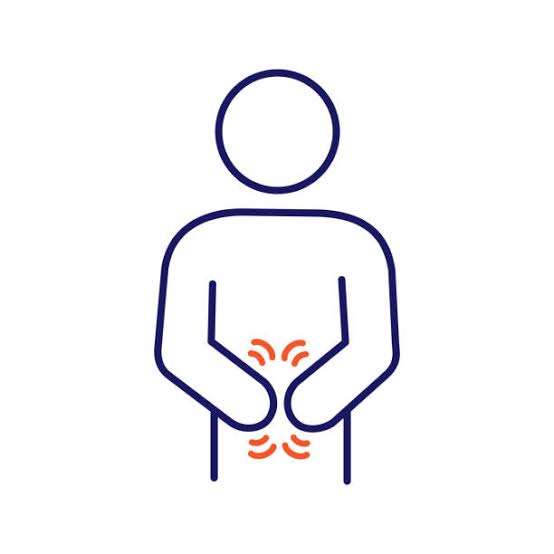
This occurs when your body loses more fluids than it takes in affecting normal bodily functions. Understanding dehydration's causes allows for early intervention!
< li < /> < je< causes Environmental heat strenuous activities inadequate fluid intake lead increased dehydration risks | / li < /> < | ] Diagnostic tools involve observing clinical signs conducting urine analyses determine dehydration severity evaluate appropriate proportions essential fluids|/;)M/< )(manage dehydration begins restoring balance through immediate fluids such electrolytes mild cases water intake suffice serious scenarios intravenous therapy required about-day rehydration plan!))|quintessential means combating adverse effects dehydration proactively!}ANEMIA

Anemia occurs when there is a deficiency in red blood cells or hemoglobin in the blood. This condition can significantly affect one's energy levels and overall health status if not properly managed!
- Symptoms: Common signs include fatigue, weakness pallor headache dizziness; unhealthy diets low iron intake increase likelihood anemia risk factor.|
A more thorough investigation reveals deficiencies leading cause while treatment varies based nature underlying issue! Treatment includes dietary changes incorporating nutrient-rich foods supplementation recommended|
GASTROESOPHAGEAL REFLUX DISEASE (GERD)
Brought on by stomach acid flowing back into the esophagus, Gastroesophageal Reflux Disease (GERD) is a prevalent digestive disorder causing significant discomfort. Proper understanding allows for effective management strategies aimed at alleviating symptoms.
- Symptoms: Heartburn after meals or when lying down is most common; other signs include regurgitation and difficulty swallowing.
- Causes: Risk factors include obesity, hiatal hernia, certain food choices (spicy foods or caffeine), and smoking habits that increase acid production.|
- Diagnosis: Diagnosis generally involves symptom review along with possible endoscopy or pH testing if symptoms persist despite treatment efforts.|
- Treatment: Lifestyle changes such as weight loss paired with medications like antacids or proton pump inhibitors form the foundation of treatment.|
- What to expect: With adherence to prescribed interventions patients often see improvement in their overall quality of life.|
The journey towards managing GERD requires commitment but leads toward significant symptom relief!
RESPIRATORY INFECTIONS
Respiratory infections encompass various conditions affecting the airways and lungs. These infections can range from mild colds to more serious diseases like pneumonia.
- Symptoms: Coughing, chest discomfort, wheezing, fever, and fatigue are common indicators of respiratory infections.
- Causes: Bacteria and viruses are typical pathogens; exposure through droplets from infected individuals is common in crowded settings.
- Diagnosis: Doctors typically perform physical examinations and may order chest X-rays or sputum tests depending on severity.
- Treatment: Management includes rest, hydration, antiviral or antibiotic therapies as indicated; vaccinations can help prevent some types of respiratory infections.
- What to expect: Most patients recover with proper care; however, individuals with weakened immune systems should seek medical attention promptly for complications.
A timely approach towards diagnosis and treatment ensures faster recovery from respiratory infections!
DIABETES MELLITUS

Diabetes Mellitus is a chronic condition characterized by high blood sugar levels due to the body's inability to produce enough insulin. Understanding this condition is vital for effective management.
- Symptoms: Common symptoms include increased thirst, frequent urination, fatigue, and blurred vision.
- Causes: Various factors contribute to diabetes such as genetic predisposition and lifestyle choices including an unhealthy diet or lack of physical activity.
- Diagnosis: Blood tests measuring glucose levels are used for diagnosis; HbA1c tests can indicate average blood sugar levels over time.
- Treatment: Management encompasses dietary modifications, regular exercise, and sometimes insulin therapy or oral medications as needed.
- What to expect: With consistent management strategies in place, individuals can avoid complications and lead fulfilling lives with diabetes.
A proactive approach to treatment significantly enhances quality of life for those affected by diabetes mellitus.
HYPERTENSION
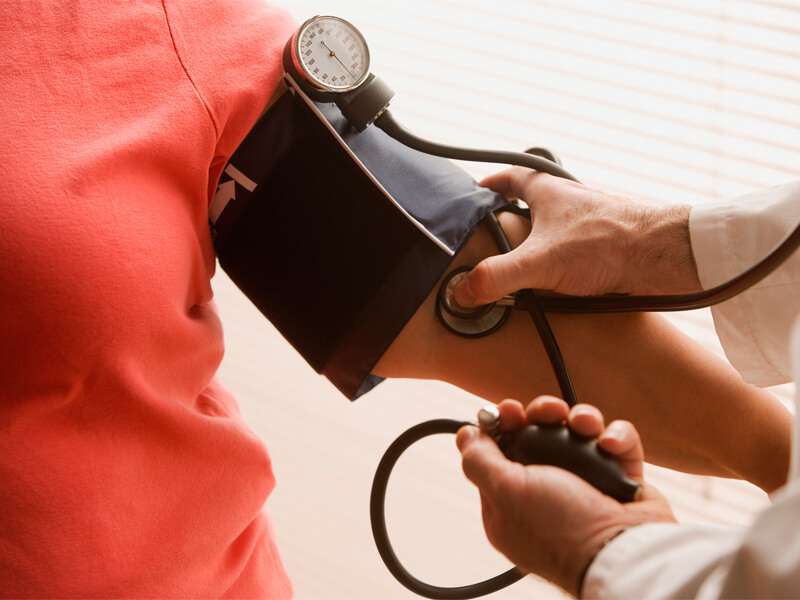
Hypertension, or high blood pressure, is a common condition that can lead to serious health complications if left untreated. It often presents without any noticeable symptoms, making regular monitoring essential for early detection.
- Symptoms: Many individuals may not experience obvious symptoms; however, severe cases could lead to headaches, shortness of breath, or nosebleeds.
- Causes: Factors such as genetics, obesity, sedentary lifestyle, and high salt intake can contribute to elevated blood pressure levels.
- Diagnosis: Blood pressure readings taken during routine check-ups are standard; additional tests might be conducted to assess heart health.
- Treatment: Management options include lifestyle changes like diet modification and exercise; medications may also be prescribed for more severe cases.
- What to expect: With appropriate management, individuals can control their blood pressure and reduce the risk of cardiovascular diseases.
Regular monitoring and lifestyle adjustments play a crucial role in managing hypertension effectively.