
Dr Shivprasad Date
About Me
Dr Shivprasad Date
General Physician
Biography
My Clinic
OPD Hours
| Tuesday | Morning | 10:00 AM | - | 02:00 PM |
| Evening | 06:00 PM | - | 09:00 PM | |
| Wednesday | Morning | 10:00 AM | - | 02:00 PM |
| Evening | 06:00 PM | - | 09:00 PM | |
| Thursday | Morning | 10:00 AM | - | 02:00 PM |
| Evening | 06:00 PM | - | 09:00 PM | |
| Friday | Morning | 10:00 AM | - | 02:00 PM |
| Evening | 06:00 PM | - | 09:00 PM | |
| Saturday | Morning | 10:00 AM | - | 02:00 PM |
| Evening | 06:00 PM | - | 09:00 PM | |
| Sunday | Morning | 10:00 AM | - | 02:00 PM |
| Evening | 06:00 PM | - | 09:00 PM | |
| Thursday | Morning | 10:00 AM | - | 02:00 PM |
| Evening | 06:00 PM | - | 09:00 PM |
Treatments
Specialised care and treatments offered
ACUTE GASTROENTERITIS TREATMENT
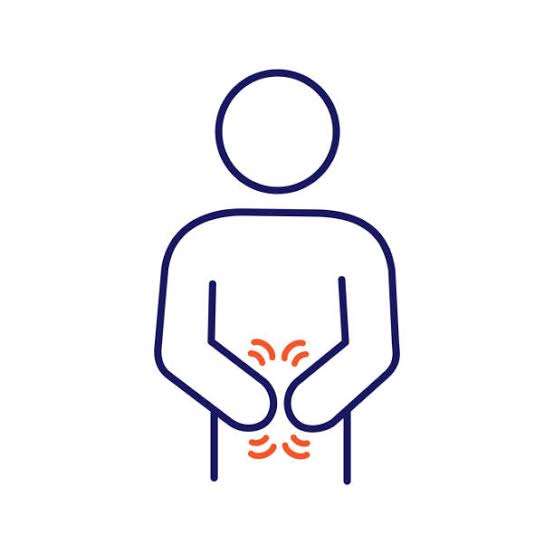
This condition refers to inflammation in the stomach/intestines often leading to diarrhea/vomiting—common culprits including viral infections (like norovirus). Proper understanding allows patients timely access resolving their discomfort swiftly!
RESPIRATORY INFECTIONS CARE

Respiratory infections encompass a range of conditions affecting the lungs and airways. These infections can range from mild colds to more severe diseases like pneumonia that require immediate attention for proper care.
- Symptoms: Common symptoms include coughs (with or without mucus), difficulty breathing, fever, chills, fatigue or chest discomfort.
THYROID DISORDERS MANAGEMENT
Your thyroid plays a pivotal role in metabolism regulation. Disorders affecting this gland can cause various symptoms impacting your overall well-being if left unaddressed.
- Symptoms : Individuals may present symptoms ranging from weight fluctuations to fatigue or mood changes depending on whether they are experiencing hyperthyroidism or hypothyroidism.
- Causes : Autoimmune conditions (like Hashimoto's disease) or nodules affecting hormone production can disrupt normal thyroid function.
- Diagnosis : Blood tests measuring TSH (Thyroid Stimulating Hormone) along with T3 & T4 hormone levels help determine functionality.
- Treatment options : Depending on the diagnosis , treatments could entail hormone replacement therapies for hypothyroidism or medications aimed at managing hyperthyroidism. Regular monitoring remains critical during any treatment plan .
- What to expect : Patients should maintain open lines of communication regarding symptoms & follow-ups post-treatment adjustments are key for optimal outcomes .
Effective management strategies tailored specifically toward thyroid disorders promote improved quality of life through sustained wellness measures .
CHOLESTEROL CONTROL
High cholesterol levels can significantly increase the risk of cardiovascular diseases. Understanding cholesterol's role in your health is essential for effective management and prevention strategies.
- Symptoms: High cholesterol usually presents no symptoms; however, it may lead to serious complications like heart attacks over time.
- Causes: Contributing factors often include poor diet rich in trans fats, lack of physical activity, obesity, smoking habits, and genetic predisposition.
- Diagnosis: A simple blood test known as a lipid panel provides insight into cholesterol levels across different types: LDL (bad) cholesterol and HDL (good) cholesterol.
- Treatment options: Lifestyle changes are essential; this includes healthier eating habits combined with regular exercise. Medications such as statins may be recommended based on individual risk assessments.
- What to expect: Ongoing monitoring will help gauge effectiveness while adjustments can be made according to results from follow-up tests.
A proactive approach towards controlling cholesterol can lead you towards better heart health long term!
DIABETES SCREENING AND MANAGEMENT

The prevalence of diabetes continues to rise globally, making early screening crucial. This metabolic disorder affects how the body processes blood sugar (glucose), which can have serious implications for overall health when unmanaged.
- Symptoms: Common signs include increased thirst, frequent urination, fatigue, and blurred vision.
- Causes: Risk factors encompass obesity, sedentary lifestyles, family history, and age.
- Diagnosis: A fasting blood glucose test or an HbA1c test helps confirm diabetes status.
- Treatment options: Management strategies may include lifestyle interventions such as dietary changes, exercise programs, and medications including insulin therapy where necessary.
- What to expect: Continuous self-monitoring of blood sugar levels is encouraged alongside regular consultations to adapt treatment plans effectively.
With proper management practices in place, individuals with diabetes can lead active lives while minimizing health risks associated with the condition.
HYPERTENSION MANAGEMENT
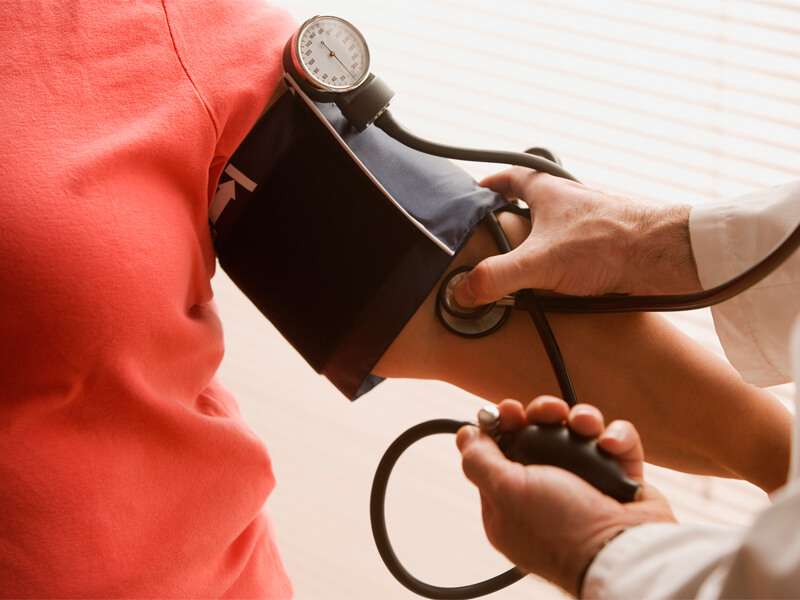
Hypertension, or high blood pressure, is a common condition that can lead to serious health issues if left untreated. It often develops silently and may not show symptoms until significant damage has occurred.
- Symptoms: Many individuals don’t experience noticeable symptoms, but some may report headaches, dizziness, or nosebleeds.
- Causes: Factors contributing to hypertension include genetics, poor diet, lack of physical activity, and stress.
- Diagnosis: Blood pressure is measured using a sphygmomanometer during both routine checkups and specific evaluations.
- Treatment options: Management typically involves lifestyle changes such as diet modifications, exercise, and medication like diuretics or ACE inhibitors.
- What to expect: Regular monitoring and follow-up visits are essential to adjust treatments based on your progress.
Early detection and appropriate management of hypertension are vital in preventing complications such as heart disease and stroke.