Dr Shri Niwash Ja
About Me
Dr Shri Niwash Ja
MBBS
General Physician
Biography
My Clinic
OPD Hours
| Monday | Morning | 10:00 AM | - | 02:00 PM |
| Evening | 06:00 PM | - | 09:00 PM | |
| Tuesday | Morning | 10:00 AM | - | 02:00 PM |
| Evening | 06:00 PM | - | 09:00 PM | |
| Wednesday | Morning | 10:00 AM | - | 02:00 PM |
| Evening | 06:00 PM | - | 09:00 PM | |
| Thursday | Morning | 10:00 AM | - | 02:00 PM |
| Evening | 06:00 PM | - | 09:00 PM | |
| Friday | Morning | 10:00 AM | - | 02:00 PM |
| Evening | 06:00 PM | - | 09:00 PM | |
| Saturday | Morning | 10:00 AM | - | 02:00 PM |
| Evening | 06:00 PM | - | 09:00 PM | |
| Sunday | Morning | 10:00 AM | - | 02:00 PM |
| Evening | 06:00 PM | - | 09:00 PM |
Treatments
Specialised care and treatments offered
INFECTION SCREENINGS
Infection screenings involve tests designed to detect various infectious diseases that may present without clear symptoms. Such screenings help identify risks early on enabling timely treatment interventions when necessary!
- Ineffective immune responses could manifest minorly at first but knowing possible exposures through targeted labs provides clarity regarding underlying conditions like STIs or tuberculosis which commonly require confirmation via specific tests like cultures or serologies
ROUTINE HEALTH CHECK-UP

A routine health check-up is comprehensive assessment aimed at identifying potential health issues before they become severe. Regular exams are beneficial for maintaining overall wellness throughout different life stages.
- You might not notice any symptoms during regular intervals; however, early detection through routine checks can save lives by addressing conditions like hypertension or diabetes early on.
- This assessment usually involves measuring vital signs—blood pressure, heart rate—and conducting basic laboratory tests such as blood work and urinalysis when indicated.
- Your healthcare provider will discuss your medical history extensively to tailor recommendations specifically for you based on risk factors identified during the check-up process.
An investment in regular health assessments leads towards proactive health management tailored specifically for your needs over time!
THYROID FUNCTION TESTS
The thyroid gland plays a critical role in regulating metabolism and energy levels through hormone production. Thyroid dysfunction can manifest in various ways, making functional tests essential for diagnosis.
- Symptoms such as weight changes, fatigue, or mood fluctuations might indicate thyroid problems but are often overlooked without proper testing.
- A common diagnostic approach includes testing TSH (Thyroid Stimulating Hormone), T3, and T4 hormone levels from a blood sample.
- Treatment varies based on whether the thyroid is underactive (hypothyroidism) or overactive (hyperthyroidism), utilizing medications or lifestyle adjustments accordingly.
Regular evaluations are recommended for anyone experiencing symptoms related to thyroid function since timely treatment can alleviate discomfort and prevent further complications.
LIPID PROFILE EVALUATION
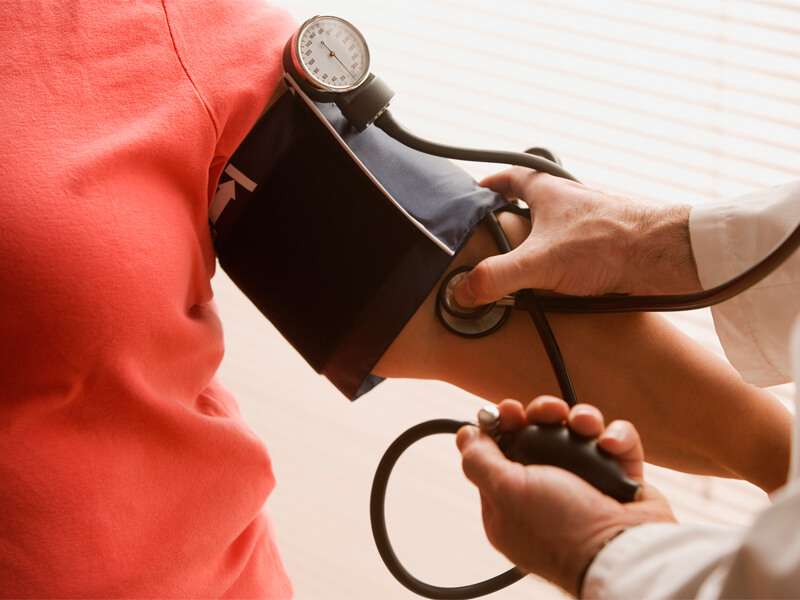
A lipid profile evaluation is vital for assessing cardiovascular health by measuring cholesterol levels in the bloodstream. Understanding lipid levels can inform strategies to reduce heart disease risk.
- High cholesterol often has no visible symptoms, which is why testing is crucial for early detection.
- The evaluation typically includes total cholesterol, LDL, HDL, and triglyceride levels measured through a simple blood test after fasting.
- Treatment strategies include lifestyle changes such as adopting a heart-healthy diet and increasing physical activity; medications may also be prescribed when necessary.
- A lipid profile should be regularly monitored to track changes related to diet or medication effectiveness.
This evaluation serves as an essential tool for preventing serious cardiovascular issues down the line.
DIABETES SCREENING

Diabetes is a group of diseases that result in high blood sugar levels over time. Early diagnosis through screening can significantly reduce the risk of complications associated with unmanaged diabetes.
- Symptoms may include increased thirst, frequent urination, fatigue, and blurred vision, though some patients remain asymptomatic.
- A blood test to measure glucose levels is the primary method for diagnosing diabetes.
- Management includes dietary changes, exercise regimens, and possibly insulin therapy or oral medications depending on the type of diabetes.
- Regular monitoring of blood sugar levels helps in identifying trends and adjusting treatment accordingly.
Being proactive about screening can lead to early intervention and better management of diabetes.
HYPERTENSION MANAGEMENT

Hypertension, commonly known as high blood pressure, is a chronic condition that can lead to severe health issues if left unmanaged. It often develops gradually and may not present obvious symptoms, making regular monitoring crucial.
- Common symptoms include headaches, shortness of breath, and nosebleeds; however, many individuals may feel perfectly well.
- Diagnosis typically involves measuring blood pressure using a sphygmomanometer during routine check-ups.
- Treatment options range from lifestyle modifications such as diet and exercise to medications like diuretics or ACE inhibitors.
- Managing hypertension is essential to prevent complications like heart disease and stroke.
- Regular follow-up appointments are necessary to monitor blood pressure levels and adjust treatments as needed.
Living with hypertension requires commitment but following your doctor's advice can lead to a healthier life.