
Dr Shrikant Shar
About Me
Dr Shrikant Shar
MBBS
General Physician
10 Years Experience
Biography
My Clinic
OPD Hours
| Monday | Morning | 10:00 AM | - | 02:00 PM |
| Evening | 06:00 PM | - | 09:00 PM | |
| Tuesday | Morning | 10:00 AM | - | 02:00 PM |
| Evening | 06:00 PM | - | 09:00 PM | |
| Wednesday | Morning | 10:00 AM | - | 02:00 PM |
| Evening | 06:00 PM | - | 09:00 PM | |
| Thursday | Morning | 10:00 AM | - | 02:00 PM |
| Evening | 06:00 PM | - | 09:00 PM | |
| Friday | Morning | 10:00 AM | - | 02:00 PM |
| Evening | 06:00 PM | - | 09:00 PM | |
| Saturday | Morning | 10:00 AM | - | 02:00 PM |
| Evening | 06:00 PM | - | 09:00 PM | |
| Sunday | Morning | 10:00 AM | - | 02:00 PM |
| Evening | 06:00 PM | - | 09:00 PM |
Treatments
Specialised care and treatments offered
DIGESTIVE DISORDERS
Digestive disorders encompass a variety of conditions affecting the gastrointestinal tract. Recognizing symptoms early aids timely intervention that promotes digestive health overview will ensure better outcomes long term
- Common digestive issues include gastroesophageal reflux disease (GERD), irritable bowel syndrome (IBS), constipation among others impacting daily functioning negatively;
- Diagnosis often relies upon symptom review alongside diagnostic tests such as endoscopy imaging studies;
- Treatment methods vary from dietary adjustments medications fiber supplements aimed supporting digestive system;
Overall awareness about potential underlying problems leading towards implications encourages proactive discussions with your healthcare provider promoting healthier living patterns throughout lifetime
CHOLESTEROL MANAGEMENT

Elevated cholesterol levels can lead to cardiovascular diseases. Understanding cholesterol's role in your body is crucial for prevention strategies aimed at reducing health risks.
- High low-density lipoprotein (LDL) cholesterol often shows no visible symptoms yet poses significant risks for heart issues over time if unchecked.
- A lipid panel test measures cholesterol levels aiding in diagnosis; regular screenings are recommended as part of preventive care protocols .
- Lifestyle changes including dietary modifications towards heart-healthy foods coupled with regular physical activity constitute foundational aspects of management strategies. Medications may be prescribed when necessary.
- Patient education on understanding cholesterol impacts fosters better adherence to healthy behaviors.
Effective cholesterol management not only improves cardiovascular health but also supports overall wellness throughout an individual’s life.
THYROID DISORDERS

The thyroid gland produces hormones that regulate metabolism. Disorders such as hypothyroidism or hyperthyroidism can significantly impact overall health if not properly managed.
- Symptoms vary: hypothyroidism may cause fatigue and weight gain while hyperthyroidism might lead to unintentional weight loss and increased heart rate.
- A comprehensive evaluation involving blood tests measuring hormone levels leads to accurate diagnosis of thyroid disorders.
- Treatment depends on the specific disorder; hypothyroidism often requires synthetic hormone replacement while hyperthyroidism may need medication or other interventions like radioactive iodine therapy.
- Lifelong monitoring ensures effective management of these conditions over time
Diligent attention to thyroid health helps maintain balance in bodily functions and enhances quality of life for those affected by these disorders.
ASTHMA MANAGEMENT
Asthma is a chronic respiratory condition that causes the airways to become inflamed and narrow. Understanding asthma is key to effective management and maintaining an active lifestyle.
- Common symptoms include recurring episodes of wheezing, coughing (especially at night), chest tightness, and shortness of breath.
- The condition is diagnosed through clinical evaluations including lung function tests and patient history assessments.
- Treatment generally involves inhaled corticosteroids for long-term control alongside bronchodilators for quick relief during attacks.
- Avoiding known triggers such as allergens or irritants plays a vital role in managing symptoms effectively.
With appropriate treatment strategies in place, many individuals can successfully control their asthma symptoms and lead fulfilling lives without major limitations.
DIABETES MANAGEMENT

Diabetes is a chronic condition characterized by high levels of glucose in the blood. It requires long-term management to prevent complications and maintain quality of life.
- Main types include type 1 diabetes and type 2 diabetes, each having unique causes and management strategies.
- Common symptoms include excessive thirst, frequent urination, fatigue, and blurred vision; however, some may not exhibit noticeable signs initially.
- Diagnosis typically involves blood tests to measure glucose levels.
- Treatment approaches include dietary adjustments, physical activity, oral medications, or insulin therapy based on individual needs.
- Regular follow-up care is crucial for preventing complications such as neuropathy or cardiovascular diseases.
A well-structured plan tailored to the individual's lifestyle can significantly improve outcomes for those living with diabetes.
HYPERTENSION

Hypertension, commonly referred to as high blood pressure, is a condition that affects millions globally. It often develops over many years and can lead to severe health complications if left untreated.
- Symptoms may include headaches, shortness of breath, or nosebleeds, but many people experience no symptoms at all.
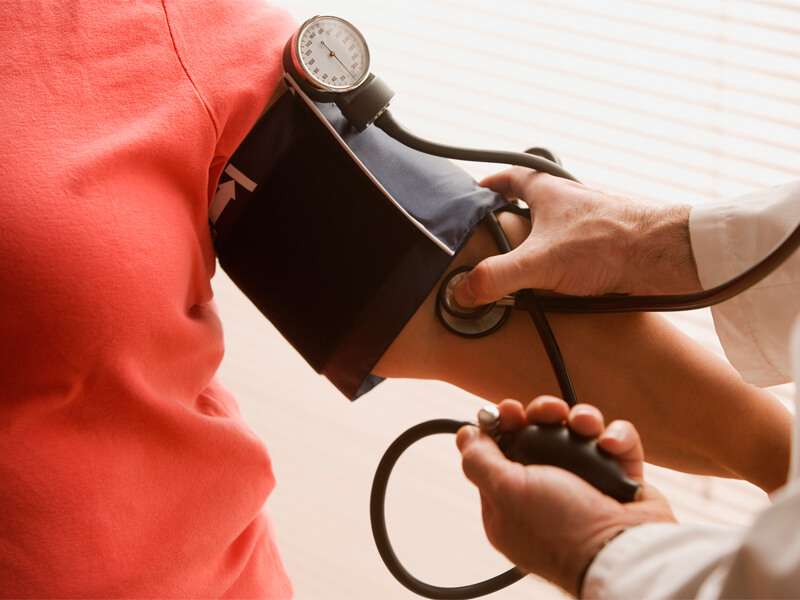
- The diagnosis is typically made using a blood pressure monitor during routine check-ups.
- Treatment options include lifestyle changes like diet and exercise, along with medications such as diuretics and ACE inhibitors.
- Regular monitoring is essential; patients should learn how to check their own blood pressure at home.
- Managing hypertension can greatly reduce the risk of heart disease and stroke.
With proper management, individuals with hypertension can live healthy lives while minimizing risks associated with this condition.