
Dr Shruti Parkar
About Me
Dr Shruti Parkar
Cardiologist
Biography
My Clinic
OPD Hours
| Tuesday | Morning | 10:00 AM | - | 02:00 PM |
| Evening | 06:00 PM | - | 09:00 PM | |
| Wednesday | Morning | 10:00 AM | - | 02:00 PM |
| Evening | 06:00 PM | - | 09:00 PM | |
| Thursday | Morning | 10:00 AM | - | 02:00 PM |
| Evening | 06:00 PM | - | 09:00 PM | |
| Friday | Morning | 10:00 AM | - | 02:00 PM |
| Evening | 06:00 PM | - | 09:00 PM | |
| Saturday | Morning | 10:00 AM | - | 02:00 PM |
| Evening | 06:00 PM | - | 09:00 PM | |
| Sunday | Morning | 10:00 AM | - | 02:00 PM |
| Evening | 06:00 PM | - | 09:00 PM | |
| Thursday | Morning | 10:00 AM | - | 02:00 PM |
| Evening | 06:00 PM | - | 09:00 PM |
Treatments
Specialised care and treatments offered
PERIPHERAL ARTERY DISEASE TREATMENT

The treatment of Peripheral Artery Disease (PAD) focuses on improving blood flow through narrowed arteries primarily affecting limbs. Patients suffering from PAD often face debilitating symptoms that can severely restrict their mobility if left untreated over prolonged periods..
- Symptoms : Key indicators include leg pain while walking (claudication), numbness/cramping sensations particularly during exertion,coldness in one leg/foot;
- Diagnostic Tools : Physical examination complemented by ultrasounds & angiography help pin-point vascular abnormalities effectively leading towards accurate diagnoses!
- Management Options : Lifestyle modification plays an integral role alongside medications targeting cholesterol/lipid profiles combined arterial revascularization methods where applicable!
By addressing PAD comprehensively patient experiences tangible improvements making daily tasks manageable once again supporting active lifestyles post-care regimen compliance diligently maintained!
TRANSCATHETER AORTIC VALVE REPLACEMENT (TAVR)
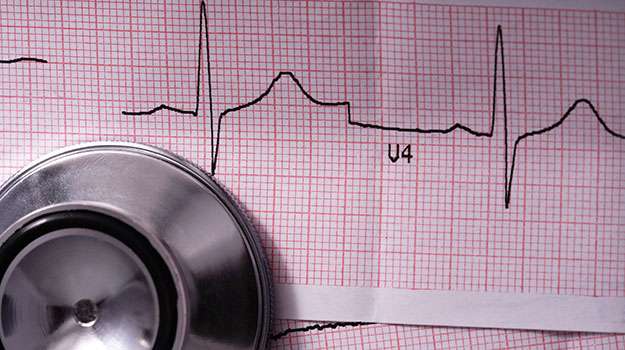
TAVR is a groundbreaking minimally invasive procedure used primarily for patients experiencing severe aortic stenosis who are at high risk for traditional surgery. This technique allows doctors to replace a narrowed aortic valve without open-heart surgery thanks to advancements in catheter-based technology.
- Main Symptoms: Patients often present with shortness of breath during activities, fatigue, dizziness or fainting spells as their condition progresses without intervention.
- Diagnosing Aortic Stenosis: Echocardiograms play a vital role in diagnosis along with thorough clinical assessments determining treatment eligibility based on severity levels;
- Treatment Approach : TAVR typically involves placing new valves via catheters inserted through blood vessels leading into your heart rather than undergoing extensive surgical procedures;
Immediate post-procedure monitoring ensures checks against possible complications; many patients experience rapid recovery times enabling them quicker return back home compared against traditional options!
PACEMAKER IMPLANTATION
A pacemaker is a small device implanted under the skin that helps regulate abnormal heart rhythms. It sends electrical signals to prompt the heart to beat at a normal rate when it detects slow or irregular rhythms.
- Indications for Use: Ideal candidates include patients suffering from bradycardia—where the heart beats too slowly—or specific types of arrhythmias not properly managed by medication alone.
- Diagnostic Tests: Doctors typically conduct ECGs and possibly electrophysiological studies before recommending pacemaker implantation.
- The Procedure: The implantation process generally takes about one hour and is performed under local anesthesia; recovery time ranges depending on individual circumstances but is usually swift.
Pacemaker recipients often see significant improvement in their energy levels and overall well-being following recovery from this common yet vital procedure.
ATRIAL FIBRILLATION ABLATION
Atrial fibrillation (AFib) ablation is a procedure designed to treat irregular heartbeats that often arise from an electrical disturbance in the heart’s upper chambers. This technique helps restore normal rhythm and reduce stroke risk associated with AFib.
- Causative Factors: AFib can be triggered by hypertension, heart valve disorders, or excessive alcohol consumption among other factors.
- Symptoms: Patients frequently report palpitations, dizziness, shortness of breath during physical activity, or even chest pain.
- Diagnosis Methods: It usually begins with an ECG followed by further tests like Holter monitoring to confirm irregularities over time.
- Treatment Process: The ablation itself involves using radiofrequency energy to destroy small areas of tissue causing abnormal signals within the heart.
This targeted approach provides effective symptom relief; however, ongoing management with medications may still be necessary post-procedure for some patients.
HEART VALVE SURGERY
Heart valve surgery is aimed at repairing or replacing damaged heart valves that can lead to serious complications. Each valve plays a crucial role in ensuring proper blood flow through the heart’s chambers, and when they malfunction, symptoms can worsen quickly.
- Causes: Common causes include rheumatic fever, congenital defects, or degeneration due to age.
- Symptoms: Patients may report symptoms such as irregular heartbeat, fatigue, swollen ankles or feet, and shortness of breath.
- Diagnosis: Diagnosis usually involves echocardiograms and physical exams to assess valve function.
- Surgical Options: Depending on the condition's severity, surgeons may use either minimally invasive techniques or traditional open-heart surgery for repair or replacement.
Recovery can take time; however, many patients experience significant improvements in their quality of life after surgery with appropriate follow-up care.
CORONARY ANGIOPLASTY
Coronary angioplasty is a minimally invasive procedure used to open narrowed or blocked coronary arteries. Often performed alongside stent placement, this treatment aims to restore blood flow to the heart muscle, improving overall heart function.
- Symptoms: Patients may experience chest pain (angina), shortness of breath, or fatigue during exertion.
- Diagnosis: Diagnosis typically involves an angiogram, where contrast dye is injected into the arteries to visualize blockages.
- Treatment Options: Angioplasty often includes balloon dilation and may involve placing a stent to keep the artery open.
- Post-Procedure Care: Patients are monitored in the hospital for several hours and prescribed medication to prevent blood clots.
Success rates for angioplasty are high, but lifestyle changes are crucial for long-term benefits, including a healthy diet and regular exercise.