
Dr Shubhangi Upadhye
About Me
Dr Shubhangi Upadhye
Anesthesiologist
Biography
My Clinic
OPD Hours
| Tuesday | Morning | 10:00 AM | - | 02:00 PM |
| Evening | 06:00 PM | - | 09:00 PM | |
| Wednesday | Morning | 10:00 AM | - | 02:00 PM |
| Evening | 06:00 PM | - | 09:00 PM | |
| Thursday | Morning | 10:00 AM | - | 02:00 PM |
| Evening | 06:00 PM | - | 09:00 PM | |
| Friday | Morning | 10:00 AM | - | 02:00 PM |
| Evening | 06:00 PM | - | 09:00 PM | |
| Saturday | Morning | 10:00 AM | - | 02:00 PM |
| Evening | 06:00 PM | - | 09:00 PM | |
| Sunday | Morning | 10:00 AM | - | 02:00 PM |
| Evening | 06:00 PM | - | 09:00 PM | |
| Thursday | Morning | 10:00 AM | - | 02:00 PM |
| Evening | 06:00 PM | - | 09:00 PM |
Treatments
Specialised care and treatments offered
OBSTETRIC ANESTHESIA
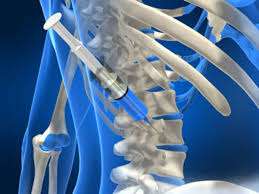
The management of pain during labor and delivery falls under obstetric anesthesia. This specialty aims to provide comfort while ensuring safety for both mothers and newborns throughout the childbirth process.
- Symptoms/causes: Expectant mothers may choose regional analgesia like epidurals as an option during labor based on individual preferences regarding pain relief .
- Diagnosis: Patient consultation determines suitable methods compatible with health statuses without compromising fetal health .
- Treatment options: Options include continuous labor analgesia provided via catheters placed strategically enhancing effectiveness while managing side effects .
- Expectations: Mothers generally experience reduced discomfort throughout delivery while remaining alert; post-labor monitoring consists mainly offering continued assistance until stabilization occurs after birth .
This service plays a critical role not only mitigates potential stressors accompanying childbirth but also supports positive maternal-fetal outcomes throughout labor dynamics.
ANESTHESIA FOR PEDIATRIC PATIENTS

Anesthesia involving children requires special considerations due to their unique physiological responses. Pediatric anesthesiology ensures safe and effective care tailored specifically for younger patients undergoing surgery or invasive procedures.
- Pediatric concerns: Children may present different challenges such as fear or emotional distress which require additional support
Careful attention to details guarantees that pediatric anesthesia practices prioritize safety while ensuring an efficient surgical experience .
PAIN MANAGEMENT IN CHRONIC CONDITIONS

Pain management strategies are essential for patients suffering from chronic conditions requiring comprehensive care. Effective management often combines medications with alternative therapies aimed at improving quality of life.
- Symptoms/causes: Chronic pain can stem from various conditions such as arthritis, fibromyalgia, or neuropathies that significantly impact daily activities.
- Diagnosis: Accurate diagnosis includes thorough evaluations including medical history reviews and diagnostic imaging if required to identify underlying causes.
- Treatment options: Approaches may involve nerve blocks, medication regimens, physical therapy, or referral to specialized pain management clinics as necessary.
- Additional care expectations: Regular follow-ups help tailor ongoing treatment plans based on response and changes in symptoms over time.
A multidisciplinary approach can greatly enhance outcomes in managing persistent pain effectively, ensuring overall well-being for patients.
SEDATION

Sedation provides a calming effect and reduces anxiety during minor surgical procedures. This method can range from mild sedation (anxiolysis) to deep sedation where patients are less responsive but still can be aroused.
- Symptoms/causes: Often used in outpatient procedures like endoscopies or dental work where relaxation is needed but not complete unconsciousness.
- Diagnosis: A pre-procedure assessment evaluates the patient’s health status and any potential allergies or contraindications to sedatives.
- Treatment options: Medications used may include benzodiazepines or opioids administered intravenously or orally as needed based on procedure duration.
- Expectations: Patients often feel relaxed during the procedure and may have little memory afterward; monitoring ensures safety throughout.
This method effectively alleviates patient discomfort while still maintaining consciousness when necessary.
REGIONAL ANESTHESIA

Regional anesthesia involves the injection of anesthetic near a cluster of nerves to block sensation in a specific area of the body. This technique is beneficial for surgeries on limbs or certain abdominal procedures.
- Symptoms/causes: Used for surgeries where pain control is essential but full unconsciousness isn't necessary.
- Diagnosis: A thorough evaluation of the patient's health history and the type of surgery planned will guide this choice.
- Treatment options: Techniques may include epidurals, spinal blocks, or peripheral nerve blocks depending on the required area of numbness.
- What to expect: Patients remain awake but free from pain in the targeted region; post-surgery recovery typically involves careful monitoring for mobility.
This approach enhances recovery experiences by minimizing pain without inducing full sedation.
GENERAL ANESTHESIA

General anesthesia is a medically induced state of unconsciousness and insensitivity to pain. It is commonly utilized during major surgical procedures to ensure that patients remain completely unaware of their surroundings.
- Symptoms/causes: Patients require general anesthesia for extensive surgeries, trauma, or when local anesthesia is insufficient.
- Diagnosis: Assessment involves medical history, physical examinations, and sometimes pre-operative testing to determine suitability.
- Treatment options: Various agents can induce general anesthesia, including inhalational and intravenous anesthetics tailored to individual needs.
- Expectations: Patients may experience drowsiness upon waking and are typically monitored closely during recovery.
This form of anesthesia is crucial for patient comfort and safety during invasive procedures.