
Dr Shyam Bahadur
About Me
Dr Shyam Bahadur
MBBS
General Physician
10 Years Experience
Biography
My Clinic
OPD Hours
| Monday | Morning | 10:00 AM | - | 02:00 PM |
| Evening | 06:00 PM | - | 09:00 PM | |
| Tuesday | Morning | 10:00 AM | - | 02:00 PM |
| Evening | 06:00 PM | - | 09:00 PM | |
| Wednesday | Morning | 10:00 AM | - | 02:00 PM |
| Evening | 06:00 PM | - | 09:00 PM | |
| Thursday | Morning | 10:00 AM | - | 02:00 PM |
| Evening | 06:00 PM | - | 09:00 PM | |
| Friday | Morning | 10:00 AM | - | 02:00 PM |
| Evening | 06:00 PM | - | 09:00 PM | |
| Saturday | Morning | 10:00 AM | - | 02:00 PM |
| Evening | 06:00 PM | - | 09:00 PM | |
| Sunday | Morning | 10:00 AM | - | 02:00 PM |
| Evening | 06:00 PM | - | 09:00 PM |
Treatments
Specialised care and treatments offered
IRRITABLE BOWEL SYNDROME (IBS) SYMPTOM CONTROL

Irritable Bowel Syndrome is a functional gastrointestinal disorder causing abdominal discomfort along with altered bowel habits without detectable organic pathology.
- Main symptoms & triggers: Abdominal pain/cramps relief after bowel movement; diarrhea or constipation predominant types exist. Stressful situations often exacerbate symptoms.
- Description of diagnosis: Diagnosis involves symptom review guided by criteria after excluding infections/inflammatory diseases via stool tests or endoscopy if indicated.
- Treatment modalities: Dietary adjustments including fiber intake regulation; managing stress through relaxation techniques; medications targeting specific symptoms as needed;
NON-ALCOHOLIC FATTY LIVER DISEASE (NAFLD) GUIDANCE

This liver condition results from fat accumulation unrelated to alcohol consumption and is often associated with metabolic syndrome components like obesity and diabetes.
- Causal elements & signs: Usually asymptomatic but may cause fatigue or discomfort in upper right abdomen. Linked with overweight status and insulin resistance.
- Identification techniques: Blood tests for liver enzymes, abdominal ultrasound assist in diagnosis; sometimes biopsy required for severity assessment.
- Therapeutic measures: Weight loss through diet modification focusing on healthy fats, reduced sugars; regular physical activity highly recommended. Managing associated conditions important too.
- Disease outlook: Early intervention can halt progression to inflammation or cirrhosis; ongoing monitoring essential for liver health maintenance.
CHRONIC OBSTRUCTIVE PULMONARY DISEASE (COPD) SUPPORT
COPD describes progressive lung diseases that cause airflow blockage and breathing difficulties primarily due to smoking or long-term exposure to lung irritants.
- Causative factors & symptoms: Chronic cough with mucus production, shortness of breath during activities are typical signs. Smoking is the primary cause.
- Diagnosis process: Lung function tests (spirometry) evaluate airflow limitation; imaging may support diagnosis.
- Treatment approaches: Stopping smoking is critical; bronchodilators help relieve symptoms. Pulmonary rehabilitation guides breathing exercises and fitness improvement.
- Long term management: Avoiding pollutants and vaccinations reduce exacerbation risks; oxygen therapy may be necessary in advanced stages.
A multidisciplinary plan emphasizing lifestyle adjustments alongside medication optimizes quality of life for COPD patients.
TYPE 2 DIABETES MELLITUS CARE

Type 2 diabetes is a metabolic disorder characterized by high blood sugar due to insulin resistance or insufficient insulin production.
- Symptoms and causes: Symptoms include frequent urination, increased thirst, fatigue, blurred vision. Risk factors are obesity, sedentary lifestyle, family history.
- Diagnostic methods: Blood tests such as fasting glucose and HbA1c levels assess long-term sugar control.
- Treatment strategies: Primary focus is on dietary modification aimed at balanced low-glycemic foods coupled with regular exercise. Medications may be introduced if needed.
- Lifestyle impact: Weight loss and active lifestyle greatly improve insulin sensitivity and overall prognosis.
A proactive approach combining self-care education with medical management helps prevent complications like neuropathy and cardiovascular disease.
HYPERTENSION MANAGEMENT
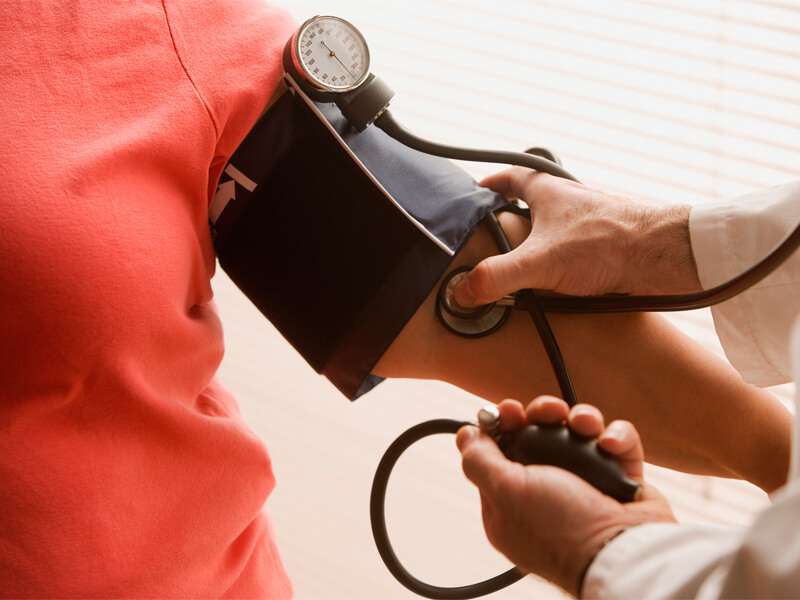
High blood pressure, or hypertension, is a common condition that often develops without obvious symptoms but can lead to serious health problems over time.
- Causes and symptoms: It may be caused by genetic factors, lifestyle habits like excessive salt intake, stress, obesity, or inactivity. Often symptomless initially but can cause headaches or dizziness.
- Diagnosis: Regular blood pressure measurements using a cuff in clinic or ambulatory monitoring confirm elevated readings over multiple visits.
- Treatment options: Lifestyle changes such as reducing sodium intake, increasing physical activity, maintaining healthy weight, and avoiding tobacco. In some cases, medications are prescribed to control blood pressure.
- Management expectations: Consistent monitoring and adherence to lifestyle modifications usually help control blood pressure and reduce risk of complications.
Early detection and sustained management are key to preventing heart disease, stroke, and kidney damage linked with hypertension.