
Dr Shyam Sunder
About Me
Dr Shyam Sunder
MBBS
General Physician
Biography
My Clinic
OPD Hours
| Monday | Morning | 10:00 AM | - | 02:00 PM |
| Evening | 06:00 PM | - | 09:00 PM | |
| Tuesday | Morning | 10:00 AM | - | 02:00 PM |
| Evening | 06:00 PM | - | 09:00 PM | |
| Wednesday | Morning | 10:00 AM | - | 02:00 PM |
| Evening | 06:00 PM | - | 09:00 PM | |
| Thursday | Morning | 10:00 AM | - | 02:00 PM |
| Evening | 06:00 PM | - | 09:00 PM | |
| Friday | Morning | 10:00 AM | - | 02:00 PM |
| Evening | 06:00 PM | - | 09:00 PM | |
| Saturday | Morning | 10:00 AM | - | 02:00 PM |
| Evening | 06:00 PM | - | 09:00 PM | |
| Sunday | Morning | 10:00 AM | - | 02:00 PM |
| Evening | 06:00 PM | - | 09:00 PM |
Treatments
Specialised care and treatments offered
ALLERGY TESTING AND MANAGEMENT
Identifying allergies plays a crucial role in managing allergic reactions that can impact quality of life significantly. Allergy testing helps pinpoint specific triggers for tailored treatment approaches
- Symptoms : Reactions vary widely including sneezing, itching skin rashes or even anaphylaxis in severe cases
The goal surrounding allergy management centers around minimizing exposure whilst enhancing patient understanding about their specific allergens.
WEIGHT MANAGEMENT PROGRAMS

A weight management program focuses on achieving a healthy weight through diet modifications and physical activity. This approach fosters improved overall health outcomes tailored to individual needs.
- Causative factors : Various elements contribute to weight gain including lifestyle choices, genetics, metabolism, and emotional well-being
The emphasis remains on sustainable practices rather than quick fixes leading towards lasting wellness.
ROUTINE HEALTH CHECK-UPS
A routine health check-up is essential for maintaining overall well-being. These assessments enable early detection of potential health issues before they become serious problems.
- Purpose: Regular examinations help track existing conditions, assess risk factors, and monitor general health metrics over time.
- Scheduling: An annual visit is recommended for most adults; frequency may vary based on individual health needs!
- Disease prevention: Early detection screenings allow for timely intervention in conditions such as diabetes or hypertension.
An investment in your health through routine check-ups can enhance your quality of life significantly by fostering proactive healthcare decisions!
RESPIRATORY INFECTIONS TREATMENT
Respiratory infections can vary from mild colds to severe pneumonia, impacting the upper or lower respiratory tract. Prompt diagnosis plays a pivotal role in effective treatment.
- Symptoms: Common indicators include cough, fever, sore throat, and difficulty breathing depending on the severity of the infection.
- Diagnosis: Healthcare providers typically assess symptoms along with chest X-rays or sputum tests for accurate identification of pathogens involved.
- Treatment options: Depending on the cause—viral or bacterial—treatments range from rest and hydration to antibiotics for bacterial infections.
- Coping mechanisms: Over-the-counter medications can help alleviate symptoms while patients recover at home under guidance from their physician.
The majority of respiratory infections can be managed effectively with proper medical care and patient adherence to treatment protocols.
DIABETES SCREENING AND MANAGEMENT

Diabetes is a chronic condition characterized by high levels of glucose in the blood. Effective management is essential for maintaining health and preventing complications.
- Symptoms: Increased thirst, frequent urination, fatigue, and blurred vision are common signs that may indicate diabetes.
- Diagnosis: Blood tests measuring glucose levels provide confirmation; fasting tests or HbA1c tests are routinely used for evaluation.
- Treatment options: Management includes lifestyle modifications such as diet and exercise. Some patients may require insulin therapy or oral medications.
- Coping strategies: Regular blood sugar monitoring is vital for adjusting treatment plans and ensuring stable glucose levels.
A proactive approach to diabetes care fosters long-term wellness and minimizes risks associated with the disease.
HYPERTENSION MANAGEMENT

Hypertension, or high blood pressure, is a prevalent condition that affects millions globally. It often presents no symptoms but can lead to serious health issues if left unmanaged.
- Symptoms: Many individuals experience no noticeable symptoms; however, some may have headaches, dizziness, or nosebleeds.
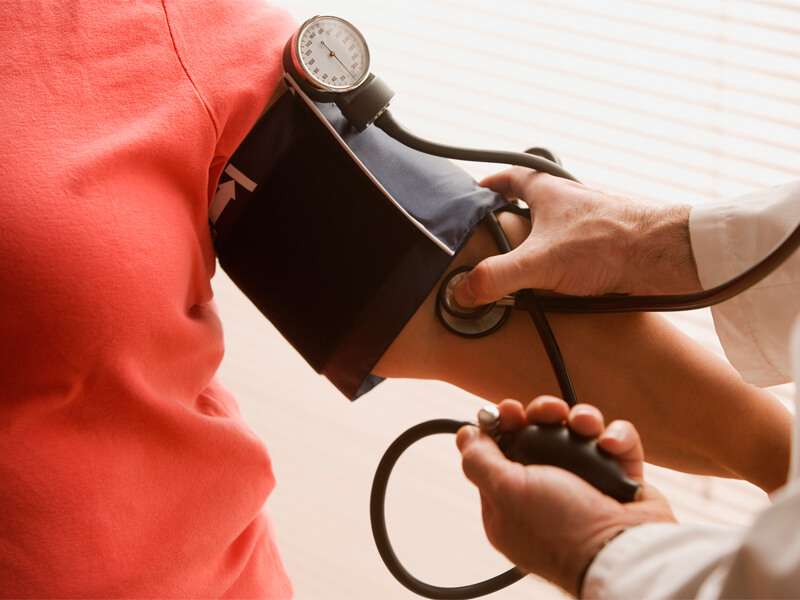
- Diagnosis: A healthcare professional typically measures blood pressure using a sphygmomanometer during visits.
- Treatment options: Lifestyle changes such as a balanced diet and regular exercise are crucial. Medications may also be prescribed to help lower blood pressure effectively.
- Management: Regular monitoring and follow-up appointments are important to adjust treatments as necessary.
- What to expect: With appropriate management strategies, individuals can lead healthy lives while maintaining their blood pressure within normal ranges.
Understanding hypertension and adhering to recommended treatments can greatly reduce the risk of complications like heart disease and stroke.