
Dr Siddharth Shar
About Me
Dr Siddharth Shar
MBBS
Podiatrist
10 Years Experience
Biography
My Clinic
OPD Hours
| Monday | Morning | 10:00 AM | - | 02:00 PM |
| Evening | 06:00 PM | - | 09:00 PM | |
| Tuesday | Morning | 10:00 AM | - | 02:00 PM |
| Evening | 06:00 PM | - | 09:00 PM | |
| Wednesday | Morning | 10:00 AM | - | 02:00 PM |
| Evening | 06:00 PM | - | 09:00 PM | |
| Thursday | Morning | 10:00 AM | - | 02:00 PM |
| Evening | 06:00 PM | - | 09:00 PM | |
| Friday | Morning | 10:00 AM | - | 02:00 PM |
| Evening | 06:00 PM | - | 09:00 PM | |
| Saturday | Morning | 10:00 AM | - | 02:00 PM |
| Evening | 06:00 PM | - | 09:00 PM | |
| Sunday | Morning | 10:00 AM | - | 02:00 PM |
| Evening | 06:00 PM | - | 09:00 PM |
Treatments
Specialised care and treatments offered
MORTON'S NEUROMA
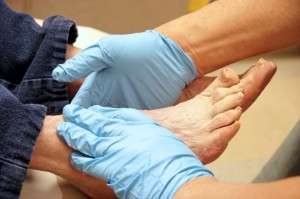
This condition centers around a thickening of nerve tissue between toes—often causing persistent pain predominantly felt between third & fourth digits during activities involving weight bearing upon ball-foot area . Early recognition leads optimal outcomes!
- Primary signs include : Sharp burning sensations prickling ‘pins needles’ feeling radiating towards toes especially post prolonged standing wearing tight footwear option!
- Underlying factors contributing development range from repetitive stress loads impact mismatched shoe sizes poorly been fitted!
- < careful assessments through diagnostics entail examining existing symptoms ruling out alternatives while potentially utilizing ultrasound imaging techniques clarify degree damage surrounding nerves provide insight necessary understanding!
- < focus on managing Morton’s neuroma encompasses changing into supportive cushioning shoes modifying activities reducing excessive forces applied possibly considering corticosteroid injections if needed exacerbated inflamed structures!
Prognosis generally ranges based individual patient adherence follow-up steps tailored specifically restoring original functionality alleviating discomfort allowing enjoy day-to-day tasks once more fully healthy again so consult qualified professionals explore best route moving forward towards healing journey ahead.
BUNIONS (HALLUX VALGUS)
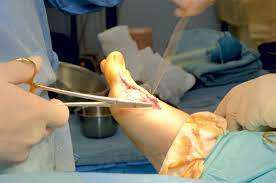
Bunions manifest as painful bony bumps at the base of your big toe that gradually worsen if left unaddressed. They occur when bones in the front part of your foot move out of place due to pressure exerted by footwear choices or structural abnormalities within your foot itself!
- Symptoms : Visible bump near base of big toe; pain swelling at contact points between bunion & shoes ; limited mobility might develop further late down road depending severity.
- Potential risks : Family history plays pivotal role here—as do ill-fitting shoes ! Overpronation while walking can exacerbate situation!
- Diagnostic steps involve : Observing gait patterns alongside physical exams assessing range motion across joints help evaluate degree deformity present too.
- Management solutions available include : Switching types shoes keeping wider toe boxes recommended consider applying cold packs relieve swelling ; physical therapy comes into play sometimes improve overall strength flexibility!
With timely interventions many patients find significant relief though some cases require surgical correction ultimately achieving sustained comfort living free chronic irritation caused bunions!
FUNGAL NAIL INFECTION (ONYCHOMYCOSIS)
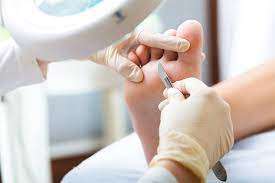
This common condition affects toenails more than fingernails and can lead to discoloration, thickening, and even separation from the nail bed. It's essential to address fungal infections promptly for both health and aesthetics reasons.
- The main symptoms: Nails appear yellowish-brown; they may become brittle or even crumble over time if untreated.
- Your infection could stem from various causes, including exposure in damp communal areas like pools or showers as well as underlying health conditions that weaken nail integrity.
- A proper diagnosis generally involves visual examination complemented by lab tests that confirm fungal presence through nail clippings or cultures.
- Your Treatment options: Antifungal medications—either topical solutions or oral prescriptions—are typical approaches utilized alongside maintaining good foot hygiene practices throughout recovery period too!
Catching a fungal infection early provides a better chance for successful treatment without prolonged complications; consider regular check-ups if concerned about nail health!
FLAT FEET (PES PLANUS)
This condition occurs when the arches of your feet fall flat against the ground when standing. While some people may not experience issues due to flat feet, others may suffer discomfort that affects their daily life.
- The primary symptoms: Pain in the feet or legs and an inability to stand on tiptoes comfortably.
- Potential causes: Genetics plays a significant role; injuries can also contribute to developing flat feet over time.
- A comprehensive diagnosis typically involves physical examinations as well as gait analysis to assess walking patterns.
- Treatment options: May include custom orthotics for better arch support, physical therapy focused on strengthening muscles around the foot and ankle, and in severe cases surgery might be necessary.
- Your expectations post-treatment: Most individuals see improvement with conservative methods but results may vary according to severity and compliance with care recommendations.
If you’re experiencing discomfort related to flat feet, it’s important to seek guidance on appropriate interventions tailored specifically for you.
ACHILLES TENDINITIS
A painful condition affecting the Achilles tendon at the back of the ankle can significantly limit movement. Achilles tendinitis often stems from overuse or strain during activities such as running.
- Common symptoms: Pain along the tendon during activity improves with rest but can worsen over time.
- Possible causes: Repetitive stress from sports or inadequate footwear are major contributors.
- The diagnosis process: A thorough assessment usually includes physical evaluations and sometimes imaging tests to rule out tears or ruptures.
- Management strategies: Initial treatment often involves rest, ice applications, stretching routines, and possibly wearing supportive footwear or orthotic devices.
- Recovery expectations: Gradual improvement is typical; however, full recovery requires patience and compliance with treatment plans.
Maintaining tendon health is vital for active individuals; early intervention improves outcomes significantly.
PLANTAR FASCIITIS
Plantar fasciitis is a common cause of heel pain, often resulting from inflammation of the plantar fascia, a thick band of tissue that runs along the bottom of your foot. It can be particularly bothersome and may affect daily activities.
- Symptoms: Sharp pain in the heel, especially in the morning or after long periods of sitting.
- Causes: Excessive running, obesity, or improper footwear can increase risk.
- Diagnosis: Physical examination and imaging tests like X-rays or MRIs help in assessing the condition.
- Treatment options: Management includes rest, stretching exercises, ice therapy, orthotics, and anti-inflammatory medications.
- What to expect: With proper treatment, most patients experience significant relief within months; however, adherence to prescribed therapies is crucial.
Understanding this condition is essential for effective management and recovery. Consult with a specialist if symptoms persist.