
Dr Siddharth V Dagli
About Me
Dr Siddharth V Dagli
Cardiologist
Biography
My Clinic
OPD Hours
| Tuesday | Morning | 10:00 AM | - | 02:00 PM |
| Evening | 06:00 PM | - | 09:00 PM | |
| Wednesday | Morning | 10:00 AM | - | 02:00 PM |
| Evening | 06:00 PM | - | 09:00 PM | |
| Thursday | Morning | 10:00 AM | - | 02:00 PM |
| Evening | 06:00 PM | - | 09:00 PM | |
| Friday | Morning | 10:00 AM | - | 02:00 PM |
| Evening | 06:00 PM | - | 09:00 PM | |
| Saturday | Morning | 10:00 AM | - | 02:00 PM |
| Evening | 06:00 PM | - | 09:00 PM | |
| Sunday | Morning | 10:00 AM | - | 02:00 PM |
| Evening | 06:00 PM | - | 09:00 PM | |
| Thursday | Morning | 10:00 AM | - | 02:00 PM |
| Evening | 06:00 PM | - | 09:00 PM |
Treatments
Specialised care and treatments offered
ATRIAL FIBRILLATION MANAGEMENT

Atrial fibrillation (AFib) is an irregular heartbeat that can increase the risk of stroke and other complications. Understanding AFib is crucial for effective management and prevention strategies.
- Symptoms vary widely; some may experience palpitations or shortness of breath while others might remain asymptomatic until diagnosed via routine checks .
- Risk factors include age , hypertension , diabetes , and family history .
- Diagnosis typically involves an ECG or Holter monitor to observe periodic irregularities .
- Treatment may consist of medications aimed at controlling the heart rate or rhythm such as beta blockers; anticoagulants might be prescribed depending on stroke risk assessments .
Bearing knowledge about AFib empowers patients towards better adherence with preventive treatments—significantly lowering potential complications over time .
STRESS TESTING
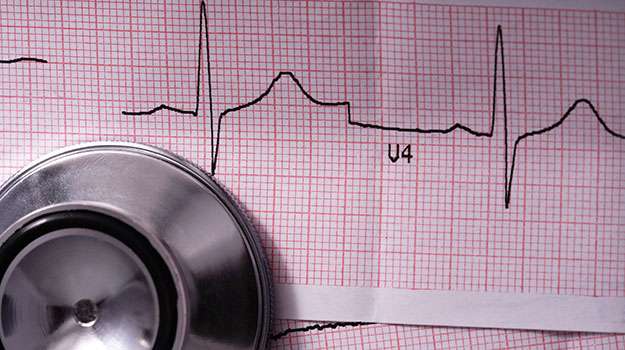
A stress test evaluates how well your heart performs under physical exertion. It's particularly useful for determining if you have coronary artery disease or other underlying conditions affecting your cardiovascular fitness.
- Physical activity during the test increases your heart rate which helps reveal any abnormalities that might not appear when at rest.
- Doctors usually recommend this test if you have chest pain or other symptoms suggestive of heart trouble.
- The procedure typically involves walking on a treadmill or pedaling on a stationary bike while connected to an ECG monitor.
- Results from stress tests help tailor individualized treatment plans based on how your body responds under physical strain.
Undergoing regular stress testing can play an essential role in maintaining optimal cardiac function, especially for those at increased risk for cardiovascular issues.
ELECTROCARDIOGRAM (ECG)
An Electrocardiogram (ECG) is a key diagnostic tool used to measure the electrical activity of the heart. This non-invasive test helps in identifying various cardiac issues early on.
- The test can reveal irregular heart rhythms (arrhythmias), signs of previous heart attacks, or ongoing cardiac distress due to insufficient blood flow.
- The procedure itself involves placing electrodes on the skin's surface which capture electrical signals generated by your heartbeat.
- This quick examination usually takes less than 10 minutes and is painless with no recovery time required afterwards.
- A normal ECG reading indicates a healthy heart rhythm while abnormal results may require further testing or intervention.
An ECG serves as a critical point-of-care tool that aids doctors in diagnosing potential heart conditions effectively and safely.
HEART DISEASE PREVENTION
Preventing heart disease requires an understanding of risk factors and lifestyle choices. It’s essential to take proactive measures against this leading cause of death worldwide.
- Risk factors include smoking, obesity, high blood pressure, diabetes, and high cholesterol levels.
- A comprehensive evaluation by a healthcare provider can assess these risks through questionnaires and diagnostic testing.
- Management strategies may comprise medication for existing conditions as well as promoting a heart-healthy lifestyle through nutrition and exercise plans tailored to individual needs.
- Stress management techniques also play an important role in overall cardiovascular health.
A commitment to prevention can lead not only to reduced incidence but also improved quality of life for individuals at risk of heart disease.
CHOLESTEROL SCREENING
Monitoring your cholesterol levels is critical for heart health. Elevated cholesterol can contribute to the development of plaque in arteries, potentially leading to cardiovascular diseases.
- Factors influencing cholesterol levels include diet, physical activity level, age, and family history.
- A simple blood test can determine levels of LDL (bad cholesterol), HDL (good cholesterol), and triglycerides.
- If levels are elevated, treatment options range from lifestyle changes—such as adopting a healthier diet—to medications like statins.
- Pediatric screenings are increasingly recommended to identify risk factors early on.
- Regular check-ups help track improvements and adjust treatment plans accordingly.
Taking proactive steps in monitoring your cholesterol can significantly lower your risk of heart-related problems in the future.
HYPERTENSION MANAGEMENT
Hypertension, often referred to as high blood pressure, is a common condition that can lead to serious health issues if left unmanaged. It typically doesn't present obvious symptoms, making regular screening essential.
- Common causes include genetics, poor diet, lack of exercise, and chronic stress.
- Diagnosis often involves measuring blood pressure with a sphygmomanometer during routine check-ups.
- Treatment may involve lifestyle modifications such as increased physical activity and dietary changes, along with medications like diuretics or ACE inhibitors.
- Routine monitoring is crucial to keep blood pressure within a healthy range and prevent complications.
- Patients should be educated on recognizing symptoms of dangerously high blood pressure.
Effective management of hypertension is vital for reducing the risk of heart disease and stroke.