
Dr Simandhars
About Me
Dr Simandhars
Cardiologist
Biography
My Clinic
OPD Hours
| Tuesday | Morning | 10:00 AM | - | 02:00 PM |
| Evening | 06:00 PM | - | 09:00 PM | |
| Wednesday | Morning | 10:00 AM | - | 02:00 PM |
| Evening | 06:00 PM | - | 09:00 PM | |
| Thursday | Morning | 10:00 AM | - | 02:00 PM |
| Evening | 06:00 PM | - | 09:00 PM | |
| Friday | Morning | 10:00 AM | - | 02:00 PM |
| Evening | 06:00 PM | - | 09:00 PM | |
| Saturday | Morning | 10:00 AM | - | 02:00 PM |
| Evening | 06:00 PM | - | 09:00 PM | |
| Sunday | Morning | 10:00 AM | - | 02:00 PM |
| Evening | 06:00 PM | - | 09:00 PM | |
| Thursday | Morning | 10:00 AM | - | 02:00 PM |
| Evening | 06:00 PM | - | 09:00 PM |
Treatments
Specialised care and treatments offered
PERIPHERAL ARTERY DISEASE

This circulatory issue occurs when narrowed arteries reduce blood flow to limbs, primarily due to plaque buildup. This can cause leg pain during activities such as walking or climbing stairs.
- The primary symptom includes intermittent claudication—pain or cramping in legs during physical exertion that alleviates at rest.
- Diagnosis commonly involves an ankle-brachial index test alongside vascular ultrasounds for assessing blood flow adequacy.
- Treatment typically focuses on lifestyle alterations along with medications aimed at improving circulation; severe cases might require surgical interventions.
- Regular follow-up appointments are essential not only for monitoring your condition but also for preventing further complications like critical limb ischemia.
Proactive management significantly enhances mobility and reduces risks associated with peripheral artery disease.
CONGESTIVE HEART FAILURE
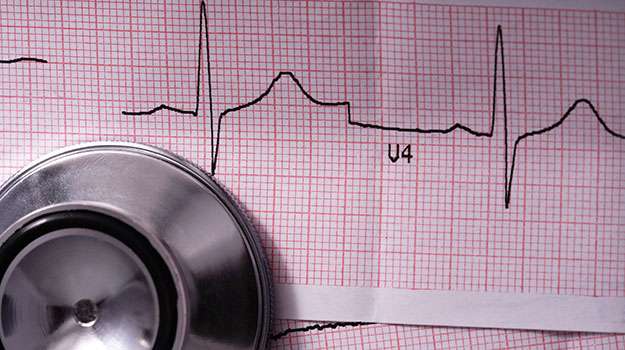
This condition occurs when the heart is unable to pump sufficient blood to meet the body's needs. It often develops after other conditions have weakened the heart muscle over time.
- Key symptoms include persistent coughing, wheezing, and feeling fatigued even with minimal exertion.
- A comprehensive evaluation might require imaging studies like echocardiograms alongside lab tests for effective diagnosis.
- Treatment generally involves managing underlying causes through diuretics and lifestyle adaptations to alleviate strain on your heart function.
- Your healthcare provider will work with you on long-term management strategies focused on improving overall quality of life while monitoring your progress closely through follow-ups.
Early intervention plays a vital role in enhancing prognosis and managing symptoms related to this condition.
HYPERTENSION
High blood pressure or hypertension often goes unnoticed but is a significant risk factor for more severe cardiovascular diseases. It strains your heart and damages blood vessels over time.
- Main signs are often absent initially, but headaches or visual changes can occur with elevated levels.
- An accurate diagnosis is usually made during routine check-ups using a sphygmomanometer to measure blood pressure readings.
- Lifestyle modifications along with medications such as ACE inhibitors may be prescribed for control and management of hypertension.
- Your treatment plan will likely include regular monitoring and adjustments as necessary to maintain optimal health levels.
Lifestyle changes combined with proper medical care can effectively control high blood pressure levels over time.
HEART VALVE DISORDERS
This refers to any dysfunction of heart valves, affecting blood flow within the heart. Valves may become narrowed (stenosis) or fail to close properly (regurgitation).
- You might notice symptoms like shortness of breath, swelling in legs, or unusual fatigue.
- Your doctor can perform ultrasound imaging (echocardiogram) for accurate diagnosis.
- Treatment options vary from medications to surgical interventions like valve repair or replacement based on severity.
- You will be monitored closely for changes in symptoms post-diagnosis to ensure optimal management.
Effective treatment can significantly improve quality of life for those affected by valve disorders.
ATRIAL FIBRILLATION
Atrial fibrillation (AFib) is an irregular heartbeat that can lead to various complications. It occurs when the electrical signals in the heart become disorganized.
- Common symptoms include palpitations, dizziness, and increased fatigue.
- Diagnosis typically includes a physical exam coupled with an ECG.
- Management strategies may comprise medications like anticoagulants or procedures such as catheter ablation.
- This condition requires ongoing management to prevent stroke and maintain heart rhythm stability.
Catching AFib early is crucial for effective treatment and improved outcomes.
CORONARY ARTERY DISEASE
This condition arises when the coronary arteries become narrowed or blocked, reducing blood flow to the heart. It is often caused by atherosclerosis, where fatty deposits build up in the artery walls.
- Symptoms can include chest pain, shortness of breath, and fatigue.
- Diagnosis often involves an electrocardiogram (ECG), stress tests, or coronary angiography.
- Treatment may involve lifestyle changes, medications like statins and beta-blockers, or surgical options such as angioplasty.
- You can expect regular follow-ups to monitor your heart health if diagnosed with this condition.
Timely intervention can help manage symptoms and improve quality of life significantly.