
Dr Simple Aher
About Me
Dr Simple Aher
Dermatologist
Biography
My Clinic
OPD Hours
| Tuesday | Morning | 10:00 AM | - | 02:00 PM |
| Evening | 06:00 PM | - | 09:00 PM | |
| Wednesday | Morning | 10:00 AM | - | 02:00 PM |
| Evening | 06:00 PM | - | 09:00 PM | |
| Thursday | Morning | 10:00 AM | - | 02:00 PM |
| Evening | 06:00 PM | - | 09:00 PM | |
| Friday | Morning | 10:00 AM | - | 02:00 PM |
| Evening | 06:00 PM | - | 09:00 PM | |
| Saturday | Morning | 10:00 AM | - | 02:00 PM |
| Evening | 06:00 PM | - | 09:00 PM | |
| Sunday | Morning | 10:00 AM | - | 02:00 PM |
| Evening | 06:00 PM | - | 09:00 PM | |
| Thursday | Morning | 10:00 AM | - | 02:00 PM |
| Evening | 06:00 PM | - | 09:00 PM |
Treatments
Specialised care and treatments offered
ROSACEA
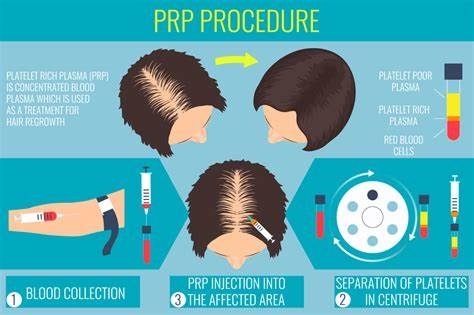
This chronic inflammatory condition is characterized by facial redness and visible blood vessels primarily affecting adults. It's often mistaken for acne due to some shared symptoms but has distinct triggers.
- Commonly observed symptoms [/ strong ] include flushing episodes , persistent redness across central face along cheeks , forehead area sometimes featuring small bumps similar resembling pimples without associated blackheads present too .
- Identifying specific environmental triggers such as hot beverages , spicy foods & extreme temperature changes plays critical role clarifying source irritations leading flare-ups occurring fluctuating intensity frequently throughout day weeks eventually chronic state if left untreated .
- Importantly diagnosis relies heavily upon observing typical manifestations confirmed through consulting experienced dermatologists familiar assessing outline unique characteristics distinguishing rosacea from others ] disorders diagnosed correctly avoiding mistreatment possible complications later stages developing consequences involving significant discomforts emotional distress figured experiencing “the social embarrassment.”
HYPERPIGMENTATION
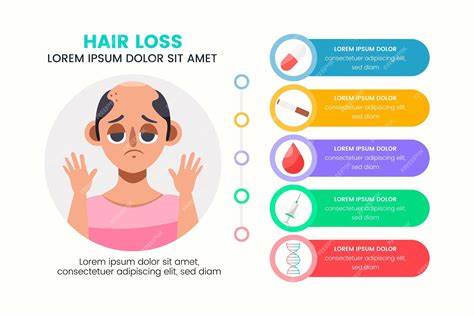
This term refers to darkened areas of the skin resulting from excess melanin production. Such changes often arise from sun exposure, hormonal fluctuations, or injury healing processes.
- Symptoms may manifest as dark spots or uneven skin tone primarily affecting sun-exposed regions like the face , neck , hands .
- Common underlying causes include prolonged sun exposure , hormonal shifts seen during pregnancy (melasma) & aging effects .
- Diagnosis typically involves clinical assessment alongside potential biopsies if necessary to rule out other conditions .
- Treatment protocol could involve topical agents (hydroquinone) , chemical peels procedures aiming at fading discoloration gradually over time .
- Consistent sunscreen use strengthens protective efforts against future pigmentation troubles & preserves results achieved via treatments leading towards healthier complexion overall .
Those experiencing hyperpigmentation find tailored interventions beneficial ; collaboration with professionals yields personalized recommendations suited best for individual concerns .
SKIN CANCER SCREENING
Regular screening for skin cancer plays an essential role in early detection and treatment success. It allows individuals to monitor changes in their skin that could indicate malignancy.
- The key symptoms of concern include new growths or changes to existing moles—such as irregular borders or color variations—that warrant further evaluation.
- The most prevalent type of skin cancer screens through visual inspection during dermatological evaluations; biopsies are performed if abnormalities are found.
- Management strategies depend on the type of cancer but can include surgical removal or topical chemotherapy treatments depending on stage .
- Early intervention tends to yield much higher success rates making screenings critically important .
Regular consultations with a dermatologist ensure good outcomes while also educating patients about potential risks associated with UV exposure .
PSORIASIS
Psoariasis is an autoimmune disorder that leads to rapid skin cell multiplication, resulting in thickened plaques on the skin's surface. This often causes discomfort due to itching or burning sensations.
- The main symptoms include red patches covered with thick silver scales that may crack or bleed.
- This condition can be triggered by factors such as stress, environmental conditions, or infections which can exacerbate its severity.
- A dermatologist will conduct a thorough physical examination to effectively diagnose psoriasis based on its visual presentation.
- Treatment options vary from topical therapies to systemic medications aimed at reducing inflammation and slowing down cell turnover rates.
- A comprehensive management plan helps in significantly improving patients' overall well-being over time.
Psoariasis is not contagious; understanding this fact is vital for those affected by it as they seek effective treatment options alongside supportive care.
ECZEMA
Eczema is a chronic inflammatory skin condition characterized by itchy and dry patches. Its onset often begins in childhood but can persist into adulthood.
- This condition manifests with symptoms like redness, swelling, and irritation on affected areas.
- The exact causes remain unclear but may involve genetics and environmental triggers.
- A dermatologist can diagnose eczema based on the patient’s medical history and an examination of the skin’s appearance.
- Treatments may include topical corticosteroids, moisturizers, and immunomodulators to reduce inflammation.
- Coping strategies alongside treatment can help in managing flare-ups effectively.
Eczema requires ongoing care; working closely with a specialist ensures better control over symptoms and quality of life.
ACNE
Acne is a common skin condition that affects many individuals, particularly during adolescence. It occurs when hair follicles become clogged with oil and dead skin cells.
- Symptoms include pimples, blackheads, and cysts, usually appearing on the face, back, and shoulders.
- The primary causes are hormonal changes, excess oil production, and bacteria.
- A dermatologist typically diagnoses acne through a physical examination of the skin.
- Treatment options range from topical medications and oral antibiotics to laser therapy and hormone treatments.
- Patients can expect gradual improvement in their skin condition with consistent treatment adherence.
Understanding acne is essential for effective management. Consultation with a dermatologist is advised for personalized care strategies.
FAQs
What does a typical skincare routine look like?
- Cleansing: Use gentle products suitable for your skin type;