
Dr SK Agarwal
About Me
Dr SK Agarwal
MS
Orthopaedic Surgeons
10 Years Experience
Biography
My Clinic
OPD Hours
| Monday | Morning | 10:00 AM | - | 02:00 PM |
| Evening | 06:00 PM | - | 09:00 PM | |
| Tuesday | Morning | 10:00 AM | - | 02:00 PM |
| Evening | 06:00 PM | - | 09:00 PM | |
| Wednesday | Morning | 10:00 AM | - | 02:00 PM |
| Evening | 06:00 PM | - | 09:00 PM | |
| Thursday | Morning | 10:00 AM | - | 02:00 PM |
| Evening | 06:00 PM | - | 09:00 PM | |
| Friday | Morning | 10:00 AM | - | 02:00 PM |
| Evening | 06:00 PM | - | 09:00 PM | |
| Saturday | Morning | 10:00 AM | - | 02:00 PM |
| Evening | 06:00 PM | - | 09:00 PM | |
| Sunday | Morning | 10:00 AM | - | 02:00 PM |
| Evening | 06:00 PM | - | 09:00 PM |
Treatments
Specialised care and treatments offered
FRACTURE CARE AND REHABILITATION
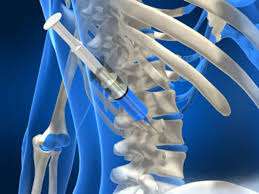
Bones can fracture due to trauma ranging from minor falls to severe accidents. Proper treatment aims at aligning bone fragments facilitating natural healing while minimizing complications.
A coordinated multidisciplinary approach ensures optimal bone healing facilitating return of functional independence post-injury?
CHRONIC BACK PAIN MANAGEMENT

Persistent back pain often arises from various causes including degenerative disc disease or spinal stenosis. Effective treatment targets symptom relief while addressing underlying triggers where possible.
A tailored plan using both conservative therapies alongside patient education forms cornerstone for managing chronic back conditions successfully?
ANTERIOR CRUCIATE LIGAMENT (ACL) RECONSTRUCTION

The ACL is a critical ligament providing knee stability during pivoting movements. Injuries often occur in sports causing instability that can affect mobility long term if untreated properly.
- The Main cause is sudden twisting or hyperextension of the knee during vigorous activity;
- The patient may experience a popping sound followed by swelling, pain inside the knee joint;
- The diagnosis involves physical tests like Lachman test along with MRI scans which confirm ligament tear extent;
CARPAL TUNNEL SYNDROME TREATMENT

This condition arises when the median nerve is compressed at the wrist leading to numbness, tingling, or weakness in the hand. It commonly affects people performing repetitive hand activities.
- Symptoms: numbness or burning sensations in thumb and fingers especially at night; decreased grip strength;
- Causes: repetitive wrist motions, wrist anatomy differences, inflammatory conditions such as rheumatoid arthritis;
- Diagnosis: based on clinical signs confirmed via nerve conduction studies that assess nerve function across the carpal tunnel;
- Treatment options: conservative care includes wrist splints worn at night, activity modification, anti-inflammatory drugs; severe cases might need corticosteroid injections or surgical decompression releasing pressure;
- Prognosis: early management typically results in symptom resolution without permanent nerve damage;
A comprehensive approach combining lifestyle changes with medical interventions helps preserve hand dexterity for daily tasks effectively over time.
ROTATOR CUFF TEAR REPAIR

The rotator cuff comprises muscles and tendons that stabilize the shoulder. Tears in this area can cause significant pain and limit arm movements. Early detection improves outcomes significantly.
- Causes include repetitive overhead activity, trauma, or degeneration with age leading to tears in tendon fibers.
- Symptoms: shoulder pain exacerbated by lifting or reaching overhead and weakness during arm elevation or rotation.
- Diagnosis: includes physical orthopedic exams and imaging studies like ultrasound or MRI to visualize tendon damage extent.
- Treatments: start conservatively with rest, physical therapy focusing on strengthening surrounding muscles; surgical intervention may be recommended for large or persistent tears using minimally invasive arthroscopic techniques for repair.
- Recovery expectations: post-surgical rehabilitation involves gradual mobilization exercises over several months to regain strength and range of motion.
Prompt attention helps restore shoulder function effectively while minimizing long-term disability associated with rotator cuff injuries.
OSTEOARTHRITIS MANAGEMENT

Osteoarthritis is a common joint disorder caused by the gradual breakdown of cartilage, often affecting knees, hips, and hands. It leads to persistent discomfort and restricted movement.
- Symptoms include joint pain, stiffness especially after inactivity, swelling, and reduced flexibility.
- Causes involve aging, joint injury history, repetitive stress on joints, obesity, and genetic predisposition.
- Diagnosis is typically through clinical evaluation supported by X-rays or MRI to assess cartilage damage and joint space narrowing.
- Treatment options range from non-surgical methods such as physical therapy, weight management, anti-inflammatory medications to advanced interventions like corticosteroid injections or joint replacement surgery in severe cases.
- Expectations focus on symptom relief and improving function; while progression cannot be fully reversed, many patients achieve a good quality of life with consistent care.
Understanding osteoarthritis allows patients to better manage their symptoms through lifestyle adjustments combined with appropriate medical treatments tailored to disease severity.