
Dr SK Jain
About Me
Dr SK Jain
MD
Neurologist
10 Years Experience
Biography
My Clinic
OPD Hours
| Monday | Morning | 10:00 AM | - | 02:00 PM |
| Evening | 06:00 PM | - | 09:00 PM | |
| Tuesday | Morning | 10:00 AM | - | 02:00 PM |
| Evening | 06:00 PM | - | 09:00 PM | |
| Wednesday | Morning | 10:00 AM | - | 02:00 PM |
| Evening | 06:00 PM | - | 09:00 PM | |
| Thursday | Morning | 10:00 AM | - | 02:00 PM |
| Evening | 06:00 PM | - | 09:00 PM | |
| Friday | Morning | 10:00 AM | - | 02:00 PM |
| Evening | 06:00 PM | - | 09:00 PM | |
| Saturday | Morning | 10:00 AM | - | 02:00 PM |
| Evening | 06:00 PM | - | 09:00 PM | |
| Sunday | Morning | 10:00 AM | - | 02:00 PM |
| Evening | 06:00 PM | - | 09:00 PM |
Treatments
Specialised care and treatments offered
EPILEPSY
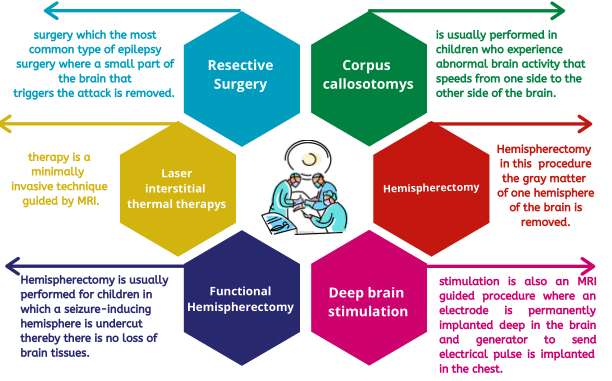
Epilepsy is a neurological disorder characterized by recurrent seizures caused by abnormal electrical activity in the brain. This condition affects people of all ages but often begins in childhood or adolescence.
- Symptoms: Symptoms vary widely but commonly involve convulsions or episodes of unusual behavior or sensations. Some individuals may experience loss of consciousness during seizures.
- Causes: Seizures can arise from various causes including head injuries, genetics predispositions to seizure disorders or structural issues within the brain itself.
MULTIPLE SCLEROSIS (MS)

Multiple sclerosis is an autoimmune disease that affects the central nervous system by attacking the protective covering of nerve fibers. This disruption leads to communication problems between the brain and rest of the body.
- Symptoms: Common symptoms include fatigue, difficulty walking, numbness or tingling in limbs, muscle weakness, vision problems, and cognitive changes.
- Causes: The exact cause remains unclear but it is thought to involve a combination of genetic predisposition and environmental factors such as viral infections.
- Diagnosis: A diagnosis often includes neurologic examinations along with magnetic resonance imaging (MRI) scans that reveal lesions in the central nervous system.
- Treatment options: Management strategies focus on slowing disease progression using disease-modifying therapies (DMTs), corticosteroids for flare-ups, rehabilitation programs for improved mobility and function.
A personalized treatment approach can significantly improve quality of life for those living with MS. Early intervention offers better outcomes over time.
ALZHEIMER'S DISEASE
Alzheimer's disease is a progressive neurological disorder that affects memory and cognitive functions. It is the most common cause of dementia among older adults and has significant impacts on daily living.
- Symptoms: Early signs include forgetfulness and difficulty with problem-solving. As it advances, individuals may experience confusion about time or place, changes in mood or behavior, and difficulty recognizing loved ones.
- Causes: The exact cause is not fully understood but involves a combination of genetic factors, lifestyle influences, and environmental factors that impact brain health over time.
- Diagnosis: Diagnosis typically involves comprehensive evaluations including medical history reviews, cognitive tests, neurological exams, and imaging studies like MRI scans to identify brain changes.
- Treatment options: While there is no cure for Alzheimer's yet, treatments focus on managing symptoms through medications such as cholinesterase inhibitors and lifestyle interventions like physical activity and social engagement.
Maintaining mental health through regular check-ups can help manage Alzheimer's disease better. Support systems are essential for both patients and families.
MIGRAINE
Migraines are severe, often debilitating headaches that can last for hours or even days. They are more than just a headache; they may be accompanied by nausea, vomiting, and extreme sensitivity to light and sound.
- Symptoms: Common symptoms include throbbing pain on one side of the head, pulsating sensations, and visual disturbances such as flashing lights.
- Causes: Triggers can vary widely, including hormonal changes, certain foods, stress, and environmental factors.
- Diagnosis: A healthcare professional usually diagnoses migraines based on medical history and symptom description. Imaging tests may be used to rule out other conditions.
- Treatment options: Management strategies may include over-the-counter pain relievers, prescription medications, lifestyle changes, and preventive treatments like beta-blockers or antidepressants.
- What to expect: With proper management, individuals can reduce the frequency and severity of migraine attacks significantly. It's important to work closely with your healthcare provider to develop an effective plan.
Understanding migraines is crucial in managing them effectively. Early intervention and lifestyle adjustments can greatly enhance quality of life.