
Dr SK Jha
About Me
Dr SK Jha
MBBS
General Physician
10 Years Experience
Biography
My Clinic
OPD Hours
| Monday | Morning | 10:00 AM | - | 02:00 PM |
| Evening | 06:00 PM | - | 09:00 PM | |
| Tuesday | Morning | 10:00 AM | - | 02:00 PM |
| Evening | 06:00 PM | - | 09:00 PM | |
| Wednesday | Morning | 10:00 AM | - | 02:00 PM |
| Evening | 06:00 PM | - | 09:00 PM | |
| Thursday | Morning | 10:00 AM | - | 02:00 PM |
| Evening | 06:00 PM | - | 09:00 PM | |
| Friday | Morning | 10:00 AM | - | 02:00 PM |
| Evening | 06:00 PM | - | 09:00 PM | |
| Saturday | Morning | 10:00 AM | - | 02:00 PM |
| Evening | 06:00 PM | - | 09:00 PM | |
| Sunday | Morning | 10:00 AM | - | 02:00 PM |
| Evening | 06:00 PM | - | 09:00 PM |
Treatments
Specialised care and treatments offered
HEART DISEASE RISK ASSESSMENTS
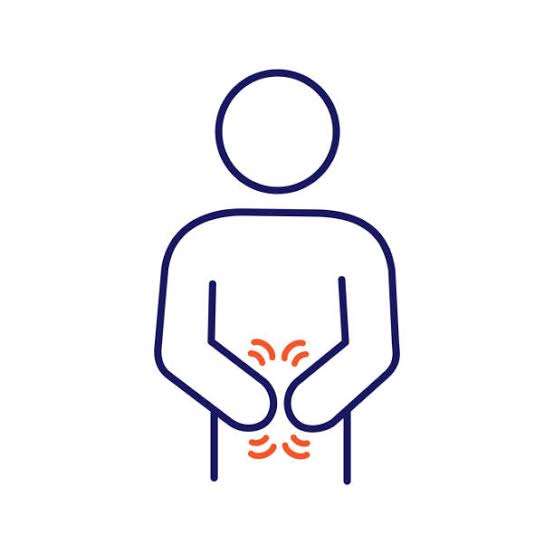
A comprehensive assessment promotes a proactive approach against cardiovascular risks . Consistent evaluations from experts ensure constructive insights into personal heart health .
.WEIGHT MANAGEMENT COUNSELING

Mantaining a healthy weight is crucial for overall well-being. Weight management counseling offers guidance tailored to individual needs regarding healthy lifestyles
.- Benefit: Individualized plans focus on achievable goals
- Elements: Effective counseling involves nutrition education along with exercise recommendations
- Behavior Modification: Behavioral strategies enhance long-term adherence to healthy habits
- Monitoring Progress: Regular follow-ups allow assessment on progress made towards goals
The journey towards weight management starts with informative counseling sessions supporting continued success while improving quality of life throughout changing years}
.ANNUAL HEALTH CHECK-UPS
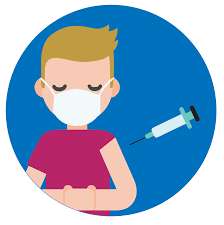
An annual health check-up is an essential part of preventive healthcare that allows for early detection of potential health issues before they develop into serious conditions.
- Purpose: Regular check-ups help monitor overall health status and identify risk factors associated with chronic diseases like diabetes or heart disease.
- Evident Benefits: They provide opportunities for vaccination updates and screenings tailored to an individual's age and health history.
RESPIRATORY INFECTIONS CARE
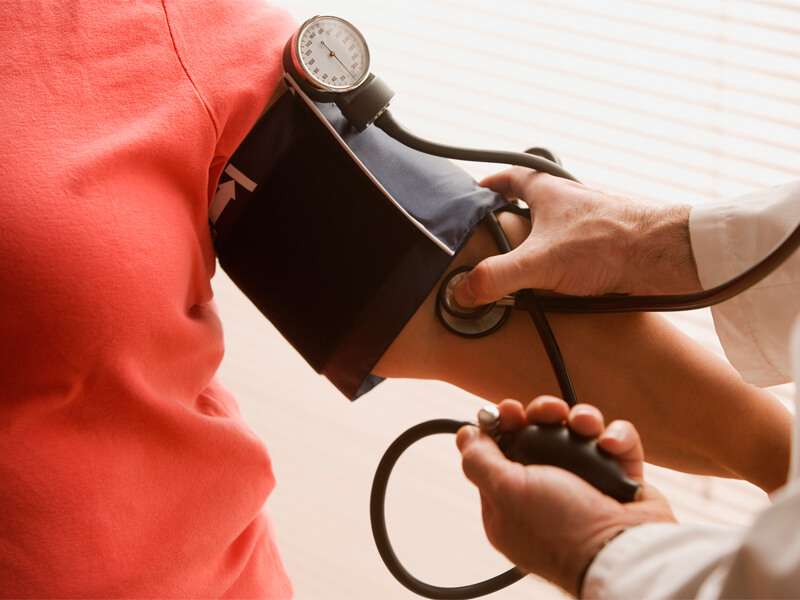
Respiratory infections affect the airways and lungs and can range from mild colds to severe pneumonia. Prompt evaluation is essential to determine the best course of action for recovery.
- Common Symptoms: Symptoms often include cough, sore throat, fever, fatigue, and difficulty breathing in more severe cases.
- Causative Agents: These infections are generally caused by viruses or bacteria; understanding the origin aids in treatment selection.
- Your Diagnosis: A thorough physical examination along with chest X-rays or sputum tests can aid in confirming the diagnosis type.
- Treatment Options: Depending on the cause severity, treatments may include rest, hydration, antibiotics (for bacterial causes), or antiviral medications (for viral infections).
Timely medical intervention can significantly improve outcomes for those afflicted with respiratory infections.
DIABETES SCREENING AND MANAGEMENT

Diabetes is a chronic condition that arises when the body cannot effectively regulate blood sugar levels. It's crucial to identify it early for effective management and prevention of complications.
- Symptoms: Common signs include increased thirst, frequent urination, fatigue, and blurred vision.
- Screening Tests: Fasting glucose tests or A1C tests are typically used to diagnose diabetes by measuring blood sugar levels over time.
- Treatment Approaches: Managing diabetes often requires dietary adjustments, regular physical activity, monitoring blood glucose levels, and possibly insulin therapy or oral medications.
- Lifestyle Changes: Incorporating healthy eating habits and maintaining a balanced lifestyle plays a significant role in managing this condition effectively.
A comprehensive approach ensures better control of diabetes and minimizes the risk of further health complications.
HYPERTENSION MANAGEMENT
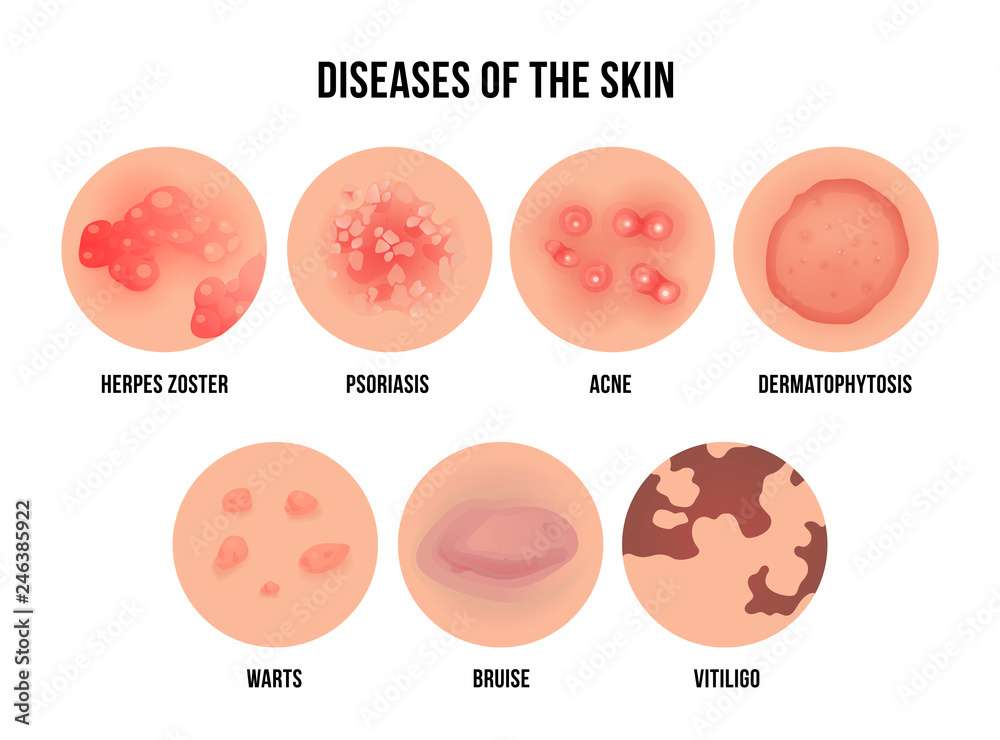
Hypertension, commonly known as high blood pressure, is a prevalent condition that can lead to severe health issues if left unmanaged. It often goes unnoticed because it typically has no symptoms in its early stages.
- Symptoms: Many individuals may not experience symptoms, but when they do occur, they can include headaches, dizziness, and shortness of breath.
- Causes: Factors contributing to hypertension include genetics, poor diet, lack of physical activity, and excessive alcohol consumption.
- Diagnosis: Blood pressure is measured using a sphygmomanometer. Multiple readings taken over time help confirm the diagnosis.
- Treatment Options: Management strategies may involve lifestyle changes like improved diet and exercise or medications such as ACE inhibitors or beta-blockers.
- Regular Monitoring: Continuous tracking of blood pressure is crucial for effective management; patients should routinely check their levels at home or visit their healthcare provider.
With appropriate care and monitoring, individuals can control their blood pressure effectively and reduce risks of complications such as heart disease or stroke.