
Dr Sk Mangia
About Me
Dr Sk Mangia
MD
Dermatologist
Biography
My Clinic
OPD Hours
| Monday | Morning | 10:00 AM | - | 02:00 PM |
| Evening | 06:00 PM | - | 09:00 PM | |
| Tuesday | Morning | 10:00 AM | - | 02:00 PM |
| Evening | 06:00 PM | - | 09:00 PM | |
| Wednesday | Morning | 10:00 AM | - | 02:00 PM |
| Evening | 06:00 PM | - | 09:00 PM | |
| Thursday | Morning | 10:00 AM | - | 02:00 PM |
| Evening | 06:00 PM | - | 09:00 PM | |
| Friday | Morning | 10:00 AM | - | 02:00 PM |
| Evening | 06:00 PM | - | 09:00 PM | |
| Saturday | Morning | 10:00 AM | - | 02:00 PM |
| Evening | 06:00 PM | - | 09:00 PM | |
| Sunday | Morning | 10:00 AM | - | 02:00 PM |
| Evening | 06:00 PM | - | 09:00 PM |
Treatments
Specialised care and treatments offered
SKIN ALLERGIES
Skin allergies represent an adverse reaction where immune responses trigger inflammation upon contact with allergens such as specific substances present widely around us including certain chemicals or materials used daily!
- < l i >< s trong > Symptoms < / s trong > : Reactions often surface manifesting rashes , hives ,itches indicating body's sensitivity towards specific agents encountered throughout day-to-day activities either immediately post-exposure meanwhile sometimes delayed encountering later !< / l i < l i >< s trong > Causes < / s trong > : Common causes involve ingredients found cosmetic products,rubber latex often prevalent among many items widely utilized !< / l i < l i >< s trong > Diagnosis < / s trong > : A physician assesses patient history followed by potential application of patch testing determining exact allergen perpetrating reactions accordingly !< / l i < l i >< s trong > Treatment opt ions < / s tr ong > : Antihistamines prescribed ease itching followed corticosteroids aid healing process ensuring reduced redness around affected sites swiftly noticeable improving comfort levels experienced overall!< / l i < l i >>> What t o e xp ect : Avoiding known allergens remains crucial preventing future outbreaks consideration making regular follow-ups essential monitoring developments effectively dealing conditions arising recurrently impact lives negatively if neglected persistently!
HYPERPIGMENTATION
Hyperpigmentation refers to darkened areas of skin caused by excess melanin production. This condition can affect small patches or large areas across various body regions depending upon underlying causes .
- Symptoms : The most obvious sign includes spots that appear darker than surrounding healthy tissue ; such spots are oftentimes benign yet concern individuals mainly due aesthetic reasons .
- Causes : Factors contributing include sun exposure leading towards sun spots,family history / genetic predisposition alongside medication reactions following chemical exposure hence accumulation observed over time .
- Diagnosis : A thorough assessment done through physical examination examines aspects like duration / appearance variant making diagnosis possible whilst ruling out serious conditions behind alterations noted . < / li < li < s trong > Tr eat men t opt ions < / s tro ng > : Treatments vary broadly including topical lightening agents , chemical peels,and laser treatments designed specifically targeting pigment cells present within dermal layers . < / l i < l i < s trong > Wha t t o e xp ect < / s tro ng > : Depending upon method chosen,some improvement might be seen only after multiple sessions while commitment towards regimen ensures lasting outcomes achievable gradually!< / l i >
This understanding allows patients make informed choices about how best address their concerns safely !
ROSACEA
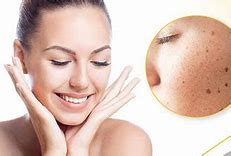
Rosacea is a chronic facial skin disorder leading to redness primarily affecting the central part of the face. It often begins with flushes or blushing easily before leading to persistent symptoms.
PSORIASIS
Psoriasis is a chronic autoimmune condition characterized by rapid skin cell proliferation resulting in thickened patches on the skin. These patches can be itchy or painful.
- Symptoms: Typical symptoms include red patches covered with thick silvery scales which can occur anywhere on the body but are most common on elbows, knees, scalp, and lower back.
- Causes: Factors such as genetics, immune system dysfunctions, environmental triggers like stress or injury may exacerbate psoriasis symptoms.
- Diagnosis: Skin biopsy may sometimes be needed for confirmation alongside visual assessments by the dermatologist.
- Treatment options: Treatment typically entails topical therapies for mild cases or systemic medications for more severe cases. Light therapy is another effective option for managing flare-ups.
- What to expect: While psoriasis is chronic and fluctuates in severity over time, many effective treatment options exist that help manage symptoms significantly.
This knowledge empowers patients to actively engage in their care plans for better quality of life.
ECZEMA
Eczema is an inflammatory skin condition characterized by dry, itchy patches on the skin. It can appear anywhere on the body but commonly affects areas like the elbows and knees.
- Symptoms: Symptoms primarily include intense itching along with redness and dryness in affected areas.
- Causes: Eczema can be triggered by allergens, irritants, climate changes, and stress.
- Diagnosis: A dermatologist conducts a thorough examination of symptoms along with a review of family history to diagnose eczema accurately.
- Treatment options: Treatment often involves topical corticosteroids to reduce inflammation as well as moisturizers to alleviate dryness. Antihistamines may also help with itching.
- What to expect: With proper care management strategies can lead to significant improvement and flare-up reduction over time.
A comprehensive approach helps individuals regain comfortable skin while minimizing flare-ups effectively.
ACNE
Acne is a common skin condition that affects individuals of all ages, particularly teenagers and young adults. It occurs when hair follicles become clogged with oil and dead skin cells, leading to the formation of pimples, blackheads, and cysts.
- Symptoms: Acne can manifest as various types of lesions including comedones (blackheads and whiteheads), papules, pustules, and deeper cystic formations.
- Causes: Factors such as hormonal changes, excessive oil production, bacteria, and diet contribute to acne's development.
- Diagnosis: A dermatologist typically diagnoses acne through a visual examination of the skin and discussing the patient’s medical history.
- Treatment options: Management may include topical retinoids, benzoyl peroxide gels, oral antibiotics, or hormonal therapies.
- What to expect: While treatment may take several weeks to show results, a consistent regimen greatly improves outcomes and reduces scarring potential.
Understanding this condition empowers individuals to take proactive steps in managing it effectively.