
Dr SK Sharma
About Me
Dr SK Sharma
MBBS
General Physician
10 Years Experience
Biography
My Clinic
OPD Hours
| Monday | Morning | 10:00 AM | - | 02:00 PM |
| Evening | 06:00 PM | - | 09:00 PM | |
| Tuesday | Morning | 10:00 AM | - | 02:00 PM |
| Evening | 06:00 PM | - | 09:00 PM | |
| Wednesday | Morning | 10:00 AM | - | 02:00 PM |
| Evening | 06:00 PM | - | 09:00 PM | |
| Thursday | Morning | 10:00 AM | - | 02:00 PM |
| Evening | 06:00 PM | - | 09:00 PM | |
| Friday | Morning | 10:00 AM | - | 02:00 PM |
| Evening | 06:00 PM | - | 09:00 PM | |
| Saturday | Morning | 10:00 AM | - | 02:00 PM |
| Evening | 06:00 PM | - | 09:00 PM | |
| Sunday | Morning | 10:00 AM | - | 02:00 PM |
| Evening | 06:00 PM | - | 09:00 PM |
Treatments
Specialised care and treatments offered
ALLERGIC REACTIONS
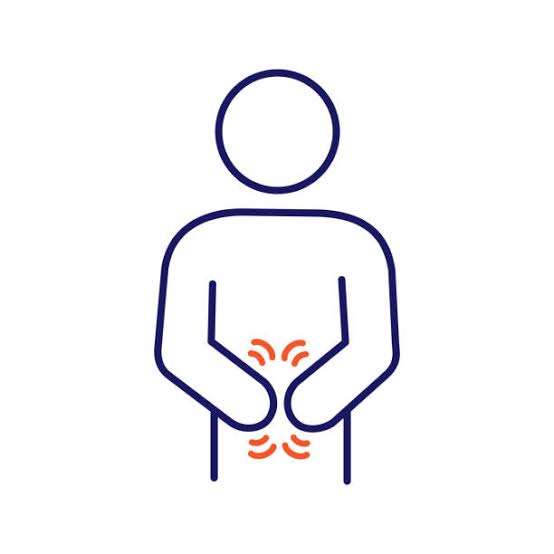
An allergic reaction occurs when the immune system responds aggressively to substances known as allergens. These reactions can range from mild localized responses to severe anaphylaxis which requires urgent medical attention.
- Symptoms : Patients may present with hives , itching , swelling , nasal congestion , along with gastrointestinal disturbances ;
- Causes : Allergens include foods (e.g., nuts), insect stings , pollen,dust mites among others ;
- Diagnosis : An accurate history alongside allergy testing identifies potential triggers ;
- Treatment options : Antihistamines alleviate mild symptoms while epinephrine auto-injectors provide emergency relief during anaphylactic episodes ;
The importance of recognizing triggers cannot be overstated . Always seek assistance if uncertain regarding management strategies ! Knowledge + preparedness save lives!!
ASTHMA EXACERBATION

An asthma exacerbation occurs when asthma symptoms worsen significantly due to various triggers including allergens or respiratory infections. Managing this condition effectively can help improve quality of life.
- Symptoms : Increased wheezing, shortness of breath, chest tightness or pain are common complaints.;
- Triggers : Common triggers include pollen, dust mites , pets , exercise,and cold air.;
- Diagnosis : Evaluation includes lung function tests such as spirometry alongside patient-reported symptoms.;
- Treatment strategies : Quick-relief inhalers provide immediate symptom control while long-term control medications help manage underlying inflammation.;
This exacerbation should prompt immediate consultation with a physician experienced in treating asthma conditions ! Timely interventions make all the difference!
GASTROENTERITIS

Gastroenteritis refers to inflammation of the stomach and intestines leading to diarrhea and vomiting. It can arise from infections caused by viruses or bacteria.
- Symptoms: Patients typically experience watery diarrhea, abdominal cramps, nausea or vomiting, fever, and sometimes headaches;
ACUTE BRONCHITIS
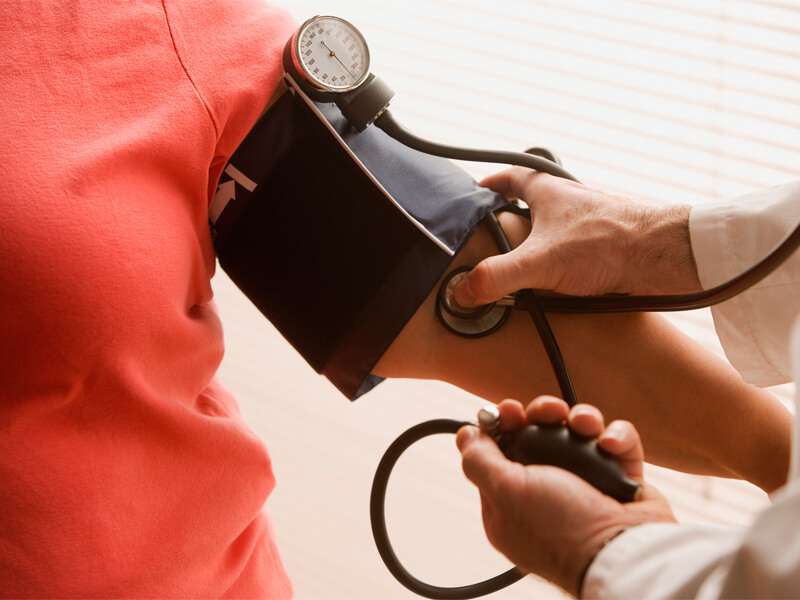
Acute bronchitis is an inflammation of the bronchial tubes that results in cough and mucus production. It's usually caused by viral infections but can also be due to irritants like smoke.
- Symptoms: The most common symptom is a persistent cough that may produce colored mucus. Other signs include chest discomfort and mild fever.
- Causes: Respiratory infections are the leading cause; exposure to pollutants or allergens can also trigger the condition.
- Diagnosis: A physical examination along with patient history is typically sufficient; additional tests might be conducted if pneumonia is suspected.
- Treatment options: Most cases resolve on their own; supportive care includes rest, fluids, over-the-counter medications for cough relief, and sometimes bronchodilators may be prescribed.
If you suspect you have acute bronchitis, it’s essential to consult a healthcare provider for appropriate care measures. Recovery typically involves rest and symptomatic relief!
DIABETES MELLITUS
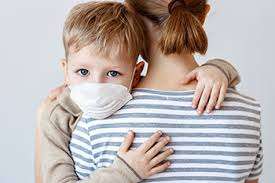
Diabetes mellitus is a chronic condition characterized by elevated blood sugar levels due to insufficient insulin production or resistance to insulin's effects. Understanding diabetes is vital for effective management.
- Symptoms: Common symptoms include excessive thirst, frequent urination, extreme fatigue, blurred vision, and slow-healing wounds.
- Causes: The primary types include Type 1 (autoimmune response) and Type 2 (lifestyle factors), with genetics also playing a role in development.
- Diagnosis: Blood tests measuring glucose levels—such as fasting blood sugar or HbA1c—are used for diagnosis.
- Treatment approaches: Management may involve lifestyle modifications, oral medications for Type 2 diabetes, or insulin therapy for Type 1 patients.
- What to expect: Regular monitoring of blood sugar levels and consistent communication with healthcare providers are necessary for optimal control.
Successfully managing diabetes helps prevent complications such as cardiovascular disease and neuropathy. Empowering yourself with knowledge is key!
HYPERTENSION
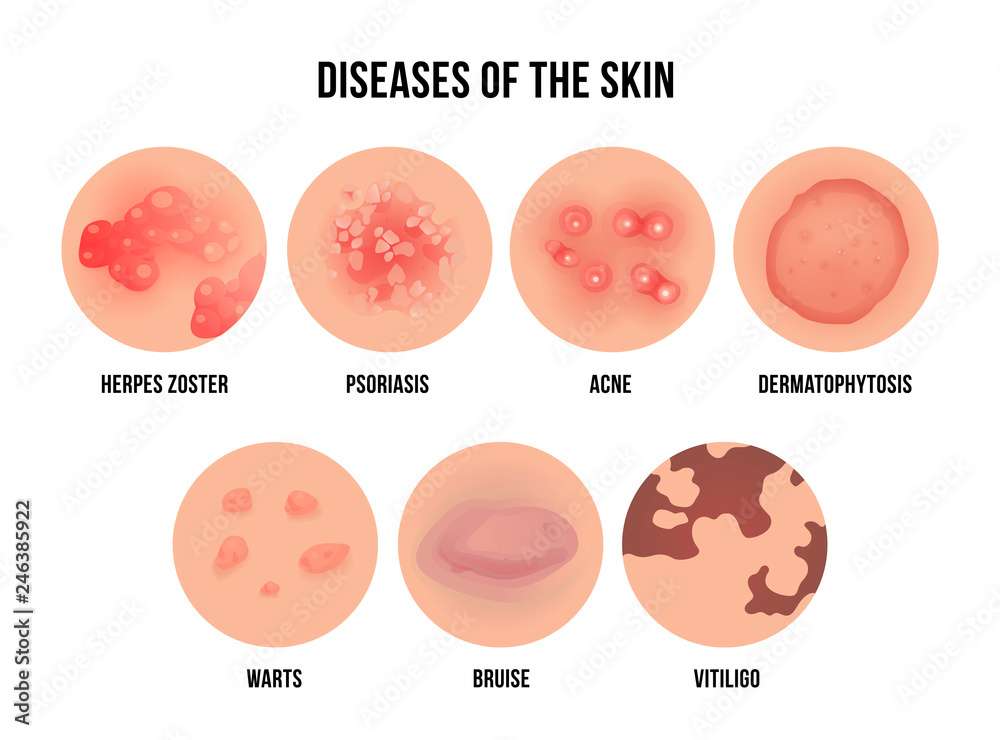
Hypertension, often referred to as high blood pressure, is a common condition that can lead to serious health issues if left untreated. It occurs when the force of blood against your artery walls is too high.
- Symptoms: Many individuals may not experience noticeable symptoms; however, severe hypertension can cause headaches, shortness of breath, or nosebleeds.
- Causes: Factors include genetic predisposition, poor diet, lack of physical activity, obesity, and excessive alcohol consumption.
- Diagnosis: Blood pressure readings are taken using a sphygmomanometer; multiple readings over time help confirm the diagnosis.
- Treatment options: Lifestyle changes such as diet and exercise are recommended. Medications like ACE inhibitors or beta-blockers may be prescribed for management.
- What to expect: Regular monitoring and follow-ups will be necessary to manage the condition effectively and adjust treatment as needed.
Management of hypertension is crucial for reducing risks of heart disease and stroke. Early detection and adherence to treatment can lead to better outcomes.