
Dr SK Sood
About Me
Dr SK Sood
MBBS
General Physician
10 Years Experience
Biography
My Clinic
OPD Hours
| Monday | Morning | 10:00 AM | - | 02:00 PM |
| Evening | 06:00 PM | - | 09:00 PM | |
| Tuesday | Morning | 10:00 AM | - | 02:00 PM |
| Evening | 06:00 PM | - | 09:00 PM | |
| Wednesday | Morning | 10:00 AM | - | 02:00 PM |
| Evening | 06:00 PM | - | 09:00 PM | |
| Thursday | Morning | 10:00 AM | - | 02:00 PM |
| Evening | 06:00 PM | - | 09:00 PM | |
| Friday | Morning | 10:00 AM | - | 02:00 PM |
| Evening | 06:00 PM | - | 09:00 PM | |
| Saturday | Morning | 10:00 AM | - | 02:00 PM |
| Evening | 06:00 PM | - | 09:00 PM | |
| Sunday | Morning | 10:00 AM | - | 02:00 PM |
| Evening | 06:00 PM | - | 09:00 PM |
Treatments
Specialised care and treatments offered
GASTROESOPHAGEAL REFLUX DISEASE (GERD)
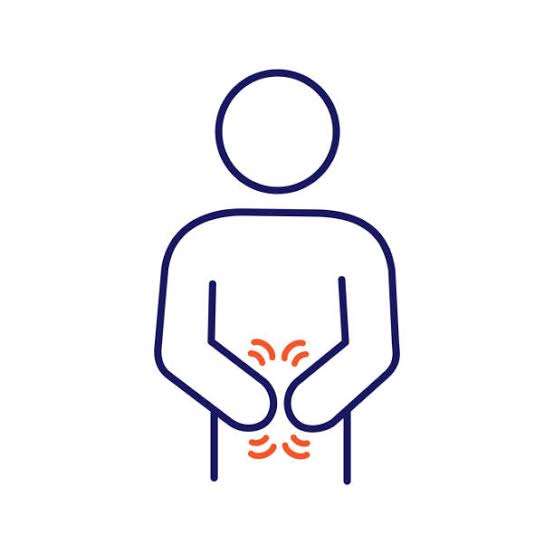
This digestive disorder occurs when stomach acid frequently flows back into the tube connecting your mouth and stomach (esophagus), causing irritation. Understanding its triggers is key to managing symptoms effectively at home and through medical care intervention when needed.
SEASONAL ALLERGIC RHINITIS

This condition involves inflammation of the nasal passages caused by allergens like pollen. Symptoms tend to worsen during specific seasons depending on allergen exposure patterns.
OBESITY MANAGEMENT
The rising prevalence of obesity poses significant health risks including diabetes and cardiovascular diseases. A structured approach is essential for effective weight management.
- Causative factors: Excess caloric intake paired with sedentary behavior; genetic predisposition may play a role as well.
- Symptoms & risks: Increased body fat impacting physical mobility along with heightened risk for metabolic disorders.
- Assessment methods:
CHRONIC OBSTRUCTIVE PULMONARY DISEASE (COPD) CARE
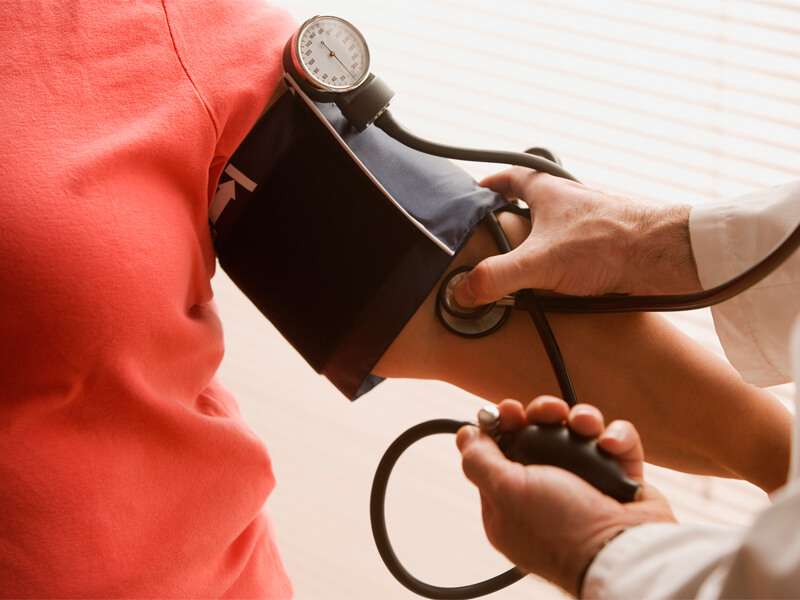
COPD is a progressive lung disease typically caused by long-term exposure to irritating gases or particulate matter. It leads to difficulty breathing and reduced airflow.
- Main causes: Smoking is the primary factor; environmental pollutants also contribute significantly.
- Symptoms include: Chronic cough with mucus production, wheezing, shortness of breath especially during exertion.
- Diagnosing COPD: Pulmonary function tests measure lung capacity; imaging like chest X-rays aid assessment.
- Treatment strategies: Smoking cessation remains crucial; bronchodilators and inhaled corticosteroids help relieve symptoms; pulmonary rehabilitation improves quality of life.
A combination of quitting smoking and tailored medical care can slow disease progression and improve daily functioning for those affected by COPD.
TYPE 2 DIABETES MELLITUS
This chronic metabolic disorder affects how your body processes glucose, leading to elevated blood sugar levels. Early management can reduce the risk of complications significantly.
- Symptoms: Increased thirst, frequent urination, fatigue, and blurred vision are common signs.
- Causes: Insulin resistance often linked with obesity, sedentary lifestyle, and genetics.
- Diagnosis: Blood tests such as fasting glucose levels and HbA1c provide confirmation.
- Treatment options: Emphasis on dietary changes rich in fiber and low in refined sugars, regular exercise, weight control; oral hypoglycemic agents or insulin therapy when required.
- Lifestyle impact: Self-monitoring of blood sugar and regular follow-up helps manage the condition effectively over time.
A comprehensive approach combining medication adherence with healthy habits is vital for maintaining good glycemic control and preventing complications.
HYPERTENSION MANAGEMENT
High blood pressure, or hypertension, is a common condition that can lead to serious health issues if left unmanaged. It often has no symptoms but requires regular monitoring.
- Causes: Lifestyle factors such as excess salt intake, obesity, stress, and genetic predisposition contribute to elevated blood pressure.
- Symptoms: Often asymptomatic; sometimes headaches or dizziness in severe cases.
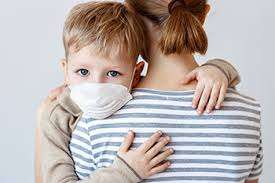
- Diagnosis: Measured using a sphygmomanometer during routine check-ups; multiple readings over time confirm diagnosis.
- Treatment: Lifestyle modifications including diet changes, increased physical activity, and weight management; medications like ACE inhibitors or beta-blockers may be prescribed if necessary.
- Monitoring: Regular blood pressure checks to ensure control and prevent complications such as heart disease or stroke.
Proper adherence to treatment and lifestyle adjustments can effectively control hypertension and improve overall health outcomes.