
Dr SKGupta Den
About Me
Dr SKGupta Den
MBBS
Podiatrist
10 Years Experience
Biography
My Clinic
OPD Hours
| Monday | Morning | 10:00 AM | - | 02:00 PM |
| Evening | 06:00 PM | - | 09:00 PM | |
| Tuesday | Morning | 10:00 AM | - | 02:00 PM |
| Evening | 06:00 PM | - | 09:00 PM | |
| Wednesday | Morning | 10:00 AM | - | 02:00 PM |
| Evening | 06:00 PM | - | 09:00 PM | |
| Thursday | Morning | 10:00 AM | - | 02:00 PM |
| Evening | 06:00 PM | - | 09:00 PM | |
| Friday | Morning | 10:00 AM | - | 02:00 PM |
| Evening | 06:00 PM | - | 09:00 PM | |
| Saturday | Morning | 10:00 AM | - | 02:00 PM |
| Evening | 06:00 PM | - | 09:00 PM | |
| Sunday | Morning | 10:00 AM | - | 02:00 PM |
| Evening | 06:00 PM | - | 09:00 PM |
Treatments
Specialised care and treatments offered
WART REMOVAL ON FEET
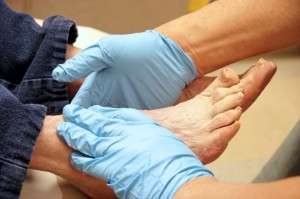
Soles warts are contagious viral growths caused by human papillomavirus (HPV) affecting skin integrity on weight-bearing areas inducing discomfort during walking.
- Etiology And Signs: Thickened rough lesions sometimes black dots visible inside indicating capillary clusters typical on pressure areas.
- Diagnostic Confirmation: Usually clinical observation suffices while biopsy is rarely needed unless atypical features appear.
- Treatment Modalities: Includes topical salicylic acid preparations,destroying wart tissue via cryotherapy(freezing),laser therapy,in some cases minor surgical excision .
- Post-Treatment Expectations: Multiple sessions might be required combined with follow-up care preventing recurrence fostering complete recovery ensuring resumption normal activities .
An individualized approach balancing efficacy,safety,and patient comfort results in successful wart eradication reducing transmission risk within communities effectively.
PERIPHERAL NEUROPATHY SCREENING
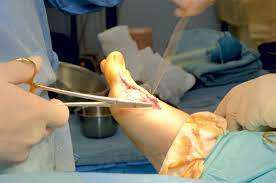
The nervous system supplying sensation to the feet can deteriorate causing peripheral neuropathy—detection at an early stage improves outcomes by preventing serious complications like ulcers or falls attributable to sensory loss.
- Presentation Details: Patients commonly experience numbness,pins-needles sensations,burning,pain especially at night affecting balance adversely
- Assessment Techniques: Detailed neurological examination tests vibration,touch,pain perception often supplemented by nerve conduction studies
- Management Approaches: Addressing underlying causes(diabetes,toxins),medications for symptom relief,lifestyle modifications,and protective footwear
- Importance Of Regular Screening: Periodic evaluations assist in timely diagnosis minimizing risk of trauma resulting from diminished sensation thereby facilitating safer ambulation
Early recognition along with comprehensive management optimizes functional independence preserving patient quality-of-life through prevention-focused podiatric services
FLATFOOT EVALUATION AND SUPPORT
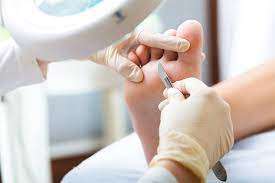
A condition where the arch of the foot collapses leading to flatfoot can cause discomfort and gait changes if not addressed properly over time.
- Main Features & Causes: Loss of normal arch height may stem from genetics, injury or muscle weakness affecting foot structure support.
- Diagnostic Process: Physical assessment including footprint analysis; imaging studies help define extent of deformity especially in adults presenting symptoms later on.
- Treatment Strategies: Custom orthotics provide arch support improving biomechanics during walking; exercises strengthening tendons enhance stability around ankle joints better accommodating load distribution.
- If symptoms persist despite conservative care surgery might be considered but is less common in early stages when interventions are most effective.
A well-tailored treatment plan mitigates discomfort from flatfoot ensuring improved functionality which positively influences overall mobility long term benefits greatly outweigh risks associated with delayed care
INGROWN TOENAIL MANAGEMENT
An ingrown toenail occurs when the nail edges grow into surrounding skin causing discomfort or infection. Early detection avoids progression to more complicated issues.
- Symptoms & Causes: Redness, swelling near nail borders; caused by improper nail trimming, pressure from tight shoes or injury.
- Diagnosis Approach: Clinical examination identifies degree of ingrowth and any secondary infection signs such as pus discharge.
- Treatment Methods: Soaking affected toe in warm water; oral or topical antibiotics if infection present. Partial nail removal under local anesthesia may be necessary for severe cases.
- Prevention: Proper nail cutting techniques (straight across), wearing roomy footwear reduce chances of recurrence significantly.
Caring for ingrown nails promptly relieves symptoms and prevents complications like abscess formation that require surgical intervention.
PLANTAR FASCIITIS TREATMENT
A common source of heel pain originates from inflammation of the plantar fascia ligament on the bottom of the foot. This condition can interfere with daily walking and standing activities.
- Symptoms & Causes: Sharp heel pain especially after rest periods; often linked to overuse, improper footwear or biomechanical abnormalities.
- Diagnosis: Physical examination focusing on tenderness at the heel bone attachment; imaging may be used if diagnosis is uncertain.
- Treatment Options: Rest, stretching exercises targeting the calf muscles and plantar fascia, orthotic shoe inserts to support arch mechanics.
- Additional Therapies: Anti-inflammatory medications or physical therapy techniques may be prescribed for pain relief.
Mild cases often improve gradually with conservative care; persistence with preventive strategies reduces recurrence chances significantly.
DIABETIC FOOT CARE
Managing foot health is crucial for people with diabetes, as they are more prone to complications that can severely affect mobility and quality of life.
- Causes & Risks: High blood sugar levels damage nerves and blood vessels, leading to loss of sensation and poor circulation in the feet.
- Symptoms: Numbness, tingling, ulcers, slow-healing wounds, or infections may be present without pain due to nerve damage.
- Diagnosis: Routine foot examinations include checking for sores, calluses, pulses, skin changes, and sensory tests like monofilament assessment.
- Treatment & Management: Consistent wound care, infection control, proper footwear, glucose management, and regular monitoring help prevent severe outcomes.
- What to Expect: With attentive care and lifestyle adjustments, many patients maintain foot health and avoid amputations or serious infections.
Preventive foot care plays a vital role in reducing diabetic complications. Early intervention can preserve function and comfort in daily activities.