
Dr SL Sharma
About Me
Dr SL Sharma
MBBS
General Physician
10 Years Experience
Biography
My Clinic
OPD Hours
| Monday | Morning | 10:00 AM | - | 02:00 PM |
| Evening | 06:00 PM | - | 09:00 PM | |
| Tuesday | Morning | 10:00 AM | - | 02:00 PM |
| Evening | 06:00 PM | - | 09:00 PM | |
| Wednesday | Morning | 10:00 AM | - | 02:00 PM |
| Evening | 06:00 PM | - | 09:00 PM | |
| Thursday | Morning | 10:00 AM | - | 02:00 PM |
| Evening | 06:00 PM | - | 09:00 PM | |
| Friday | Morning | 10:00 AM | - | 02:00 PM |
| Evening | 06:00 PM | - | 09:00 PM | |
| Saturday | Morning | 10:00 AM | - | 02:00 PM |
| Evening | 06:00 PM | - | 09:00 PM | |
| Sunday | Morning | 10:00 AM | - | 02:00 PM |
| Evening | 06:00 PM | - | 09:00 PM |
Treatments
Specialised care and treatments offered
PREVENTIVE IMMUNIZATIONS
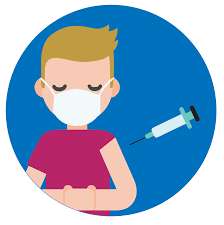
The importance of preventive immunizations cannot be overstated; vaccines are a cornerstone of public health initiatives aimed at reducing illness rates across communities. Staying up-to-date with vaccinations also protects vulnerable populations who are unable to receive them due to age or medical conditions.
- Common Vaccines: Routine vaccinations include those for influenza, hepatitis B & C HPV among others depending upon age group .
- Scheduling Shots: Annual flu shots are recommended; others adhere according to specific schedules outlined by healthcare providers .
- Efficacy: Vaccines help bolster immune responses protecting against certain diseases thus reducing infection rates significantly within communities .
- Assessment Needs: During annual exams reviewing vaccination records ensures timely updates necessary even sometimes requiring boosters later on!
THYROID FUNCTION TESTING

Thyroid function testing evaluates how well your thyroid gland is performing its vital role in regulating metabolism. Thyroid disorders can have wide-reaching effects on energy levels and overall health if undiagnosed or untreated.
- Symptoms: Hypothyroidism may cause fatigue, weight gain, while hyperthyroidism could lead to weight loss or anxiety.
- Diagnosis: Blood tests measuring TSH (Thyroid Stimulating Hormone) as well as T3 & T4 hormones confirm thyroid dysfunction.
- Treatment Options: Treatment varies depending on whether you have too much or too little hormone; options include hormone replacement therapy or medications that regulate thyroid production.
- Monitoring: Ongoing evaluations are essential after diagnosis to ensure hormone levels remain balanced.
Detecting thyroid imbalances early allows individuals to achieve better metabolic control leading to enhanced quality-life improvements.
CHOLESTEROL MANAGEMENT
The management of cholesterol levels is crucial in preventing heart disease and stroke. High cholesterol often has no symptoms but poses significant risks over time if not managed properly.
- Understanding Cholesterol: Cholesterol is a waxy substance found in your blood; high levels can lead to plaque buildup in arteries.
- Diagnosis: A simple blood test measuring lipid levels helps determine cholesterol status: LDL (bad), HDL (good), and total cholesterol levels are assessed.
- Treatment Options: Lifestyle changes such as diet modification (reducing saturated fats) combined with medications when necessary can help lower bad cholesterol levels effectively.
- Regular Check-Ups: Consistent monitoring allows adjustments to treatment plans based on individual progress toward target cholesterol goals.
Taking steps towards managing your cholesterol can dramatically improve cardiovascular health outcomes over time.
ANNUAL PHYSICAL EXAM
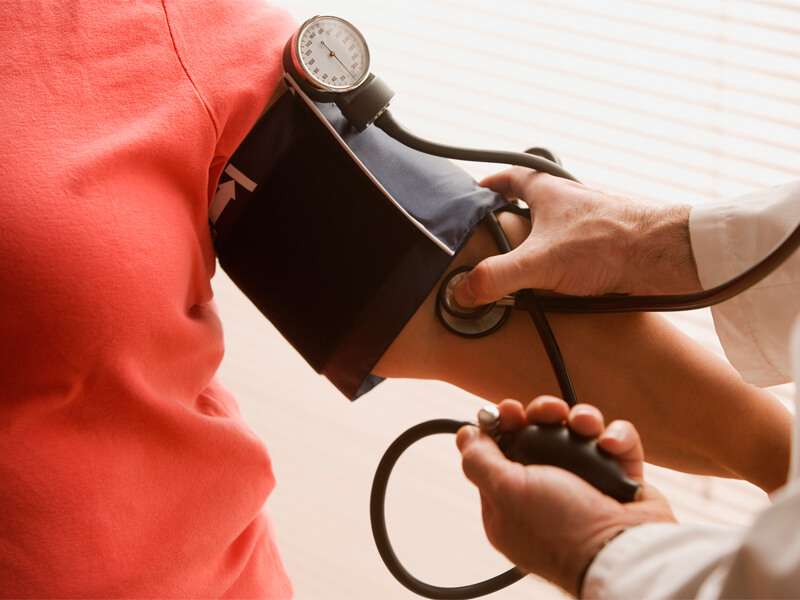
An annual physical examination plays an integral role in preventive healthcare by assessing overall health status. This routine check-up helps in identifying potential health issues before they become serious problems.
- Health Assessment: Doctors evaluate vital signs including weight, blood pressure, cholesterol levels, and more during the exam.
- Screens for Diseases: Screenings may include tests for conditions like diabetes, certain cancers, and other prevalent diseases depending on age and risk factors.
- Lifestyle Advice: Physicians often provide guidance on nutrition, exercise, vaccinations, and stress management tailored to individual needs.
- Follow-Up Care: Based on findings from the exam, follow-up appointments might be scheduled to monitor any identified conditions closely.
This proactive approach aids in maintaining long-term health and promotes the prevention of chronic diseases through early intervention.
DIABETES SCREENING

Diabetes screening is essential for early detection and management of both Type 1 and Type 2 diabetes. Early diagnosis allows for interventions that can significantly improve outcomes.
- Symptoms: Common symptoms include excessive thirst, frequent urination, fatigue, and blurred vision.
- Diagnosis: Blood tests such as the fasting plasma glucose or HbA1c test can identify diabetes even before symptoms arise.
- Treatment: Management strategies include lifestyle modifications, monitoring blood sugar levels, and medications or insulin therapy as needed.
- Preventive Care: Regular screenings are recommended for individuals at risk, including those with obesity or a family history of diabetes.
Participating in regular screenings helps maintain overall health and prevent potential complications associated with uncontrolled diabetes.
HYPERTENSION
Hypertension, commonly known as high blood pressure, is a condition that can lead to severe health issues if left unmanaged. It often develops over many years and can go unnoticed due to its subtle symptoms.
- Symptoms: Many individuals experience no symptoms, but some may suffer from headaches, shortness of breath, or nosebleeds.
- Diagnosis: Regular blood pressure checks are vital for detecting this condition early. A reading above 130/80 mmHg is typically considered hypertension.
- Treatment: Management may include lifestyle changes such as increased physical activity and dietary adjustments, along with medications that lower blood pressure.
- Regular Monitoring: Continuous monitoring of blood pressure is crucial for effective treatment and to prevent complications like heart disease or stroke.
Recognizing and managing hypertension early can significantly improve the quality of life and reduce the risk of serious health complications.