
Dr Smita Mukherjee
About Me
Dr Smita Mukherjee
General Physician
Biography
My Clinic
OPD Hours
| Tuesday | Morning | 10:00 AM | - | 02:00 PM |
| Evening | 06:00 PM | - | 09:00 PM | |
| Wednesday | Morning | 10:00 AM | - | 02:00 PM |
| Evening | 06:00 PM | - | 09:00 PM | |
| Thursday | Morning | 10:00 AM | - | 02:00 PM |
| Evening | 06:00 PM | - | 09:00 PM | |
| Friday | Morning | 10:00 AM | - | 02:00 PM |
| Evening | 06:00 PM | - | 09:00 PM | |
| Saturday | Morning | 10:00 AM | - | 02:00 PM |
| Evening | 06:00 PM | - | 09:00 PM | |
| Sunday | Morning | 10:00 AM | - | 02:00 PM |
| Evening | 06:00 PM | - | 09:00 PM | |
| Thursday | Morning | 10:00 AM | - | 02:00 PM |
| Evening | 06:00 PM | - | 09:00 PM |
Treatments
Specialised care and treatments offered
PREVENTIVE HEALTH SCREENINGS
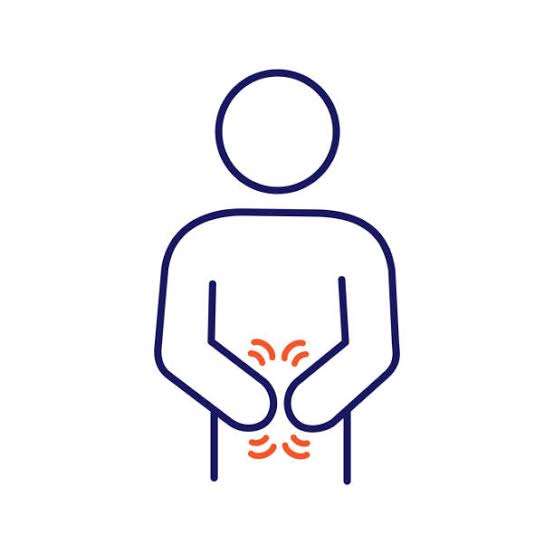
Preventive health screenings are vital for early detection of diseases before they progress. Regular check-ups help maintain overall health by identifying potential issues when they are most treatable.
- Types of Screenings: Common screenings include blood pressure checks , cholesterol panels , diabetes tests , cancer screenings (e.g., mammograms ) , etc .
- Who Should Get Screened ?: Guidelines vary based on age , family history , gender , etc .; consulting with your physician helps determine individual needs .
- Frequency: Some screenings should be done annually while others every few years depending on risk factors .
Adopting a proactive approach towards health through regular screenings empowers patients to take charge of their wellbeing .
ALLERGY TESTING AND MANAGEMENT

If you suspect allergies are affecting your quality of life, proper testing can identify triggers. Allergies occur when the immune system reacts abnormally to certain substances called allergens.
- Common Triggers: Pollen , dust mites , pet dander , certain foods , and insect stings .
- Diagnosis : Allergy testing includes skin prick tests or blood tests measuring specific IgE antibodies .
- Management : Avoiding known allergens is crucial ; antihistamines , nasal sprays , or even immunotherapy may be suggested .
- Follow-Up Care: Regular consultations help monitor allergy management plans effectively .
With appropriate management strategies , individuals can navigate their allergies more comfortably .
CHOLESTEROL MANAGEMENT
Your body needs cholesterol for various functions; however, high levels can increase the risk of heart disease. Monitoring cholesterol levels plays an important role in cardiovascular health.
- Risk Factors: High cholesterol may result from poor diet, lack of exercise, obesity, smoking, or genetic predisposition.
- Testing: A lipid panel test measures total cholesterol as well as HDL (good) and LDL (bad) cholesterol levels in your blood.
- Treatment Options: Lifestyle changes such as improved nutrition and physical activity are essential; statins or other medications might be necessary for some patients.
An individualized plan focusing on lifestyle modifications can significantly improve your cholesterol profile and overall heart health.
RESPIRATORY INFECTIONS CARE
Respiratory infections can affect various parts of the respiratory system, including the lungs and airways. They range from mild colds to more serious conditions like pneumonia.
- Symptoms: Symptoms often include cough, congestion, sore throat, fever, and difficulty breathing in severe cases.
- Diagnosis: Diagnosis typically involves clinical evaluation and may require imaging studies like chest X-rays if pneumonia is suspected.
- Treatment: Treatment options include rest, hydration, over-the-counter medications for symptom relief, and antibiotics if a bacterial infection is confirmed.
- Coping Strategies: Patients are advised on preventive measures such as vaccinations and hygiene practices to minimize recurrence.
A thorough approach ensures effective management of respiratory infections while promoting overall respiratory health.
DIABETES SCREENING AND MANAGEMENT

Diabetes is a chronic condition that occurs when the body cannot effectively regulate blood sugar levels. Early detection is key to effective management and prevention of complications.
- Symptoms: Symptoms may include increased thirst, frequent urination, fatigue, and blurred vision.
- Diagnosis: Diabetes can be diagnosed through fasting glucose tests or an HbA1c test to measure average blood sugar levels over time.
- Treatment: Management often involves dietary changes, regular exercise, and possibly insulin therapy or oral medications.
- What to Expect: A personalized care plan from your physician helps manage blood glucose levels effectively to avoid complications like neuropathy or retinopathy.
Catching diabetes early provides better control over the condition and enhances quality of life.
HYPERTENSION MANAGEMENT
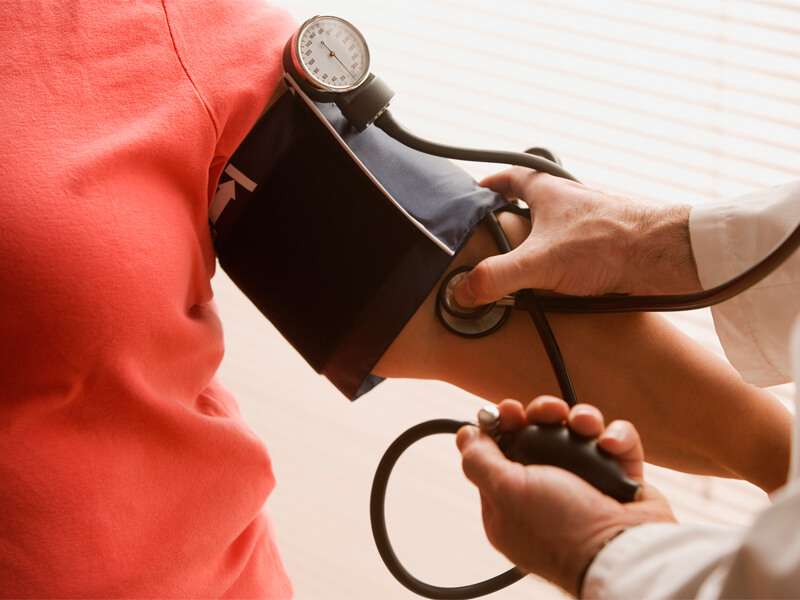
Hypertension, or high blood pressure, is a common condition that affects many adults. It can lead to serious health problems if left untreated. Understanding hypertension is crucial for effective management.
- Symptoms: Often called a silent killer, it usually doesn't present symptoms but can lead to headaches, dizziness, or nosebleeds in severe cases.
- Diagnosis: Blood pressure is measured using a sphygmomanometer. Multiple readings may be taken over different visits for an accurate diagnosis.
- Treatment: Lifestyle changes such as diet and exercise are crucial; medications may include diuretics or ACE inhibitors.
- Management: Regular monitoring and follow-ups ensure that blood pressure remains within a healthy range.
If managed properly, individuals with hypertension can lead normal, active lives while reducing the risks of complications.