
Dr SN Sharma,
About Me
Dr SN Sharma,
MD
Cardiologist
10 Years Experience
Biography
My Clinic
OPD Hours
| Monday | Morning | 10:00 AM | - | 02:00 PM |
| Evening | 06:00 PM | - | 09:00 PM | |
| Tuesday | Morning | 10:00 AM | - | 02:00 PM |
| Evening | 06:00 PM | - | 09:00 PM | |
| Wednesday | Morning | 10:00 AM | - | 02:00 PM |
| Evening | 06:00 PM | - | 09:00 PM | |
| Thursday | Morning | 10:00 AM | - | 02:00 PM |
| Evening | 06:00 PM | - | 09:00 PM | |
| Friday | Morning | 10:00 AM | - | 02:00 PM |
| Evening | 06:00 PM | - | 09:00 PM | |
| Saturday | Morning | 10:00 AM | - | 02:00 PM |
| Evening | 06:00 PM | - | 09:00 PM | |
| Sunday | Morning | 10:00 AM | - | 02:00 PM |
| Evening | 06:00 PM | - | 09:00 PM |
Treatments
Specialised care and treatments offered
ADVANCED HEART FAILURE MANAGEMENT INCLUDING LVAD

Treating severe heart failure sometimes requires advanced mechanical circulatory support devices like Left Ventricular Assist Devices (LVADs).
- Causes & Symptoms: End-stage heart failure leads to persistent breathlessness, fluid retention despite medical therapy.
- Diagnostic Considerations: Echocardiography along with hemodynamic studies assess suitability for device implantation.
- Treatment Strategy: LVAD assists left ventricular pumping improving blood circulation either as bridge-to-transplant or destination therapy.
- Post-Procedure Expectations: Continuous device monitoring plus anticoagulation management reduce risks of complications enhancing survival rates.
The availability of LVAD technology has revolutionized care options for patients with critically impaired cardiac function unresponsive to conventional treatments
ELECTROPHYSIOLOGY STUDY (EPS) AND ABLATION THERAPY
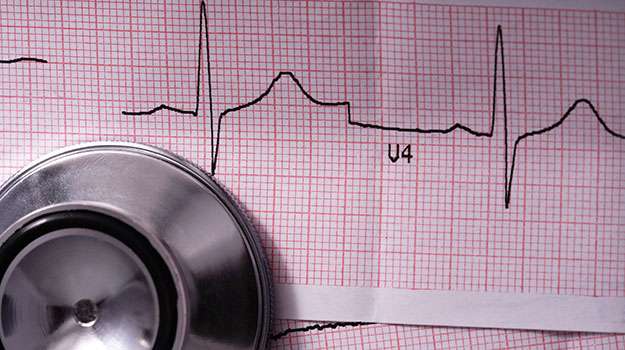
This specialized testing combined with therapeutic ablation targets abnormal electrical pathways causing arrhythmias in the heart’s conduction system.
- Symptom Presentation: Palpitations, syncope episodes, or irregular heartbeat hint towards arrhythmias needing evaluation.
- Diagnostic Approach: EPS maps electrical activity within cardiac chambers precisely identifying aberrant circuits.
- Treatment Method: Radiofrequency energy or cryoablation selectively destroys faulty tissue generating arrhythmic impulses.
- Follow-up Care: Monitoring rhythm stability post-procedure ensures treatment efficacy and guides further management if needed.
Effective management of complex arrhythmias through EPS followed by ablation markedly reduces future adverse events associated with irregular heartbeats.
VALVE REPAIR AND REPLACEMENT SURGERY
Dysfunctional heart valves can impair normal blood flow; surgical repair or replacement restores valve function efficiently.
- Syndromes Causing Valve Issues: Conditions like stenosis or regurgitation lead to fatigue, breathlessness, palpitations, or swelling.
- Echocardiographic Assessment: Ultrasound-based imaging precisely evaluates valve anatomy and severity of dysfunction.
- Surgical Options: Either repairing the native valve structures or replacing them with mechanical/biological prostheses is performed depending on severity.
- The Recovery Process: Includes hospital stay with monitored cardiac function followed by gradual physical rehabilitation efforts at home.
This treatment substantially enhances cardiac efficiency and prevents complications related to damaged valves long-term.
IMPLANTATION OF PACEMAKERS
A pacemaker addresses abnormal heart rhythms by delivering electrical impulses to regulate heartbeat effectively.
- Underlying Issues: Conditions such as bradycardia or heart block cause symptoms like dizziness, fatigue, or fainting spells.
- Diagnostic Steps: Electrocardiograms and Holter monitoring help confirm arrhythmias requiring pacing support.
- The Procedure: Device implantation is usually performed under local anesthesia using small incisions near the chest area.
- Lifelong Management: Regular follow-ups ensure proper device functioning, battery status checks, and symptom monitoring continue over time.
The pacemaker significantly improves quality of life by stabilizing abnormal heart rhythms safely and reliably.
PERCUTANEOUS CORONARY INTERVENTION (PCI)
An effective minimally invasive procedure designed to open narrowed coronary arteries without open-heart surgery.
- Symptoms and Causes: Patients usually have angina or acute myocardial infarction caused by artery narrowing due to plaque buildup.
- How Diagnosed: Cardiac catheterization with angiography pinpoints blockages amenable to stenting.
- Treatment Approach: PCI involves balloon dilation followed by stent placement to keep arteries open.
- Post-Treatment Care: Antiplatelet therapy and lifestyle modifications are essential for success.
This approach offers prompt symptom relief with quicker patient recovery compared to traditional surgery.
CORONARY ARTERY BYPASS GRAFTING (CABG)
When coronary arteries become severely blocked, coronary artery bypass grafting can restore adequate blood flow to the heart muscle.
- Causes and Symptoms: Blockage often results from atherosclerosis causing chest pain, shortness of breath, or even heart attacks.
- Diagnosis: Diagnosis involves stress tests, coronary angiography, and imaging to assess arterial blockages.
- Treatment: CABG uses blood vessels from other body parts to bypass blocked coronary arteries.
- Management: Postoperative care includes medications, lifestyle changes, and cardiac rehabilitation.
- Outcomes: Many patients experience symptom relief and improved heart function after recovery.
This surgical intervention is pivotal for advanced coronary disease when medications or angioplasty are insufficient.