Dr Sneh Lata Saha
About Me
Dr Sneh Lata Saha
MD
Dermatologist
10 Years Experience
Biography
My Clinic
OPD Hours
| Monday | Morning | 10:00 AM | - | 02:00 PM |
| Evening | 06:00 PM | - | 09:00 PM | |
| Tuesday | Morning | 10:00 AM | - | 02:00 PM |
| Evening | 06:00 PM | - | 09:00 PM | |
| Wednesday | Morning | 10:00 AM | - | 02:00 PM |
| Evening | 06:00 PM | - | 09:00 PM | |
| Thursday | Morning | 10:00 AM | - | 02:00 PM |
| Evening | 06:00 PM | - | 09:00 PM | |
| Friday | Morning | 10:00 AM | - | 02:00 PM |
| Evening | 06:00 PM | - | 09:00 PM | |
| Saturday | Morning | 10:00 AM | - | 02:00 PM |
| Evening | 06:00 PM | - | 09:00 PM | |
| Sunday | Morning | 10:00 AM | - | 02:00 PM |
| Evening | 06:00 PM | - | 09:00 PM |
Treatments
Specialised care and treatments offered
WART REMOVAL
SKIN CANCER SCREENING
The importance of regular skin cancer screening cannot be overstated. Early detection significantly improves treatment outcomes for conditions like melanoma and non-melanoma skin cancers。
ROSACEA
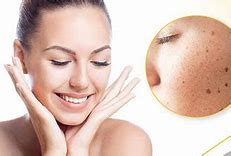
This chronic inflammatory condition primarily affects facial skin and is marked by redness and visible blood vessels. Although it can affect anyone, it frequently occurs in fair-skinned individuals over 30 years old.
- Symptoms: Symptoms include facial flushing, persistent redness around cheeks/nose/forehead, visible blood vessels, and sometimes pimple-like bumps or spots.
- Causes: Triggers remain varied but may include heat exposure, certain foods/drinks like spicy foods or alcohol, and stress levels appearing frequently among patients.
- /
PSORIASIS
Psoriasis is an autoimmune condition leading to rapid skin cell production resulting in thickened patches known as plaques. It commonly affects adults but can also occur in children.
- Symptoms: Patients often experience red patches covered with thick silvery scales along with itching or burning sensations.
- Causes: The exact cause remains unclear; however, genetics plays a role while environmental factors may trigger flare-ups.
- Diagnosis: Dermatologists typically confirm psoriasis through physical examinations of the characteristic lesions on the body.
- Treatment options: Treatments include topical therapies, phototherapy, and systemic medications designed to control the immune response.
Living with psoriasis requires ongoing management strategies. Many effective treatments exist today that help improve symptoms significantly over time.
ECZEMA (ATOPIC DERMATITIS)
Eczema is a chronic condition characterized by itchy, inflamed skin. It commonly appears in childhood but can occur at any age and often varies in severity.
- Symptoms: Common symptoms include dry patches of skin that may become red and weepy or crusty due to scratching.
- Causes: Genetic predisposition along with environmental triggers such as allergens can initiate flare-ups.
- Diagnosis: Diagnosis generally involves a thorough medical history review followed by an examination of the affected areas.
- Treatment options: Management often includes topical corticosteroids to reduce inflammation alongside moisturizers to hydrate the skin.
A proactive approach to managing eczema can significantly enhance one's quality of life. Individualized care strategies are essential for long-term relief.
ACNE VULGARIS
Acne vulgaris is a common skin condition that often affects adolescents but can persist into adulthood. It manifests as pimples, blackheads, and cysts primarily on the face, back, and shoulders.
- Symptoms: Inflammatory lesions such as papules and pustules are typical, often accompanied by comedones.
- Causes: Hormonal changes, excess oil production, and bacteria contribute to acne development.
- Diagnosis: A dermatologist can typically diagnose acne through a physical examination of the skin.
- Treatment options: Over-the-counter topical treatments, prescription medications including antibiotics or retinoids, and intervention techniques like chemical peels may be utilized.
- Management: Regular skincare routines and lifestyle adjustments can help maintain clearer skin.
Understanding acne is crucial for effective management. With appropriate treatment plans tailored to individual needs, improvement is attainable.