
Dr Snehal Jhaveri
About Me
Dr Snehal Jhaveri
Pediatrician
Biography
My Clinic
OPD Hours
| Tuesday | Morning | 10:00 AM | - | 02:00 PM |
| Evening | 06:00 PM | - | 09:00 PM | |
| Wednesday | Morning | 10:00 AM | - | 02:00 PM |
| Evening | 06:00 PM | - | 09:00 PM | |
| Thursday | Morning | 10:00 AM | - | 02:00 PM |
| Evening | 06:00 PM | - | 09:00 PM | |
| Friday | Morning | 10:00 AM | - | 02:00 PM |
| Evening | 06:00 PM | - | 09:00 PM | |
| Saturday | Morning | 10:00 AM | - | 02:00 PM |
| Evening | 06:00 PM | - | 09:00 PM | |
| Sunday | Morning | 10:00 AM | - | 02:00 PM |
| Evening | 06:00 PM | - | 09:00 PM | |
| Thursday | Morning | 10:00 AM | - | 02:00 PM |
| Evening | 06:00 PM | - | 09:00 PM |
Treatments
Specialised care and treatments offered
TYPE 1 DIABETES

This chronic illness primarily affects how children's bodies process glucose. Early awareness of Type 1 diabetes ensures timely interventions that can stabilize blood sugar levels effectively within youth populations worldwide!
* Q Y f *'f'i S )Q:: W K ) R _= G S · '+ M _B)[ JOBESITY

Pediatric obesity has become a pressing health concern globally due to its association with various health complications. Addressing this issue early provides children the opportunity for healthier futures through lifestyle modifications.
ADHD (ATTENTION-DEFICIT/HYPERACTIVITY DISORDER)

This neurodevelopmental disorder often presents challenges in concentration and impulse control in children. Early detection of ADHD leads to effective management strategies tailored for individual needs.
- Symptoms : Parents might notice persistent patterns of inattentiveness or hyperactive behaviors that interfere with daily activities at home or school.
- Causes : The exact cause remains unclear; however, genetics along with environmental factors may play critical roles.
- Diagnosis : A comprehensive evaluation typically includes behavior assessments from teachers or caregivers alongside standardized tests administered by professionals.
- Treatment options : Management can involve behavioral therapies coupled with medications such as stimulants which have shown effectiveness in improving focus.
- What to expect : Children receiving support often learn coping mechanisms enabling them better handle their symptoms during school years.
Proper guidance has been shown beneficial not only academically but socially as well for kids managing ADHD.
ECZEMA
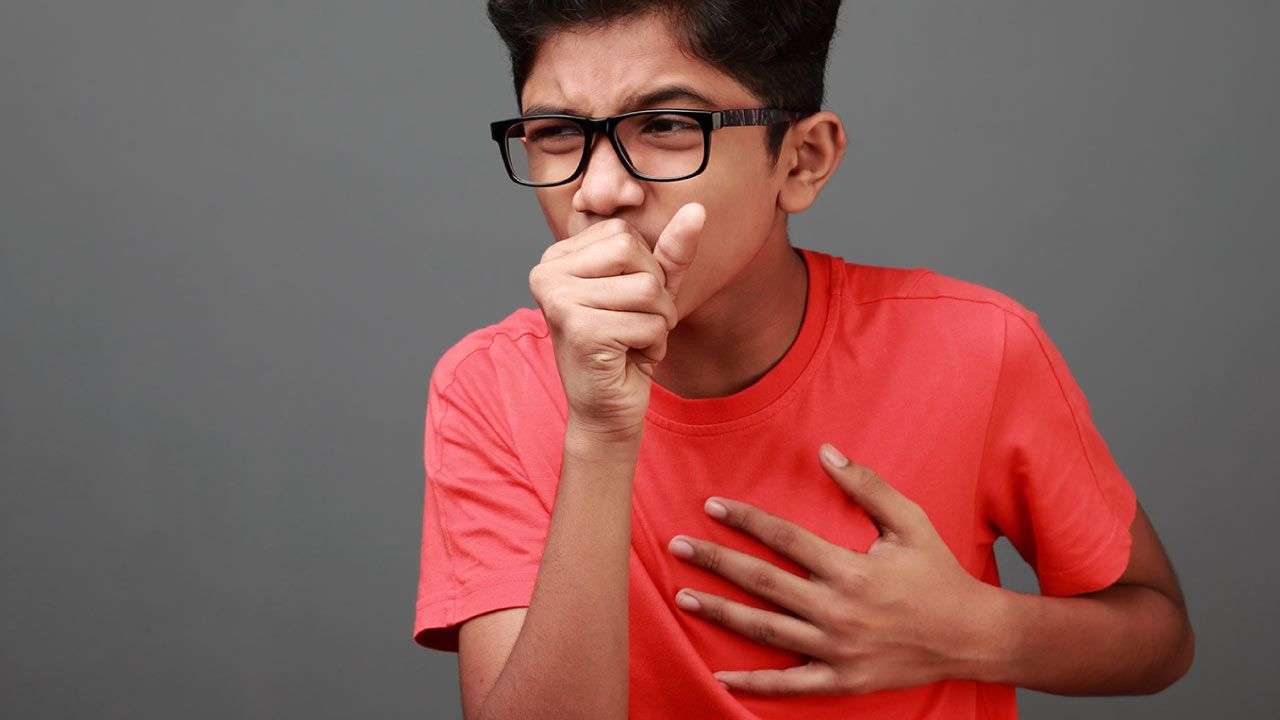
Eczema is a common skin condition in childhood that manifests as dry and itchy skin. Early intervention plays a key role in managing this chronic issue and providing relief to affected children.
- Symptoms: Signs often include red patches on the skin that may be itchy or rough; sometimes lesions ooze fluid when scratched.
- Causes: While the exact cause isn't fully understood, genetic factors combined with environmental triggers like soaps or certain fabrics can worsen the condition.
- Diagnosis: A healthcare provider will perform a physical examination and review family history to diagnose eczema accurately.
- Treatment options: Management includes topical corticosteroids, moisturizers to improve skin hydration, and identifying irritants that should be avoided.
- What to expect: With diligent care routines in place, many children experience symptom improvement over time as they grow older.
A proactive approach can significantly reduce flare-ups of eczema and enhance your child’s overall comfort.
ALLERGIC RHINITIS
This condition is often seen in children and is characterized by an allergic reaction causing sneezing, nasal congestion, and itchy eyes. Recognizing the symptoms early can help manage allergic rhinitis effectively.
- Symptoms: Parents may notice frequent sneezing, runny nose, itchy eyes, or postnasal drip in affected children.
- Causes: Typically triggered by allergens such as pollen, dust mites, pet dander, or mold.
- Diagnosis: Diagnosis involves a complete physical exam alongside allergy testing to identify specific triggers.
- Treatment options: Common treatments include antihistamines, nasal corticosteroids, and allergy shots for long-term relief.
- What to expect: With appropriate treatment plans in place, most children can manage symptoms effectively while enjoying outdoor activities without discomfort.
Managing allergic rhinitis helps improve your child’s quality of life significantly during allergy seasons.
ASTHMA
Asthma is a chronic respiratory condition affecting children and can lead to significant breathing problems if not managed properly. Understanding asthma is essential for both children and their caregivers to help control the symptoms effectively.
- Symptoms: Common signs include wheezing, coughing (especially at night), shortness of breath, and chest tightness.
- Causes: Triggers may include allergens (like pollen or dust mites), physical activity, cold air, or respiratory infections.
- Diagnosis: A pediatrician may conduct lung function tests along with a thorough medical history and physical examination to confirm asthma.
- Treatment options: Management typically includes inhaled corticosteroids, bronchodilators, and avoiding known triggers. A written asthma action plan is also advisable for parents.
- What to expect: With proper management, many children can lead active lives with minimal asthma-related issues, but regular check-ups are crucial.
Effective asthma management involves both medication adherence and lifestyle adjustments to ensure your child's well-being.