
Dr Snehal Kulkarni
About Me
Dr Snehal Kulkarni
Cardiologist
Biography
My Clinic
OPD Hours
| Tuesday | Morning | 10:00 AM | - | 02:00 PM |
| Evening | 06:00 PM | - | 09:00 PM | |
| Wednesday | Morning | 10:00 AM | - | 02:00 PM |
| Evening | 06:00 PM | - | 09:00 PM | |
| Thursday | Morning | 10:00 AM | - | 02:00 PM |
| Evening | 06:00 PM | - | 09:00 PM | |
| Friday | Morning | 10:00 AM | - | 02:00 PM |
| Evening | 06:00 PM | - | 09:00 PM | |
| Saturday | Morning | 10:00 AM | - | 02:00 PM |
| Evening | 06:00 PM | - | 09:00 PM | |
| Sunday | Morning | 10:00 AM | - | 02:00 PM |
| Evening | 06:00 PM | - | 09:00 PM | |
| Thursday | Morning | 10:00 AM | - | 02:00 PM |
| Evening | 06:00 PM | - | 09:00 PM |
Treatments
Specialised care and treatments offered
PERIPHERAL ARTERY DISEASE TREATMENT

PAD occurs when narrow arteries reduce blood flow primarily in limbs. Effective treatment addresses lifestyle changes along with medical interventions tailored toward individual needs.
- Symptoms often include leg pain during walking (claudication) or non-healing wounds; early detection aids preventive measures.
- Performing diagnostic tests like Doppler ultrasound improves accuracy in determining severity levels associated with PAD.
- Treatment options range from lifestyle changes such as diet modifications or exercise programs up through minimally invasive solutions including angioplasty if required.
- Comprehensive care focuses on improving quality-of-life outcomes while reducing cardiovascular risks associated with PAD!
Seeking timely consultation enhances overall vascular health management strategies potentially accessing better prognoses moving forward.
ATRIAL FIBRILLATION MANAGEMENT
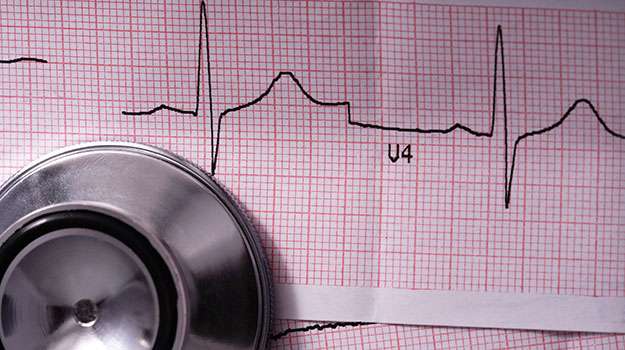
Atrial Fibrillation (AFib) is an irregular heartbeat that increases stroke risk. Effective management focuses on restoring normal rhythm alongside preventing complications associated with this condition.
- Common symptoms include palpitations, dizziness, fatigue, or even chest pain; however, some may remain asymptomatic for long durations.
- A thorough evaluation must be conducted using an ECG or other monitoring techniques to diagnose AFib accurately.
- Treatment may involve medications such as anticoagulants or rate control drugs. In some cases, procedures like cardioversion might be necessary to restore normal rhythm surgically!
Ongoing follow-up ensures optimal management strategies tailored uniquely for each patient’s needs and overall well-being.
STRESS TESTING
A stress test evaluates how well your heart functions under physical stress. It’s essential for diagnosing various cardiac conditions and assessing overall heart health safely.
- Patients are guided to exercise on a treadmill or stationary bike while their heart rate and rhythm are monitored, helping detect ischemia.
- The test is typically recommended if symptoms like chest discomfort arise during exertion or if there’s a history of cardiovascular diseases.
- Diagnostic imaging may accompany this test to visualize blood flow within the heart during exercise.
- Afterward, cardiologists analyze data gathered during both rest and activity phases for comprehensive assessment and follow-up care suggestions.
This proctitive measure allows individuals to understand their cardiovascular fitness better and make needed lifestyle adjustments or initiate treatments as required.
HOLTER MONITORING
Holter Monitoring is a continuous method for recording electrical activity in the heart over 24-48 hours. This portable ECG device captures irregularities that standard tests might miss.
- This type of monitoring is particularly useful for diagnosing arrhythmias, unexplained palpitations, or syncope (fainting).
- Patients wear electrodes attached to small wires connected to a recording device they carry throughout their daily activities.
- The data collected can be reviewed by cardiologists to identify abnormal rhythms or other issues that warrant further investigation.
- This procedure is safe and straightforward, allowing patients to maintain their routine while wearing the monitor.
The insights gained from Holter Monitoring help tailor appropriate management strategies for cardiac health.
ECHOCARDIOGRAM
An echocardiogram is a vital diagnostic tool that uses sound waves to create images of the heart's structure and function. This non-invasive test helps assess various heart conditions effectively.
- This test can reveal potential heart valve issues, congenital heart defects, or signs of previous heart attacks.
- A healthcare provider will guide patients through the process, which typically requires no special preparation.
- The results are analyzed by looking at the heart's pumping ability and any structural abnormalities observed in the images.
- Patients usually receive results on the same day or shortly after testing, allowing for timely intervention if necessary.
Echocardiograms are essential for monitoring heart health and making informed decisions regarding treatment options.
CORONARY ANGIOPLASTY
Coronary Angioplasty is a minimally invasive procedure used to open blocked coronary arteries, improving blood flow to the heart muscle. This procedure is commonly recommended for individuals experiencing symptoms of coronary artery disease.
- Symptoms may include chest pain (angina), shortness of breath, or fatigue during physical activity.
- The condition is often diagnosed through tests such as angiography, which visualizes blood flow in the coronary arteries.
- Treatment involves inserting a balloon catheter into the blocked artery to widen it; sometimes, a stent is placed to keep the artery open.
- Patients can expect a relatively quick recovery time and often notice an immediate improvement in symptoms.
This procedure can significantly enhance quality of life and reduce the risk of heart-related complications.