
Dr Snehal Sanghavi
About Me
Dr Snehal Sanghavi
Internal Medicine
Biography
My Clinic
OPD Hours
| Tuesday | Morning | 10:00 AM | - | 02:00 PM |
| Evening | 06:00 PM | - | 09:00 PM | |
| Wednesday | Morning | 10:00 AM | - | 02:00 PM |
| Evening | 06:00 PM | - | 09:00 PM | |
| Thursday | Morning | 10:00 AM | - | 02:00 PM |
| Evening | 06:00 PM | - | 09:00 PM | |
| Friday | Morning | 10:00 AM | - | 02:00 PM |
| Evening | 06:00 PM | - | 09:00 PM | |
| Saturday | Morning | 10:00 AM | - | 02:00 PM |
| Evening | 06:00 PM | - | 09:00 PM | |
| Sunday | Morning | 10:00 AM | - | 02:00 PM |
| Evening | 06:00 PM | - | 09:00 PM | |
| Thursday | Morning | 10:00 AM | - | 02:00 PM |
| Evening | 06:00 PM | - | 09:00 PM |
Treatments
Specialised care and treatments offered
GOUT
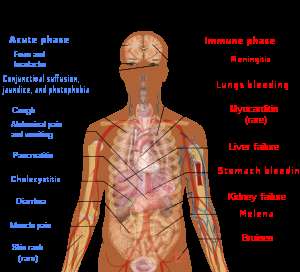
A form of arthritis characterized by sudden severe pain due to elevated uric acid levels forming crystals in joints—gout typically targets the big toe but may affect other areas as well. Understanding gout helps mitigate flare-ups effectively!
- Symptoms: Flare-ups manifest with intense joint pain often occurring at night alongside swelling redness surrounding affected area leading sometimes even highly sensitive feeling upon touch!.
CHRONIC OBSTRUCTIVE PULMONARY DISEASE (COPD)
COPD is a progressive lung disease characterized by obstructed airflow that interferes with normal breathing. It encompasses emphysema and chronic bronchitis as its principal forms commonly linked with long-term smoking exposure but can arise from other environmental pollutants too.
- Symptoms: Chronic cough accompanied by sputum production and difficulty catching one’s breath characterize COPD; these often worsen progressively over time.
- Causes: Major causative factors include cigarette smoke inhalation along with exposure to dusts/chemicals particularly in occupational settings/environmental pollution.
- Diagnosis: Lung function tests known as spirometry alongside imaging studies permit accurate assessment confirming COPD presence followed closely by clinical evaluations based on reported history.
- Management: Treatment primarily focuses on slowing disease progression through smoking cessation tactics complemented by bronchodilator medications helping relieve obstructive symptoms while inhaled steroids assist reducing inflammation within airways.
Regular follow-ups ensure optimal care allowing patients an improved ability for engagement across activities despite their initial limitations due to illness onset; remember there's numerous support systems available!
ASTHMA
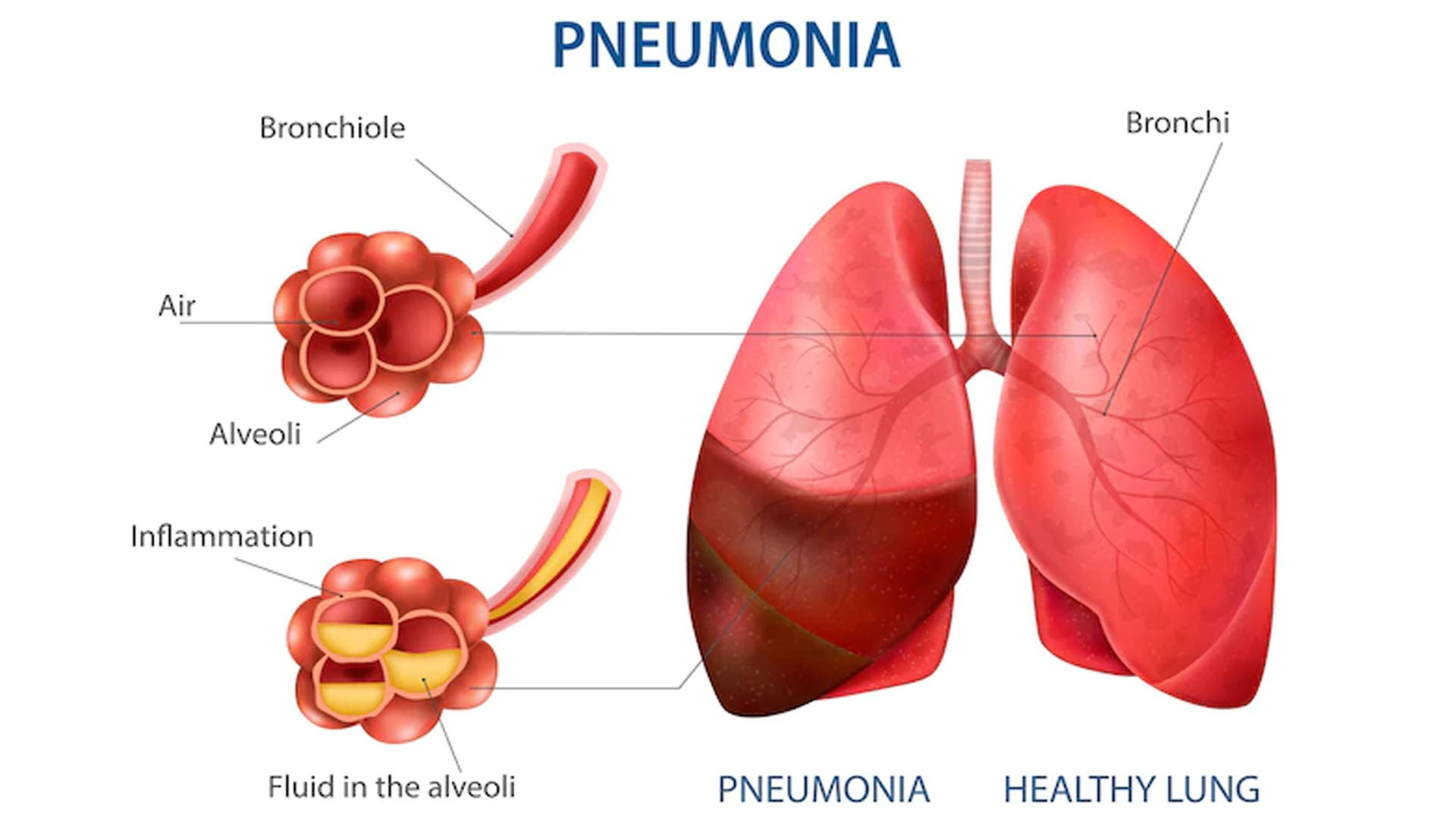
Asthma is a chronic inflammatory condition of the airways that causes episodes of wheezing, breathlessness, chest tightness, and coughing. Managing asthma effectively ensures better quality of life for patients affected by this condition.
- Symptoms: Symptoms can vary but often include shortness of breath during physical activity or at night. Persistent coughs are also common indicators.
- Triggers: Common triggers include allergens (like pollen), smoke exposure, respiratory infections, cold air, or even stress-induced responses in some individuals.
- Diagnosis : A thorough assessment including spirometry tests helps confirm asthma by measuring lung function capacity during an episode versus normal state.
Treatment adherence leads patients towards effective management allowing them to engage fully in their daily activities without much interference from asthma symptoms.
HYPERLIPIDEMIA
Hyperlipidemia refers to elevated levels of lipids (fats) in the bloodstream which increases cardiovascular disease risk. Managing lipid levels is crucial for overall health.
- Symptoms: Typically asymptomatic; however, advanced cases may show signs of heart disease or pancreatitis.
- Causes: It can result from factors like poor diet rich in saturated fats, genetic factors, or underlying conditions such as diabetes or hypothyroidism.
- Diagnosis: A simple blood test measures cholesterol and triglyceride levels to evaluate lipid profiles accurately.
- Treatment Options: Lifestyle interventions like a heart-healthy diet and regular exercise are foundational; medication may be prescribed to help lower cholesterol levels if necessary.
- Prognosis: With consistent monitoring and adherence to treatment plans, risks associated with hyperlipidemia can be significantly reduced over time.
A collaborative management plan involving dietary guidance and potential medical therapy can enhance your health profile significantly.
DIABETES MELLITUS
Diabetes Mellitus is a chronic condition that occurs when the body cannot effectively regulate blood sugar levels. This metabolic disorder requires ongoing management to prevent complications.
- Symptoms: Increased thirst, frequent urination, extreme fatigue, blurred vision are common indicators.
- Causes: Type 1 diabetes is primarily genetic; Type 2 often results from lifestyle factors including obesity and inactivity.
- Diagnosis: Blood tests measure glucose levels; an oral glucose tolerance test may also be performed for precise evaluation.
- Treatment Options: Management involves dietary changes, regular exercise, monitoring blood sugar levels, and insulin therapy when necessary.
- Long-term Outlook: With diligent care and lifestyle modifications, many individuals live full lives while successfully managing their diabetes through structured routines.
A comprehensive approach tailored to your needs will help control your diabetes effectively and improve your overall well-being.
HYPERTENSION
Hypertension, or high blood pressure, is a common condition where the force of the blood against the artery walls is consistently too high. It often develops over many years and can lead to serious health issues if left untreated.
- Symptoms: Most individuals do not experience noticeable symptoms; some may have headaches or nosebleeds in severe cases.
- Causes: Factors include genetic predisposition, unhealthy lifestyle, obesity, and chronic kidney disease.
- Diagnosis: Blood pressure readings are taken during routine visits; multiple readings may be required for accurate diagnosis.
- Management: Treatment includes lifestyle changes such as diet modification, increased physical activity, and possibly medications like diuretics or ACE inhibitors.
- Expectations: With proper management, individuals can maintain healthy blood pressure levels and reduce risk of complications like heart disease or stroke.
Your healthcare provider can guide you through effective living adjustments and medication options to control hypertension successfully.