
Dr Snehal Sanghvi Tarachand
About Me
Dr Snehal Sanghvi Tarachand
Internal Medicine
Biography
My Clinic
OPD Hours
| Tuesday | Morning | 10:00 AM | - | 02:00 PM |
| Evening | 06:00 PM | - | 09:00 PM | |
| Wednesday | Morning | 10:00 AM | - | 02:00 PM |
| Evening | 06:00 PM | - | 09:00 PM | |
| Thursday | Morning | 10:00 AM | - | 02:00 PM |
| Evening | 06:00 PM | - | 09:00 PM | |
| Friday | Morning | 10:00 AM | - | 02:00 PM |
| Evening | 06:00 PM | - | 09:00 PM | |
| Saturday | Morning | 10:00 AM | - | 02:00 PM |
| Evening | 06:00 PM | - | 09:00 PM | |
| Sunday | Morning | 10:00 AM | - | 02:00 PM |
| Evening | 06:00 PM | - | 09:00 PM | |
| Thursday | Morning | 10:00 AM | - | 02:00 PM |
| Evening | 06:00 PM | - | 09:00 PM |
Treatments
Specialised care and treatments offered
GASTROESOPHAGEAL REFLUX DISEASE DIAGNOSIS
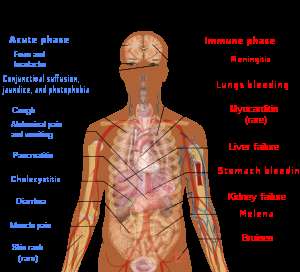
Gastroesophageal reflux disease (GERD) results when stomach acid frequently flows back into the esophagus causing irritation. Accurate diagnosis ensures effective management strategies are employed since GERD can severely affect daily activities if untreated over time!
- Main symptoms often encompass persistent heartburn occurring post meals combined occasionally with regurgitation experiences; some patients also report difficulty swallowing!
- The diagnostic process typically involves evaluating symptom patterns initially followed by endoscopy evaluations potentially verifying structural abnormalities necessitating action plans accordingly too!
ANEMIA ASSESSMENT
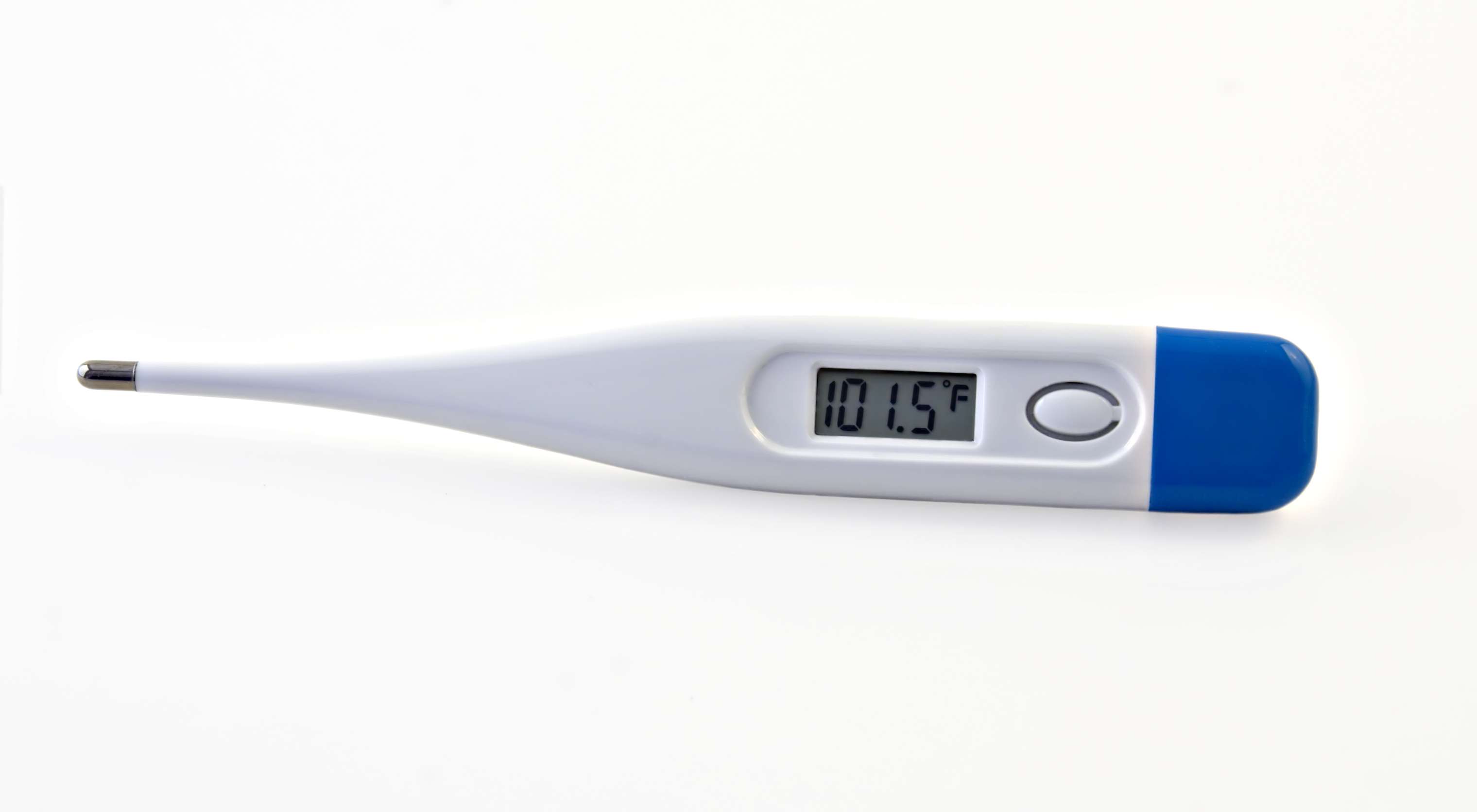
Anemia is characterized by a deficiency in red blood cells or hemoglobin which diminishes oxygen transport throughout the body. Understanding its causes is vital for determining appropriate treatment pathways tailored towards individual patient scenarios.
- The main signs often observed include fatigue, weakness, pale skin tone, or shortness of breath—symptoms that can vary based on severity level among individuals experiencing anemia's effects differently.
- Diagnosis involves complete blood counts along with additional iron studies which help identify specific types of anemia accurately—for example iron deficiency versus aplastic anemia considerations must be made during assessment times as well!
- Treatment might entail iron supplementation if due to deficiency resulting from dietary insufficiencies; vitamin B12 injections could be necessary where deficits occur due either intrinsic factors impacting absorption processes more broadly across systems within our bodies too!
Easily manageable when caught early enough—understanding anemia sparks empowered patients who take charge actively over their own healthcare journeys rather than feeling helpless against unfavorable conditions!
THYROID DYSFUNCTION EVALUATION
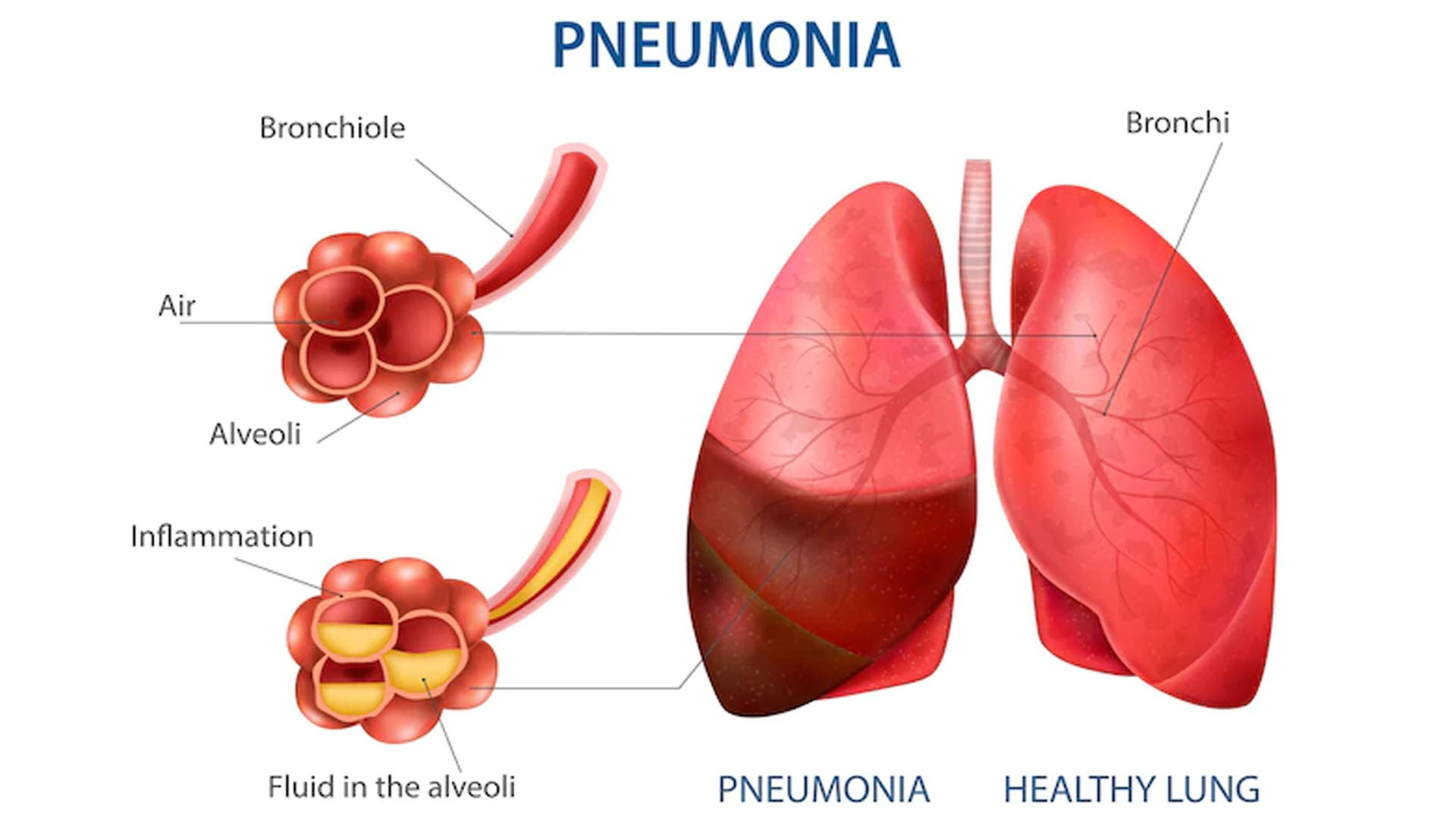
Thyroid dysfunction encompasses various disorders relating to an underactive (hypothyroidism) or overactive (hyperthyroidism) thyroid gland. Proper evaluation is crucial for accurate diagnosis and effective management strategies tailored to each individual’s needs.
- Common symptoms can vary widely but may include weight changes, fatigue, hair loss, or temperature sensitivity depending on the type of dysfunction present.
- A comprehensive evaluation typically involves blood tests assessing TSH (thyroid-stimulating hormone), T3, T4 levels alongside imaging studies if necessary for structural analysis of the gland itself.
- Treatment plans may range from medication regimes that normalize hormone production to lifestyle adjustments supporting overall well-being; sometimes surgical intervention could be required based on severity and patient choice.
Catching thyroid disorders early ensures timely treatment can help alleviate symptoms effectively while improving quality of life overall.
HYPERLIPIDEMIA TREATMENT
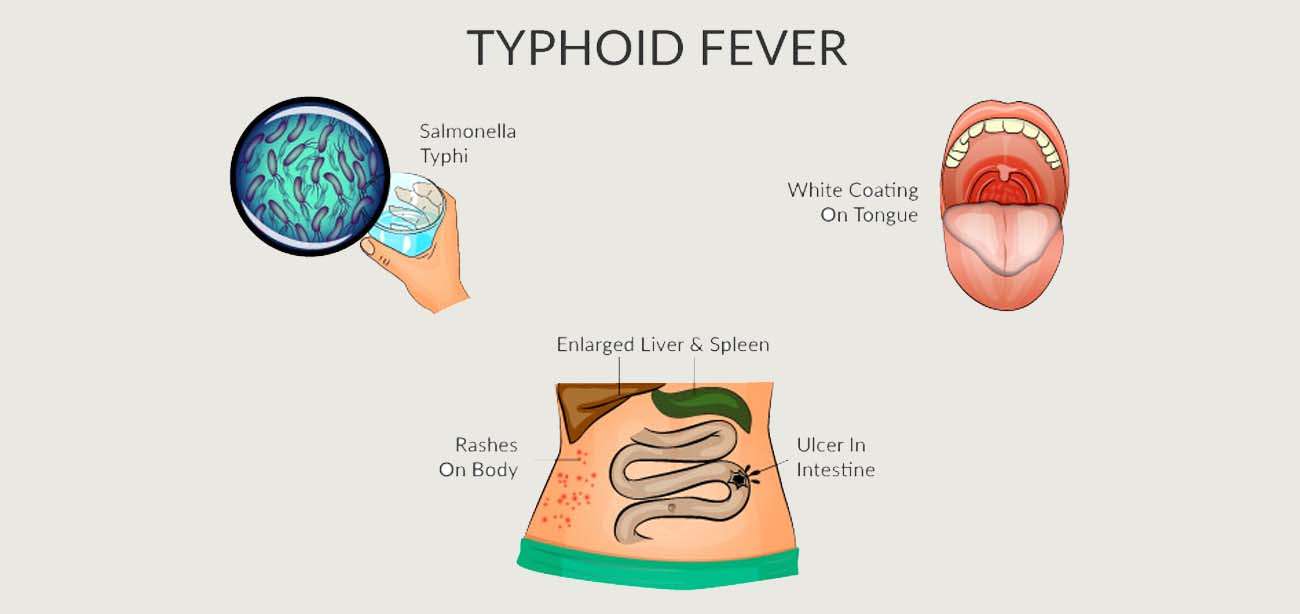
Hyperlipidemia refers to elevated levels of lipids (fats) in the bloodstream, which increase the risk of heart disease and stroke. This condition requires careful assessment to determine the appropriate treatment approach based on individual risk factors.
- The primary indicators of hyperlipidemia often include high cholesterol levels found through routine lipid panels during blood tests.
- Some people may not show symptoms until they develop serious cardiovascular conditions; therefore regular screening is advised for at-risk populations.
- Treatment options generally involve dietary changes aimed at reducing saturated fat intake while increasing physical activity; statins are commonly prescribed medications to lower cholesterol levels effectively.
- Lifestyle modifications combined with pharmaceuticals significantly improve lipid profiles over time, enhancing cardiovascular health dramatically.
A proactive approach in managing hyperlipidemia helps maintain heart health and reduces long-term risks associated with this condition.
DIABETES SCREENING
Diabetes is a chronic condition that affects how the body processes glucose. Early detection through screening is essential in preventing complications associated with both Type 1 and Type 2 diabetes. Understanding risk factors can guide when screening should begin.
- The most common symptoms of diabetes include increased thirst, frequent urination, fatigue, and blurred vision.
- Diagnosis is confirmed through blood tests like fasting blood glucose or HbA1c levels which measure long-term glucose control.
- If diagnosed early, diabetes management may focus on lifestyle changes including diet and exercise; insulin therapy or oral medications might be necessary depending on the type of diabetes.
- Continuous monitoring of glucose levels is vital in preventing hypoglycemic episodes or diabetes-related complications over time.
Screening for diabetes regularly is a proactive step towards maintaining optimal health and preventing severe health issues downstream.
HYPERTENSION MANAGEMENT
Hypertension, or high blood pressure, is a common yet serious health condition that can lead to significant complications if left untreated. It often develops over many years and may not manifest noticeable symptoms. Regular monitoring and assessment are crucial in managing this condition effectively.
- Symptoms of hypertension can include headaches, shortness of breath, and nosebleeds, but many individuals experience no symptoms at all.
- Diagnosis typically involves measuring blood pressure using a sphygmomanometer, along with routine tests such as blood tests to assess for underlying causes.
- Treatment may involve lifestyle changes like diet modifications and increased physical activity, complemented by medications such as diuretics or ACE inhibitors.
- Regular follow-up appointments are important to adjust medications as needed and monitor for any potential side effects.
- Managing hypertension can significantly reduce the risk of heart attack, stroke, and kidney disease.
Recognizing and addressing high blood pressure early can lead to effective management and improved overall health outcomes.