
Dr Snehil Mishra
About Me
Dr Snehil Mishra
Cardiologist
Biography
My Clinic
OPD Hours
| Tuesday | Morning | 10:00 AM | - | 02:00 PM |
| Evening | 06:00 PM | - | 09:00 PM | |
| Wednesday | Morning | 10:00 AM | - | 02:00 PM |
| Evening | 06:00 PM | - | 09:00 PM | |
| Thursday | Morning | 10:00 AM | - | 02:00 PM |
| Evening | 06:00 PM | - | 09:00 PM | |
| Friday | Morning | 10:00 AM | - | 02:00 PM |
| Evening | 06:00 PM | - | 09:00 PM | |
| Saturday | Morning | 10:00 AM | - | 02:00 PM |
| Evening | 06:00 PM | - | 09:00 PM | |
| Sunday | Morning | 10:00 AM | - | 02:00 PM |
| Evening | 06:00 PM | - | 09:00 PM | |
| Thursday | Morning | 10:00 AM | - | 02:00 PM |
| Evening | 06:00 PM | - | 09:00 PM |
Treatments
Specialised care and treatments offered
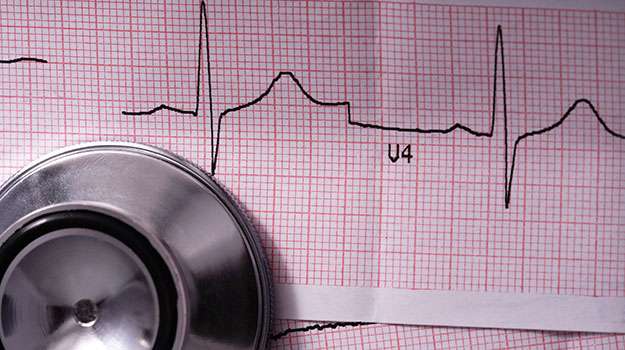
ELECTROCARDIOGRAM (ECG)

An electrocardiogram (ECG) records the electrical signals in your heart over time. This fundamental test provides insights into your heart's rhythm and electrical activity which are crucial indicators of overall cardiovascular health...
- Symptoms That Lead To Usage : An ECG may be ordered when patients report unusual sensations such as fatigue along with dizziness which could signify underlying disorders affecting regular heartbeat functionality.
- How Diagnosis Is Performed : Through adhesive electrodes placed at strategic points across your torso/limbs - real-time tracings showcasing variances become visibly apparent thus allowing diagnosis opportunities too..
- Treatment Considerations Based On Results : Finding abnormalities could necessitate follow-up tests needing further management recommendations including medication regimens aimed at stabilizing identified issues...
- What Customers Should Anticipate : Overall duration lasts approximately 10-15 minutes without discomfort involved - rapid efficient assessments pave way toward healthier living aims ahead!
The ECG examination remains integral part worth discussing frequently due benefit it brings towards nurturing robust cardiac environments...
CARDIAC CATHETERIZATION
This minimally invasive procedure involves threading a thin tube (catheter) through blood vessels to the coronary arteries. It helps diagnose and potentially treat various cardiovascular conditions simultaneously through imaging techniques like angiography.
- The procedure typically requires local anesthesia; patients might feel some pressure but usually no significant pain throughout its course.
- Symptom Associations : Commonly indicated for chest pain evaluation or symptoms related to severe coronary artery disease..
- Diagnostic Insights : Enables visualization of blockages within arteries to aid treatment decisions effectively if any narrowing's present.
- Treatment Protocols : If blockages are found during this intervention therapeutics such as balloon angioplasty with stenting can be performed immediately.
- Recovery Outlook : Post-procedure recovery generally entails several hours of monitoring before discharge home after ensuring stable vitals.
This method serves an indispensable role not only for diagnosing but also facilitating immediate interventions when necessary..
HOLTER MONITOR
A Holter monitor is a portable device worn by patients to continuously record their heart's electrical activity for 24-48 hours. This monitoring provides detailed insight into heart rhythms over time, especially during daily activities.
- Symptom Indications: Often recommended for those experiencing palpitations or syncope (fainting) episodes without clear cause during traditional examinations.
- Diagnosis Procedure: The data captured can reveal intermittent arrhythmias that may not appear during standard tests conducted in a doctor's office setting.
- Treatment Options: Results can lead to medication adjustments or more invasive procedures based on observed patterns of heartbeat irregularities detected by the monitor.
- Anticipation During Use: Patients usually wear the device comfortably under clothing while going about their daily routines without major restrictions on activities except showers and swimming.
This diagnostic approach enhances understanding of complex cardiac conditions efficiently throughout typical daily life scenarios.
CHEST X-RAY
A chest X-ray is a quick imaging tool that helps visualize the structures within the thorax including the lungs, heart, and blood vessels. It provides essential information regarding cardiac size and lung condition.
- Symptoms: Doctors often order this test if patients present with persistent coughs or unexplained chest discomfort.
- Diagnostic Process: The X-ray allows visualization of potential issues such as fluid around the heart or lungs which could signal various cardiac complications.
- Treatment Planning: Based on findings from the X-ray, treatment options may include medications or further diagnostic studies like CT scans for greater detail.
- Expectation During Procedure: The procedure involves minimal discomfort and takes only a few minutes while patients stand in front of an X-ray machine.
This common diagnostic tool plays a critical role in initial assessments of cardiovascular issues.
STRESS TESTING
A stress test measures how well your heart functions during physical activity or stress. It can reveal issues that may not be evident when the body is at rest and plays a key role in evaluating cardiovascular health.
- Symptoms: Indications for a stress test often include unexplained chest pain or shortness of breath during exertion.
- How It Is Diagnosed: By monitoring the heart’s activity through ECG alongside physical exertion, doctors can identify abnormalities in heart rhythms or blood flow.
- Treatment Management: Based on results, recommendations may range from exercise prescriptions to invasive procedures like angioplasty if serious blockages are found.
- What to Expect: Patients might exercise on a treadmill while heart rate and rhythm are closely monitored for any irregularities.
This testing is essential for assessing both existing conditions and overall cardiovascular fitness.
ECHOCARDIOGRAM
An echocardiogram is a vital diagnostic test that uses sound waves to create images of the heart. This non-invasive procedure helps physicians assess the heart's structure and function, making it invaluable in identifying cardiac conditions.
- Symptoms: Patients may undergo an echocardiogram if they exhibit symptoms like shortness of breath, chest pain, or irregular heartbeats.
- Diagnosis: It is primarily used to evaluate conditions such as valve diseases, congenital heart defects, or cardiomyopathy.
- Treatment Options: Depending on the findings, treatment might involve lifestyle changes, medications, or surgical interventions.
- What to Expect: The procedure typically lasts about 30-60 minutes and is painless. Patients are advised to lie still as images are captured.
This test is crucial for understanding heart health and guiding further management strategies.