
Dr Somesh Gupta
About Me
Dr Somesh Gupta
MBBS
Nephrologist
10 Years Experience
Biography
My Clinic
OPD Hours
| Monday | Morning | 10:00 AM | - | 02:00 PM |
| Evening | 06:00 PM | - | 09:00 PM | |
| Tuesday | Morning | 10:00 AM | - | 02:00 PM |
| Evening | 06:00 PM | - | 09:00 PM | |
| Wednesday | Morning | 10:00 AM | - | 02:00 PM |
| Evening | 06:00 PM | - | 09:00 PM | |
| Thursday | Morning | 10:00 AM | - | 02:00 PM |
| Evening | 06:00 PM | - | 09:00 PM | |
| Friday | Morning | 10:00 AM | - | 02:00 PM |
| Evening | 06:00 PM | - | 09:00 PM | |
| Saturday | Morning | 10:00 AM | - | 02:00 PM |
| Evening | 06:00 PM | - | 09:00 PM | |
| Sunday | Morning | 10:00 AM | - | 02:00 PM |
| Evening | 06:00 PM | - | 09:00 PM |
Treatments
Specialised care and treatments offered
PERITONEAL DIALYSIS AS A RENAL REPLACEMENT THERAPY
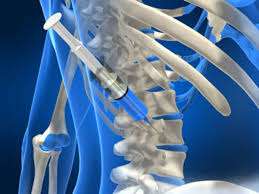
An alternative treatment for severe kidney failure where cleansing of waste products occurs inside the abdomen rather than using an external machine like hemodialysis does.
- The procedure involves introducing sterile dialysis fluid into the peritoneal cavity through a catheter implanted surgically;
- This fluid absorbs toxins & excess fluids from bloodstream via peritoneal membrane;
- Treatment offers flexibility allowing patients greater independence performing exchanges at home;
- Candidates require training on aseptic technique & catheter care to minimize infection risks;
- This modality suits many but demands careful monitoring by nephrologists for adequacy & complications;
- The regimen commonly improves quality of life compared with hemodialysis due to less dietary restriction & greater mobility;
This therapy continues evolving improving patient convenience while maintaining effective solute clearance tailored individually based on residual function status.
POLYCYSTIC KIDNEY DISEASE MONITORING

This inherited condition leads to multiple cysts developing in the kidneys that can enlarge organs over time causing reduced function and discomfort.
- The usual manual: Abdominal ultrasound or MRI scans reveal size/number of cysts helping gauge disease burden .
- Symptoms : Include abdominal pain , urinary tract infections , hypertension often attributed to cyst growth .
- Treatment : Primarily supportive focusing on managing symptoms , controlling blood pressure , encouraging hydration , avoiding nephrotoxins .
- Prognosis : Though progressive , early intervention including routine monitoring slows decline delaying end-stage renal disease requiring dialysis .
Understanding this condition’s natural history aids patients adapting lifestyle choices aligned with preserving residual renal capacity .
MANAGEMENT OF NEPHROTIC SYNDROME

The nephrotic syndrome is characterized by excessive protein loss in urine due to increased permeability in the kidney's filtering units.
- Presents typically with: Swelling (especially around eyes and legs), foamy urine resulting from high protein content.
- Diagnostic approach includes: Urinalysis confirming proteinuria, blood tests evaluating albumin levels, lipid profile checks since cholesterol tends to elevate.'
GLOMERULONEPHRITIS EVALUATION AND MANAGEMENT

This group of disorders involves inflammation of the glomeruli – filters within the kidneys – which can impair their ability to cleanse the blood properly.
- Causative factors: May be triggered by infections, autoimmune diseases, or unknown origins leading to inflammation.
- Diagnostic methods: Blood work for kidney function markers, urine tests for protein or blood presence, and occasionally kidney biopsy are used for precise diagnosis.
- Treatment approaches: Often involves immunosuppressive drugs along with supportive measures like blood pressure control.
- Patient prognosis: Early treatment improves chances of preserving renal function but requires close monitoring due to potential relapses or complications.
A carefully tailored plan based on severity helps manage symptoms and protect kidneys from irreversible damage in many cases.
HYPERTENSION-RELATED KIDNEY CARE

High blood pressure is a major contributor to kidney damage, making specialized care essential for preserving renal health.
- Recognizing impact: Elevated blood pressure may strain kidneys silently until complications arise.
- Assessment tools: Includes regular monitoring of blood pressure alongside tests like urine protein measurement to detect kidney stress.
- Treatment strategies: Blood pressure control with antihypertensive medications tailored to protect kidneys, plus lifestyle advice such as low-sodium diet and exercise.
- Expected outcomes: Effective management reduces risk of worsening kidney function and cardiovascular events.
A targeted approach addressing high blood pressure helps reduce the risk of long-term kidney impairment effectively.
CHRONIC KIDNEY DISEASE (CKD) MANAGEMENT

Chronic Kidney Disease is a progressive condition where kidney function deteriorates over time, potentially leading to kidney failure if untreated.
- Symptoms and causes: Often silent early on, symptoms may include fatigue, swelling, and changes in urination. Common causes are diabetes and hypertension.
- Diagnosis: Blood tests measuring creatinine and estimated glomerular filtration rate (eGFR), along with urine analysis, aid in detecting kidney damage.
- Treatment options: Focuses on controlling underlying causes through medication, diet changes, and lifestyle modification to delay progression.
- Monitoring: Regular follow-up with labs helps assess disease stability or progression for timely intervention adjustments.
Early detection and careful management of CKD can significantly improve quality of life and slow kidney damage over time.