
DR Sonal Arora
About Me
DR Sonal Arora
Cardiologist
Biography
My Clinic
OPD Hours
| Tuesday | Morning | 10:00 AM | - | 02:00 PM |
| Evening | 06:00 PM | - | 09:00 PM | |
| Wednesday | Morning | 10:00 AM | - | 02:00 PM |
| Evening | 06:00 PM | - | 09:00 PM | |
| Thursday | Morning | 10:00 AM | - | 02:00 PM |
| Evening | 06:00 PM | - | 09:00 PM | |
| Friday | Morning | 10:00 AM | - | 02:00 PM |
| Evening | 06:00 PM | - | 09:00 PM | |
| Saturday | Morning | 10:00 AM | - | 02:00 PM |
| Evening | 06:00 PM | - | 09:00 PM | |
| Sunday | Morning | 10:00 AM | - | 02:00 PM |
| Evening | 06:00 PM | - | 09:00 PM | |
| Thursday | Morning | 10:00 AM | - | 02:00 PM |
| Evening | 06:00 PM | - | 09:00 PM |
Treatments
Specialised care and treatments offered
CHOLESTEROL MANAGEMENT

Efficacious cholesterol management plays an essential part in maintaining cardiovascular health. High cholesterol levels can lead directly to conditions like arteriosclerosis but can be managed effectively through lifestyle changes and medical interventions if necessary.
TRANSCATHETER AORTIC VALVE REPLACEMENT (TAVR)
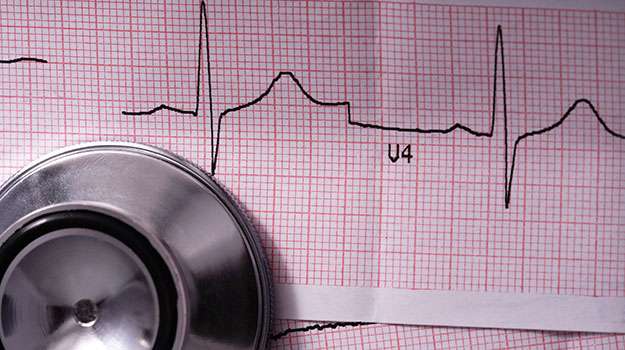
TAVR is a revolutionary approach for treating severe aortic stenosis without open-heart surgery. This catheter-based method offers reduced recovery times and less postoperative pain compared to traditional surgery methods.
- Aortic stenosis may present with symptoms such as chest pain, shortness of breath during exertion, and lightheadedness due to compromised blood flow from a narrowed valve opening.
- A diagnostic echocardiogram provides insight into valve structure and informs treatment planning based on severity levels observed during testing.
- The TAVR procedure involves guiding a new valve through arteries and implanting it within the existing damaged valve structure without removing it outright.
- Patiens can expect rapid improvement post-operation; many report enhanced activity levels within weeks as they adapt post-TAVR lifestyle changes necessary for optimal health maintenance moving forward.
PACEMAKER IMPLANTATION
A pacemaker implantation is a vital procedure for those experiencing serious bradycardia (slow heartbeat). The device helps maintain a regular heartbeat, ensuring sufficient blood circulation throughout the body.
- Symptoms such as dizziness, fainting spells, or extreme fatigue may signal the need for this intervention due to inadequate heart rate control.
- This condition is diagnosed through an
HEART VALVE REPAIR AND REPLACEMENT
The repair or replacement of heart valves is essential for those suffering from severe valve disease. These procedures can alleviate symptoms such as fatigue or shortness of breath caused by ineffective valve function.
- Common signs include swelling, unusual heart sounds (murmurs), or changes in exercise tolerance due to impaired blood flow.
- Diagnostic imaging like Echocardiograms, together with physical exams, help determine valve health and functionality.
- Surgical options include repairing damaged valves or replacing them with mechanical or biological alternatives when necessary.
- Post-surgery recovery varies; however, most patients experience substantial improvements in their overall well-being and cardiac function over time.
This surgical intervention plays an important role in enhancing quality of life for individuals with significant valve issues.
ATRIAL FIBRILLATION ABLATION
Atrial fibrillation (AFib) ablation is a procedure aimed at correcting irregular heartbeats. It is particularly beneficial for patients who experience persistent AFib despite medication, providing a path toward rhythm normalization.
- The main symptoms of AFib include palpitations, dizziness, and fatigue due to inefficient heart function.
- A thorough diagnosis usually includes an Echocardiogram and monitoring via an ECG to examine heart activity during episodes.
- The treatment involves using radiofrequency energy or cryotherapy to destroy areas of tissue that are causing abnormal electrical signals in the heart.
- After the ablation, patients often report improved quality of life with fewer episodes of AFib and may reduce their reliance on medications.
This intervention has shown significant success in restoring normal heart rhythms for many patients.
CORONARY ANGIOPLASTY
Coronary angioplasty is a minimally invasive procedure used to open blocked coronary arteries. This technique helps restore blood flow to the heart muscle, improving oxygen delivery and reducing symptoms of angina.
- Symptoms may include chest pain, shortness of breath, or fatigue, often indicating reduced blood supply to the heart.
- Diagnosis typically involves coronary angiography, an imaging test that allows visualization of the coronary arteries to identify blockages.
- Treatment options include angioplasty, where a small balloon is inflated at the blockage site, often accompanied by the placement of a stent to keep the artery open.
- Post-procedure, patients can expect some discomfort but should notice significant improvement in symptoms shortly after recovery.
This procedure offers an effective solution for managing coronary artery disease and mitigating related risks.