
Dr Sonia’s Sonogr
About Me
Dr Sonia’s Sonogr
MD
Radiologist
10 Years Experience
Biography
My Clinic
OPD Hours
| Monday | Morning | 10:00 AM | - | 02:00 PM |
| Evening | 06:00 PM | - | 09:00 PM | |
| Tuesday | Morning | 10:00 AM | - | 02:00 PM |
| Evening | 06:00 PM | - | 09:00 PM | |
| Wednesday | Morning | 10:00 AM | - | 02:00 PM |
| Evening | 06:00 PM | - | 09:00 PM | |
| Thursday | Morning | 10:00 AM | - | 02:00 PM |
| Evening | 06:00 PM | - | 09:00 PM | |
| Friday | Morning | 10:00 AM | - | 02:00 PM |
| Evening | 06:00 PM | - | 09:00 PM | |
| Saturday | Morning | 10:00 AM | - | 02:00 PM |
| Evening | 06:00 PM | - | 09:00 PM | |
| Sunday | Morning | 10:00 AM | - | 02:00 PM |
| Evening | 06:00 PM | - | 09:00 PM |
Services
Specialised care and treatments offered
INTERVENTIONAL RADIOLOGY PROCEDURES
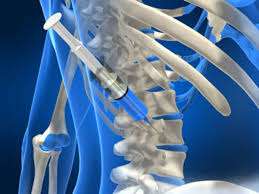
This field encompasses minimally invasive techniques guided by imaging technologies such as ultrasound or fluoroscopy. Interventional radiology provides innovative alternatives for surgical treatments effectively addressing various health concerns while minimizing recovery times compared conventional approaches do offer today’s patients more choices than ever before!
- Symptoms/Causes: Conditions treated range widely—from vascular occlusions requiring stenting placements towards treating tumors accessible via percutaneous means without major surgeries!
- Diagnosis: These procedures begin after radiologists evaluate reports indicating potential issues arising shown upon investigations performed analyzing comprehensively recorded data usually leading onto next steps needed responsibly undertaken afterwards.
- Treatment Options: For instance; radiofrequency ablation therapy destroys cancerous cells precisely targeting them whilst sparing surrounding healthy tissues resulting favorable outcomes enhancing long-term survivorship rates immensely impacting those affected thereby positively affecting their lives’ qualities over time frames ahead.
- What To Expect: Patients often feel secure knowing every aspect has been thoroughly planned beforehand allowing quick recoveries socialization saved thus reducing stressors accompanying hospitalizations periods entirely.
Overall this innovative division revolutionizes traditional paradigms aimed creating successful partnerships supporting diverse populations receiving emerging technologies reshaping historical contexts pushing positive societal impacts forward swiftly through collaborative mechanisms enacted wisely each day everywhere found globally too!
PET SCAN (POSITRON EMISSION TOMOGRAPHY)
A PET scan is an advanced imaging method that shows how your tissues and organs are functioning. By utilizing radioactive tracers injected into the bloodstream, this test reveals metabolic processes that standard imaging cannot capture effectively yet plays a critical role in cancer diagnosis and management strategies
- Symptoms/Causes: PET scans are commonly indicated when assessing metastatic diseases as well as unexplained weight loss or chronic fatigue syndromes affecting quality life levels.
- Diagnosis: The process starts with tracer administration followed by scanning while lying still; specialized equipment detects emissions released from cells' metabolic activity.
- Treatment Options: While PET scans do not treat illness directly; results guide oncologists' therapy plans significantly thereby directing effective treatments post-diagnosis.
- What to Expect: Patients typically experience only slight discomfort associated with IV insertion; however; overall preparation remains relatively straightforward involving hydration prior appointments.
Given their sensitivity towards disease detection early stages; these investigations foster improved prognostic outcomes facilitating personalized care paths via targeted treatments implemented timely manner based on thorough evaluations obtained
FLUOROSCOPY

The fluoroscopy technique provides real-time imaging of internal structures using X-rays. By allowing healthcare providers to observe movement within the body continuously, it is particularly valuable in assessing gastrointestinal disorders and guiding certain interventional procedures.
- Symptoms/Causes: It often assists in evaluating conditions like swallowing difficulties or bowel obstructions through dynamic visualization of organ function.
- Diagnosis: During fluoroscopy, patients may ingest contrast material that enhances visibility during imaging processes as they perform prescribed movements or activities under observation.
- Treatment Options: This method can also facilitate procedures like catheter placement or joint injections by providing visual guidance directly during intervention activities.
- What to Expect: Patients may feel some discomfort when swallowing contrast materials but will be monitored closely throughout their examination for both safety and comfort levels.
This method delivers critical timely information that aids healthcare professionals in making prompt clinical decisions tailored to individual patient needs.
CT SCAN (COMPUTED TOMOGRAPHY)

A CT scan combines X-ray measurements taken from different angles and uses computer processing to create cross-sectional images of specific areas in the body. This advanced imaging technique helps in diagnosing a wide range of conditions more efficiently than traditional X-rays alone.
- Symptoms/Causes: It might be recommended for patients experiencing trauma, abdominal pain, or cancer screening due to its ability to visualize complex structures clearly.
- Diagnosis: The process involves lying on a table that moves through a circular scanner which captures numerous images rapidly.
- Treatment Options: Although CT scans are diagnostic tools rather than treatment methods, they inform subsequent medical decisions regarding patient care.
- What to Expect: Many patients find the procedure quick and painless but may hear buzzing noises from the machine during scanning.
This technology plays an integral role in modern medicine by offering deeper diagnostic capabilities for various medical issues.
MRI (MAGNETIC RESONANCE IMAGING)

MRI is a powerful imaging technique that uses strong magnets and radio waves to create detailed images of organs and tissues inside the body. It provides high-resolution pictures, making it an essential tool in diagnosing health problems without exposure to ionizing radiation.
- Symptoms/Causes: MRI scans are often recommended for persistent pain, swelling, or unexplained neurological symptoms.
- Diagnosis: The examination typically involves lying still within a tube-shaped machine while images are captured from multiple angles.
- Treatment Options: Although MRI itself is not a treatment modality, it aids in planning further therapeutic interventions based on findings.
- What to Expect: Patients may feel some anxiety due to the enclosed space but can communicate with staff throughout the scan for reassurance.
This non-invasive procedure offers invaluable insights into various medical conditions and assists physicians in forming a comprehensive treatment plan.
ULTRASOUND-GUIDED BIOPSY

Ultrasound-guided biopsy is a minimally invasive procedure used to obtain tissue samples from abnormal masses or lesions within the body. Utilizing ultrasound imaging, this technique allows for precise targeting of the area of concern, ensuring that adequate and accurate samples are collected for analysis.
- Symptoms/Causes: Patients may report unexplained lumps or growths, which could be indicative of various conditions, including infections or tumors.
- Diagnosis: The procedure typically begins with a thorough assessment using ultrasound technology to visualize the suspicious area.
- Treatment Options: Following the biopsy, laboratory analysis is conducted to determine if any malignancy is present. Further management depends on the results.
- What to Expect: Most patients can expect mild discomfort during the procedure, but it is generally well-tolerated with minimal recovery time required.
This procedure plays a crucial role in diagnosing diseases accurately and can significantly influence treatment decisions moving forward.