
Dr Sp Sahu
About Me
Dr Sp Sahu
MBBS
Dietitian
10 Years Experience
Biography
My Clinic
OPD Hours
| Monday | Morning | 10:00 AM | - | 02:00 PM |
| Evening | 06:00 PM | - | 09:00 PM | |
| Tuesday | Morning | 10:00 AM | - | 02:00 PM |
| Evening | 06:00 PM | - | 09:00 PM | |
| Wednesday | Morning | 10:00 AM | - | 02:00 PM |
| Evening | 06:00 PM | - | 09:00 PM | |
| Thursday | Morning | 10:00 AM | - | 02:00 PM |
| Evening | 06:00 PM | - | 09:00 PM | |
| Friday | Morning | 10:00 AM | - | 02:00 PM |
| Evening | 06:00 PM | - | 09:00 PM | |
| Saturday | Morning | 10:00 AM | - | 02:00 PM |
| Evening | 06:00 PM | - | 09:00 PM | |
| Sunday | Morning | 10:00 AM | - | 02:00 PM |
| Evening | 06:00 PM | - | 09:00 PM |
Treatments
Specialised care and treatments offered
NUTRITION THERAPY IN GASTROINTESTINAL DISORDERS

The role of nutrition in managing gastrointestinal (GI) disorders is indispensable. Tailored dietary interventions alleviate symptoms while promoting mucosal healing in various GI conditions such as inflammatory bowel disease (IBD) or irritable bowel syndrome (IBS).
NUTRITIONAL MANAGEMENT OF CHRONIC KIDNEY DISEASE

Nutritional care is critical in managing chronic kidney disease (CKD) by slowing progression and mitigating symptoms. Specific dietary modifications reduce kidney workload effectively through attentive nutrient control.
WEIGHT MANAGEMENT COUNSELING
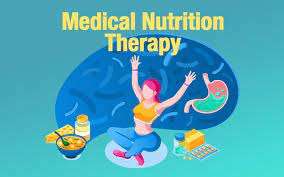
A healthy weight significantly influences overall wellbeing. Weight management counseling addresses obesity and related disorders through evidence-based nutritional strategies combined with behavioral modification techniques.
- Causal factors: Genetic predisposition, sedentary lifestyle, poor eating habits contribute commonly to weight gain challenges.
- Evidentiary diagnosis:A thorough health evaluation including BMI calculations guides treatment planning.
- Treatment focus areas:The approach involves calorie reduction plans balanced with nutrient adequacy alongside psychological support for sustainable change.
- Outcome expectations : Patients typically benefit from gradual weight loss improving cardiovascular risks and metabolic health parameters .
Behavioral counseling helps address emotional triggers linked to overeating enhancing long-term success rates .
PARENTERAL NUTRITION THERAPY
Certain severe medical conditions necessitate bypassing the digestive system entirely. Parenteral nutrition, also known as intravenous feeding, provides complete nutritional support directly into the bloodstream.
- Main indications: Intestinal failure, severe pancreatitis, or post-surgical bowel dysfunction may require this intervention.
- Diagnostic criteria: Evaluation includes identifying malabsorption or obstruction precluding enteral feeding feasibility.
- Treatment specifics: Customized mixtures of amino acids, glucose, lipids, electrolytes, vitamins, and minerals are administered carefully through central venous access.
- Cautionary steps: Continuous monitoring of metabolic parameters is essential to avoid complications like infection or liver dysfunction.
This therapy plays an invaluable role in sustaining patients when conventional nutrition routes are compromised temporarily or long-term.
ENTERAL NUTRITION SUPPORT
For individuals unable to meet their nutritional needs orally due to illness or surgery, enteral nutrition support offers a vital alternative. It involves delivering nutrients directly into the gastrointestinal tract via feeding tubes.
- Causative scenarios: Conditions such as stroke, cancer, or gastrointestinal disorders may impair swallowing or digestion.
- Assessment and diagnosis: Nutritional risk screening alongside clinical evaluation determine suitability for enteral feeding.
- Treatment modalities: Types include nasogastric tube feeding or percutaneous endoscopic gastrostomy depending on duration and patient status.
- Nutritional formulation: Specialized formulas tailored to caloric and micronutrient requirements are used to prevent deficiencies.
- Pitfalls and monitoring: Regular monitoring prevents complications such as aspiration pneumonia or tube blockage.
This form of support ensures continuous nourishment supporting recovery while preserving gut integrity whenever possible.
MEDICAL NUTRITION THERAPY FOR DIABETES
Managing diabetes effectively hinges on a well-planned diet tailored to individual needs. Medical nutrition therapy (MNT) is a cornerstone treatment that focuses on controlling blood glucose levels through personalized dietary interventions.
- Causes and symptoms: Diabetes is characterized by elevated blood sugar, often accompanied by increased thirst, frequent urination, and fatigue.
- Diagnosis: Blood tests like fasting glucose and HbA1c confirm the condition.
- Treatment approach: MNT involves calculating carbohydrate intake, balancing macronutrients, and timing meals to optimize glycemic control.
- Lifestyle management: Alongside diet adjustments, physical activity and medication adherence are crucial for success.
- Expected outcomes: Patients typically experience improved blood sugar stability, reduced complications risk, and enhanced quality of life.
This therapy empowers patients with the knowledge to make informed food choices that complement medical treatments for diabetes management.