
Dr SP Singh M
About Me
Dr SP Singh M
MS
Orthopaedic Surgeons
10 Years Experience
Biography
My Clinic
OPD Hours
| Monday | Morning | 10:00 AM | - | 02:00 PM |
| Evening | 06:00 PM | - | 09:00 PM | |
| Tuesday | Morning | 10:00 AM | - | 02:00 PM |
| Evening | 06:00 PM | - | 09:00 PM | |
| Wednesday | Morning | 10:00 AM | - | 02:00 PM |
| Evening | 06:00 PM | - | 09:00 PM | |
| Thursday | Morning | 10:00 AM | - | 02:00 PM |
| Evening | 06:00 PM | - | 09:00 PM | |
| Friday | Morning | 10:00 AM | - | 02:00 PM |
| Evening | 06:00 PM | - | 09:00 PM | |
| Saturday | Morning | 10:00 AM | - | 02:00 PM |
| Evening | 06:00 PM | - | 09:00 PM | |
| Sunday | Morning | 10:00 AM | - | 02:00 PM |
| Evening | 06:00 PM | - | 09:00 PM |
Treatments
Specialised care and treatments offered
KNEE OSTEOTOMY
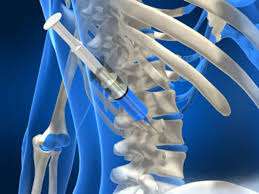
Knee osteotomy is a surgical procedure aimed at realigning bones around the knee joint. This approach can relieve pressure on damaged areas of the cartilage, improving function and reducing pain without requiring total joint replacement initially.
- Symptoms: Typical symptoms include knee pain exacerbated by weight-bearing activities.
- Diagnosis: Diagnosis may involve clinical evaluations alongside X-ray imaging to assess alignment issues.
- Treatment/Management: The procedure typically entails removing a wedge-shaped section of bone; rehabilitation follows carefully after surgery.
- Recovery Expectations: Most patients experience progressive relief over time as they engage with rehabilitation efforts following their procedure.
By effectively redistributing weight across the knee joint, osteotomy aims at delaying further degeneration while maximizing mobility.
TENDINITIS MANAGEMENT
Tendinitis refers to inflammation of a tendon due to overuse or injury. It's commonly seen in athletes but can also affect individuals engaged in repetitive tasks during work or leisure activities.
- Symptoms: Pain near joints during movement is a primary symptom of tendinitis;
PLANTAR FASCIITIS TREATMENT

This common foot condition results in heel pain due to inflammation of the plantar fascia. It often affects individuals who engage in high-impact activities or have foot structure issues.
- Symptoms: The hallmark symptom is sharp heel pain that worsens after periods of rest.
- Diagnosis: A thorough assessment involving a patient history and physical examination aids in diagnosis.
- Treatment/Management: Conservative treatments include stretching exercises, orthotics, and anti-inflammatory medications; surgery is rarely needed.
A proactive management plan can lead to significant improvements in comfort and mobility for those affected by this condition.
CARPAL TUNNEL RELEASE

Cervical radiculopathy is caused by compression of nerve roots in the neck area, leading to pain radiating down the arm. This condition can significantly affect daily activities if left untreated.
- Symptoms: Symptoms may include numbness, tingling, or weakness in the hand or arm.
- Diagnosis: Diagnosis involves clinical evaluation and nerve conduction studies to assess nerve function.
- Treatment/Management: Options range from splinting and activity modification to surgical decompression for severe cases.
A comprehensive approach ensures that patients achieve relief while minimizing long-term impacts on their quality of life.
SHOULDER IMPINGEMENT SYNDROME TREATMENT

This condition occurs when shoulder bones pinch the tendons or bursa, leading to pain and restricted movement. Early intervention is crucial for effective management and recovery.
- Symptoms: Sharp pain during overhead activities is common.
- Diagnosis: Diagnosis typically involves a physical examination and imaging techniques like ultrasound or MRI.
- Treatment/Management: Treatment options include physical therapy, corticosteroid injections, or arthroscopic surgery if conservative methods fail.
- What to Expect: Patients can often expect significant improvement in symptoms with appropriate management strategies.
Keen attention to symptoms allows for timely intervention, enhancing overall outcomes in patients suffering from this syndrome.
ARTHROSCOPIC KNEE SURGERY

Arthroscopic knee surgery is a minimally invasive procedure that offers an effective solution for various knee disorders. This technique involves using a small camera and instruments inserted through tiny incisions, enabling precise diagnosis and treatment.
- Symptoms: Common symptoms include swelling, pain, and limited range of motion.
- Diagnosis: Often diagnosed through physical exams, imaging tests like MRI or X-rays are also utilized.
- Treatment/Management: Depending on the condition, options may include removing damaged tissue or repairing ligaments.
- Recovery: Patients can usually return to normal activities sooner compared to traditional surgery.
This approach not only minimizes recovery time but also reduces the risk of complications associated with larger incisions.