
Dr SS Guglani
About Me
Dr SS Guglani
MBBS
Ophthalmologist
10 Years Experience
Biography
My Clinic
OPD Hours
| Monday | Morning | 10:00 AM | - | 02:00 PM |
| Evening | 06:00 PM | - | 09:00 PM | |
| Tuesday | Morning | 10:00 AM | - | 02:00 PM |
| Evening | 06:00 PM | - | 09:00 PM | |
| Wednesday | Morning | 10:00 AM | - | 02:00 PM |
| Evening | 06:00 PM | - | 09:00 PM | |
| Thursday | Morning | 10:00 AM | - | 02:00 PM |
| Evening | 06:00 PM | - | 09:00 PM | |
| Friday | Morning | 10:00 AM | - | 02:00 PM |
| Evening | 06:00 PM | - | 09:00 PM | |
| Saturday | Morning | 10:00 AM | - | 02:00 PM |
| Evening | 06:00 PM | - | 09:00 PM | |
| Sunday | Morning | 10:00 AM | - | 02:00 PM |
| Evening | 06:00 PM | - | 09:00 PM |
Treatments
Specialised care and treatments offered
PEDIATRIC VISION SCREENING
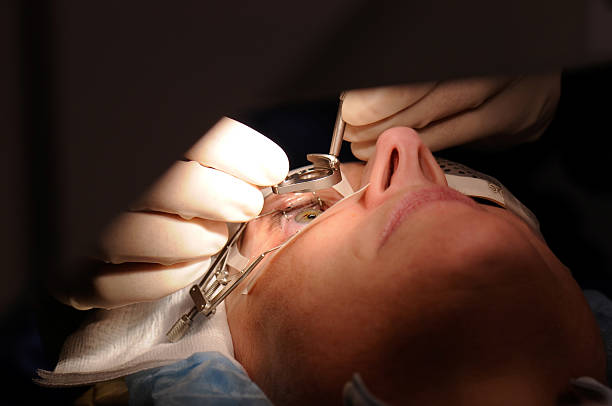
Pediatric eye exams detect issues early in childhood development crucial for preventing long-term visual problems. These screenings focus on identifying common conditions affecting young eyes promptly.
MACULAR DEGENERATION MONITORING
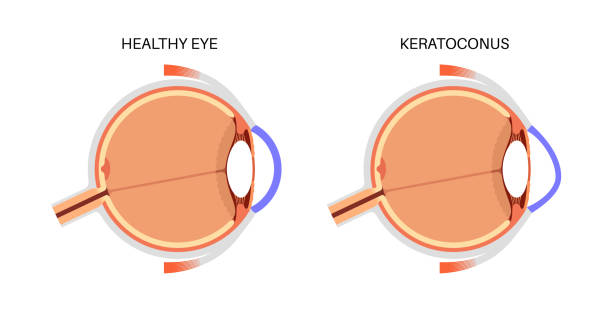
This condition affects central vision due to deterioration of the macula region within the retina. Early recognition through monitoring can slow down its progression using appropriate interventions.
- Evolving Symptoms:: Difficulty reading fine print or recognizing faces as central vision blurs progressively over time. /
CATARACT ASSESSMENT AND SURGICAL PLANNING
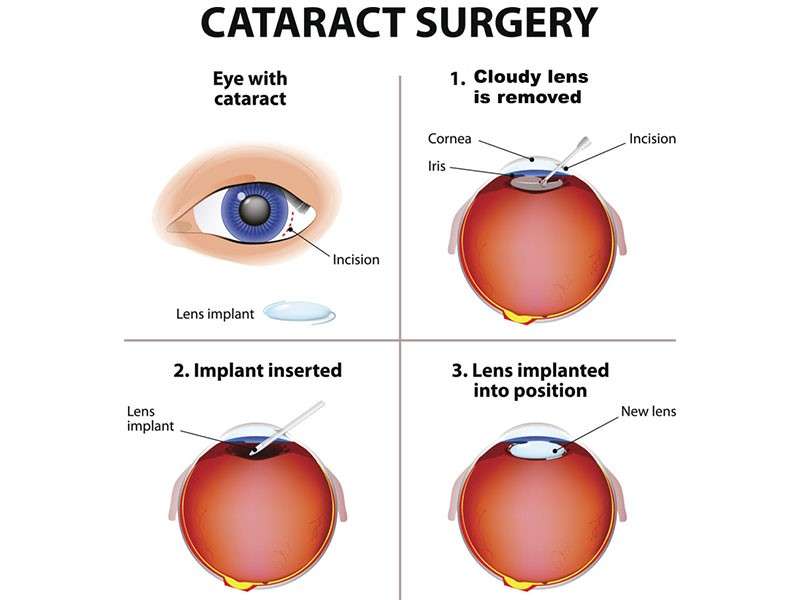
Cataracts cause clouding of the eye’s natural lens leading to decreased visual clarity. Identifying cataracts early allows for appropriate timing of surgical treatment which restores sight effectively.
- Presentation Symptoms: Blurred or dimmed vision, glare sensitivity especially at night, needing brighter light for reading.
- Diagnostic Techniques: Comprehensive eye exams measuring visual acuity along with slit-lamp examination confirm diagnosis extent.
- Surgery Indications: Recommended when cataracts significantly impair daily activities or quality of life deteriorates due to reduced vision clarity.
- Surgical Procedure Overview: Removal of the cloudy lens with implantation of an artificial intraocular lens (IOL).
DIABETIC RETINOPATHY SCREENING
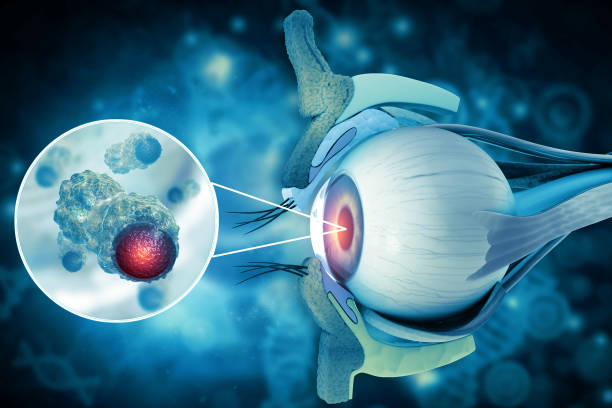
This condition affects individuals with diabetes by damaging retinal blood vessels which may lead to vision impairment if unaddressed. Routine screening is key for early detection and intervention.
- The Risk Factors: Poor blood sugar control over time increases the chance of diabetic retinopathy developing.
- The Screening Process: Fundus photography or dilated eye exams reveal changes in retinal tissue before symptoms arise.
- Treatment Options: Laser therapy, injections of medication into the eye, or surgery are used based on disease stage.
- Lifestyle Importance: Managing diabetes effectively reduces progression risk alongside ophthalmic care.
A proactive screening schedule helps safeguard vision by catching retinal changes early in diabetic patients.
DRY EYE SYNDROME EVALUATION AND CARE
Dry Eye Syndrome occurs when the eyes do not produce enough tears or the tears evaporate too quickly, leading to discomfort and impaired vision quality. Understanding its causes helps in effective management.
- Symptoms: Include irritation, burning sensation, redness, and blurred vision.
- Causes: Can result from environmental factors, aging, certain medications, or underlying medical conditions.
- Assessment Methods: Tear film tests like Schirmer’s test and ocular surface staining help determine severity.
- Treatment Strategies: Range from artificial tears and lifestyle modifications to prescription medications addressing inflammation.
- Follow-Up Care: Monitoring response to treatment ensures symptom relief and prevents complications.
An individualized approach to dry eye improves comfort and preserves eye health over time.
GLAUCOMA SCREENING AND MANAGEMENT
Glaucoma is a group of eye conditions that can cause damage to the optic nerve, often linked to increased intraocular pressure. Early detection through screening is vital to prevent irreversible vision loss.
- Symptoms and Causes: Often asymptomatic in early stages; risk factors include age, family history, and elevated eye pressure.
- Diagnosis: Involves measuring intraocular pressure, evaluating optic nerve health with imaging, and visual field testing.
- Treatment Options: May include prescription eye drops, laser therapy, or surgery to lower eye pressure.
- Management: Regular follow-ups are essential for monitoring progression and adjusting treatment.
- What to Expect: While damage cannot be reversed, treatments effectively slow or halt vision loss when started early.
Consistent glaucoma screening enables timely intervention and protects long-term vision health.