
Dr Subhash Rewad
About Me
Dr Subhash Rewad
MBBS
Therapist
10 Years Experience
Biography
My Clinic
OPD Hours
| Monday | Morning | 10:00 AM | - | 02:00 PM |
| Evening | 06:00 PM | - | 09:00 PM | |
| Tuesday | Morning | 10:00 AM | - | 02:00 PM |
| Evening | 06:00 PM | - | 09:00 PM | |
| Wednesday | Morning | 10:00 AM | - | 02:00 PM |
| Evening | 06:00 PM | - | 09:00 PM | |
| Thursday | Morning | 10:00 AM | - | 02:00 PM |
| Evening | 06:00 PM | - | 09:00 PM | |
| Friday | Morning | 10:00 AM | - | 02:00 PM |
| Evening | 06:00 PM | - | 09:00 PM | |
| Saturday | Morning | 10:00 AM | - | 02:00 PM |
| Evening | 06:00 PM | - | 09:00 PM | |
| Sunday | Morning | 10:00 AM | - | 02:00 PM |
| Evening | 06:00 PM | - | 09:00 PM |
Treatments
Specialised care and treatments offered
BEHAVIORAL THERAPY FOR OBSESSIVE-COMPULSIVE DISORDER (OCD)
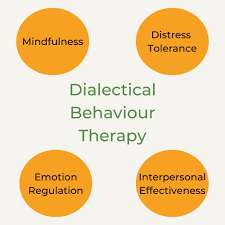
The primary goal in managing Obsessive-Compulsive Disorder involves targeting specific behaviors related to obsessions using evidence-based behavioral therapies. These approaches empower patients to resist compulsive actions progressively improving symptom control over time.
- Description & Causes: OCD presents with persistent intrusive thoughts (obsessions) accompanied by repetitive behaviors (compulsions) which temporarily relieve anxiety. Contributing factors include genetic components alongside environmental stressors.
- Evidencing Diagnosis: Structured clinical interviews evaluate symptom frequency/severity aligned with diagnostic manuals like DSM-5.
- Treatment Modalities: Exposure and Response Prevention (ERP) forms the cornerstone behavioral intervention involving gradual exposure to feared stimuli while preventing ritualistic responses.
- Treatment Outcomes Expectation: Patients generally experience significant reductions in compulsive behavior intensity allowing enhanced daily functioning.
- Addition Support Strategies: Medication may complement therapy in moderate or severe cases improving results.
This therapeutic model equips individuals with practical skills essential for long-term management helping lessen relapse rates substantially compared to no treatment scenarios.
BEHAVIORAL THERAPY FOR OBSESSIVE-COMPULSIVE DISORDER (OCD)
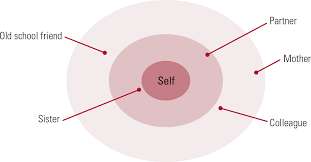
The core aim in treating OCD with behavioral therapy involves reducing compulsions through systematic exposure combined with response prevention techniques. This enhances control over intrusive thoughts behaviors linked to OCD symptoms.
- Main Features & Etiology:The disorder manifests as unwanted repetitive thoughts causing anxiety paired with ritualistic behaviors intended to alleviate it; causes may be neurobiological with psychological influences involved as well.
SUPPORTIVE PSYCHOTHERAPY FOR DEPRESSION
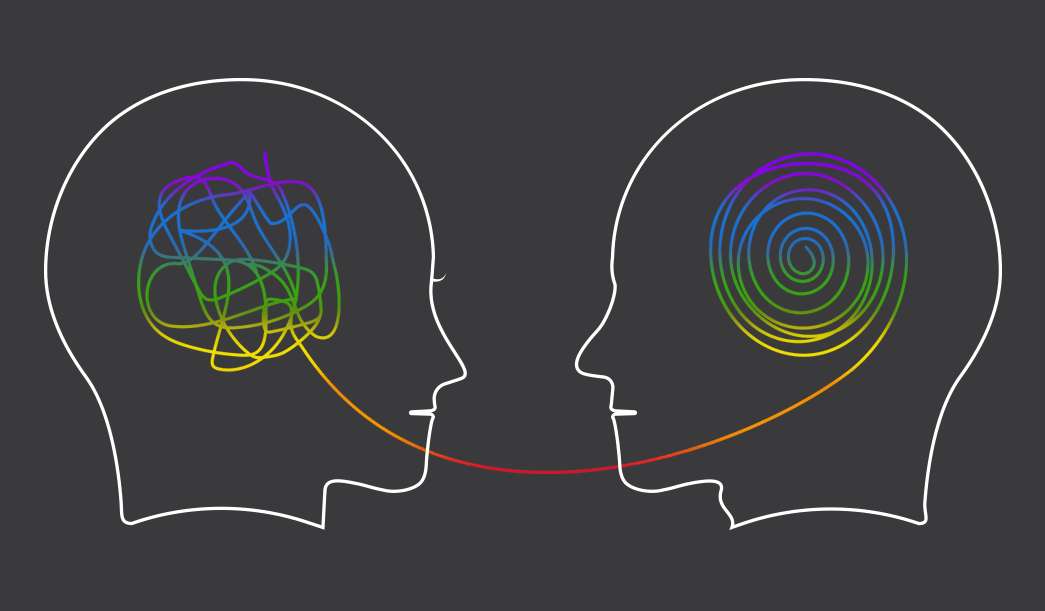
This therapy provides emotional support aimed at strengthening coping mechanisms during depressive episodes. It helps patients navigate life challenges while fostering hopefulness.
- Description & Symptoms: Depression includes persistent sadness, loss of interest, feelings of worthlessness alongside physical symptoms such as altered appetite or energy levels.
- Eliciting Diagnosis: Diagnosed using clinical criteria supported by patient history including symptom duration and impact on daily life.
- Therapeutic Methods: Sessions focus on active listening, encouragement of expression of feelings, problem-solving advice plus reassurance without deep analytic exploration.
- Treatment Response Expectations: Can lead to improved mood stability next steps can include integration with other therapies as needed for ongoing care plans.
This modality is beneficial particularly when immediate relief from distress is needed while building groundwork for further specialized interventions if required.
TREATMENT FOR CHRONIC INSOMNIA
Chronic insomnia involves difficulty initiating or maintaining sleep at least three nights per week over several months. Effective management improves overall health and daytime alertness.
- Signs & Causes: Patients report trouble falling asleep, frequent awakenings or non-restorative sleep caused by stress, medical conditions or lifestyle factors.
- Diagnostic Methods: Sleep diaries, clinical interviews and sometimes polysomnography assist in accurate diagnosis.
- Treatment Strategies: Include cognitive behavioral therapy for insomnia (CBT-I), sleep hygiene education, stimulus control methods, and occasionally short-term pharmacotherapy.
- The Outcome: Progress typically involves better sleep patterns leading to enhanced mood, concentration and decreased daytime fatigue.
This approach addresses root causes rather than only symptoms to promote sustainable healthy sleep habits over time.
MANAGEMENT OF GENERALIZED ANXIETY DISORDER (GAD)
Generalized Anxiety Disorder is characterized by persistent and excessive worry about everyday matters. Treatment aims to reduce symptoms and improve quality of life.
- Symptoms & Causes: Key features include restlessness, fatigue, difficulty concentrating, irritability, muscle tension, and sleep disturbances; causes may involve genetic predisposition and stressful life events.
- Diagnosis: Diagnosis is made via clinical evaluation using criteria from the DSM-5 alongside patient history.
- Treatment Options: Includes a combination of psychotherapy such as CBT, relaxation techniques, and sometimes medication to control symptoms.
- What to Expect: With consistent treatment, individuals often experience reduced anxiety levels enabling better daily functioning and coping strategies.
A comprehensive approach helps those affected regain balance by addressing both emotional symptoms and underlying triggers effectively.
COGNITIVE BEHAVIORAL THERAPY (CBT)
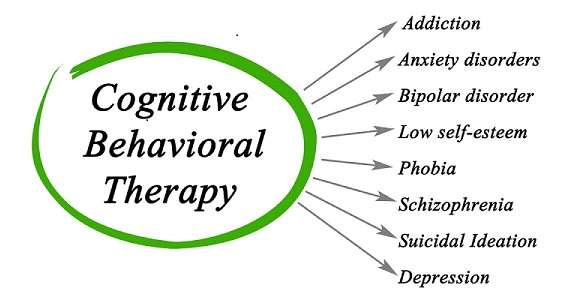
Cognitive Behavioral Therapy (CBT) is a widely used psychological treatment that focuses on identifying and changing negative thought patterns and behaviors. It is effective for a variety of mental health conditions.
- Symptoms & Causes: Often used to address anxiety, depression, phobias, and stress-related disorders triggered by environmental or personal factors.
- Diagnosis: Assessment through detailed clinical interviews and standardized questionnaires helps determine suitability for CBT.
- Treatment Approach: Involves structured sessions where patients learn coping skills, challenge harmful thoughts, and practice behavior modification.
- Expected Results: Patients typically notice improvements in mood and functioning within weeks, with skills that support long-term mental wellness.
This therapy empowers individuals to manage their emotional challenges proactively through evidence-based techniques tailored to personal needs.