
Dr Sucheta Hardik
About Me
Dr Sucheta Hardik
General Physician
Biography
My Clinic
OPD Hours
| Tuesday | Morning | 10:00 AM | - | 02:00 PM |
| Evening | 06:00 PM | - | 09:00 PM | |
| Wednesday | Morning | 10:00 AM | - | 02:00 PM |
| Evening | 06:00 PM | - | 09:00 PM | |
| Thursday | Morning | 10:00 AM | - | 02:00 PM |
| Evening | 06:00 PM | - | 09:00 PM | |
| Friday | Morning | 10:00 AM | - | 02:00 PM |
| Evening | 06:00 PM | - | 09:00 PM | |
| Saturday | Morning | 10:00 AM | - | 02:00 PM |
| Evening | 06:00 PM | - | 09:00 PM | |
| Sunday | Morning | 10:00 AM | - | 02:00 PM |
| Evening | 06:00 PM | - | 09:00 PM | |
| Thursday | Morning | 10:00 AM | - | 02:00 PM |
| Evening | 06:00 PM | - | 09:00 PM |
Treatments
Specialised care and treatments offered
ANEMIA SCREENING
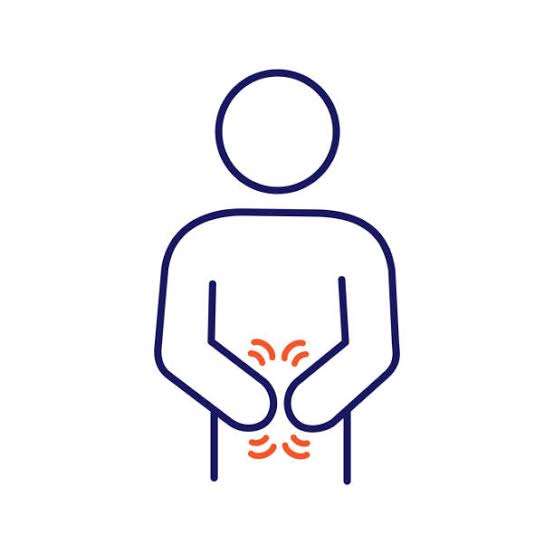
Anemia is a condition marked by low levels of red blood cells leading to insufficient oxygen flow throughout the body. Regular screening is essential since anemia can go unnoticed but might seriously affect well-being if left untreated!
- You might experience fatigue,pale skin,dizziness,and cold extremities among other non-specific indicators signaling potential anemia;
- Blood tests measuring hemoglobin levels serve as primary diagnostic tools;
- Treatment generally varies from dietary changes—including iron-fortified foods—to supplements & medical interventions depending on severity & underlying causes;
Addressing anemia works towards restoring energy levels & enhancing overall vitality—simplifying daily tasks becomes easier once this imbalance corrects itself!
GASTROESOPHAGEAL REFLUX DISEASE (GERD)

This chronic condition arises when stomach acid frequently flows back into the esophagus causing irritation. Recognizing its symptoms early on leads to effective management strategies that enhance quality of life significantly!
- Main symptoms include persistent heartburn, regurgitation of food/sour liquid, difficulty swallowing along with chronic cough or sore throat in some cases;
- A physician will diagnose GERD primarily through symptom evaluation but may recommend an endoscopy if severe complications are suspected;
- Mild cases might be treated successfully with lifestyle modifications such as weight loss & avoiding trigger foods; stronger medications like proton pump inhibitors could be required otherwise;
RESPIRATORY INFECTIONS
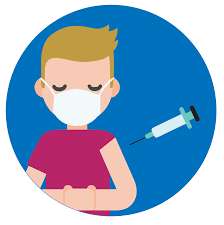
Respiratory infections can affect various parts of the respiratory system; both viral (like colds) and bacterial origins are common causes. Understanding these infections helps in timely treatment and prevention of complications.
- Main symptoms include coughing, sore throat, fever, fatigue, and sometimes difficulty breathing; these can vary based on infection type.
- Diagnosis typically involves clinical assessment along with potential lab tests such as throat swabs or chest X-rays if needed for further evaluation.
- Treatment might include rest and hydration for viral infections or antibiotics if bacteria are implicated. Over-the-counter medications can also alleviate symptoms substantially.
- Prevention includes good hygiene practices like regular hand washing and avoiding close contact with sick individuals for at-risk populations or those prone to respiratory diseases.
If you suspect a respiratory infection has developed or worsened over time, seeking medical advice would be prudent to ensure swift action is taken against it. Early intervention plays a pivotal role in recovery times!
SEASONAL ALLERGIES
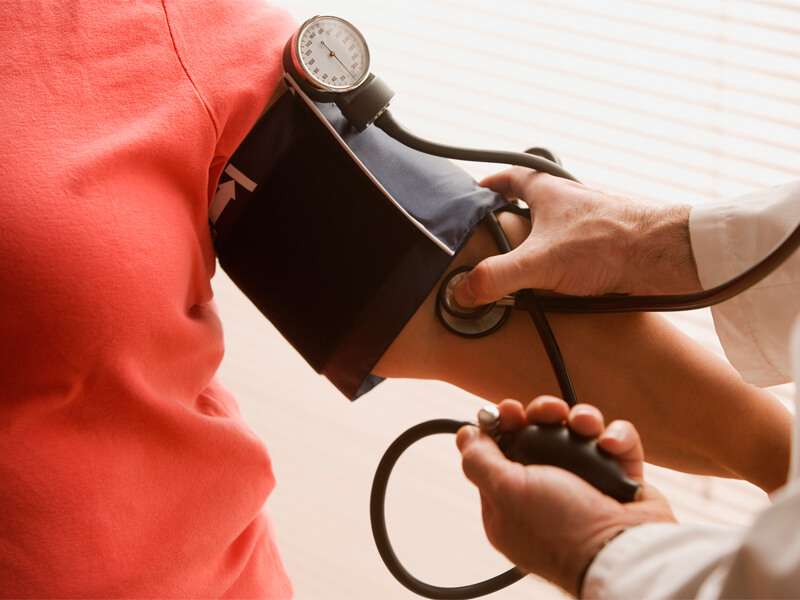
Seasonal allergies occur when the immune system overreacts to allergens such as pollen from trees, grasses, and weeds. They can cause significant discomfort if not managed properly during peak seasons.
- The most common symptoms are sneezing, runny or stuffy nose, itchy eyes, and wheezing that occur during specific times of the year.
- Diagnosis often involves patient history assessment followed by allergy testing to identify triggering allergens accurately.
- Treatment options range from antihistamines and nasal corticosteroids to allergy shots for long-term relief depending on severity and type of allergy.
- Avoidance strategies also play a critical role in management; staying indoors during high pollen counts can be beneficial.
An effective approach tailored to individual needs can greatly improve quality of life during allergenic seasons. Consider consulting a healthcare provider for personalized advice on management strategies.
DIABETES MANAGEMENT

Diabetes is a chronic condition characterized by high levels of sugar in the blood. It requires ongoing management to prevent serious health issues arising from uncontrolled glucose levels.
- Common symptoms include increased thirst, frequent urination, fatigue, and blurred vision; however, mild cases may exhibit minimal signs.
- A diagnosis typically involves fasting blood sugar tests or an HbA1c test to assess long-term glucose control.
- Treatment strategies encompass dietary adjustments, physical activity enhancement, and sometimes insulin therapy or oral medications tailored to individual needs.
- Continuous monitoring is crucial for managing diabetes effectively and preventing complications like neuropathy or cardiovascular disease.
With the right care plan in place, individuals can lead healthy and fulfilling lives while managing their diabetes effectively.
HYPERTENSION
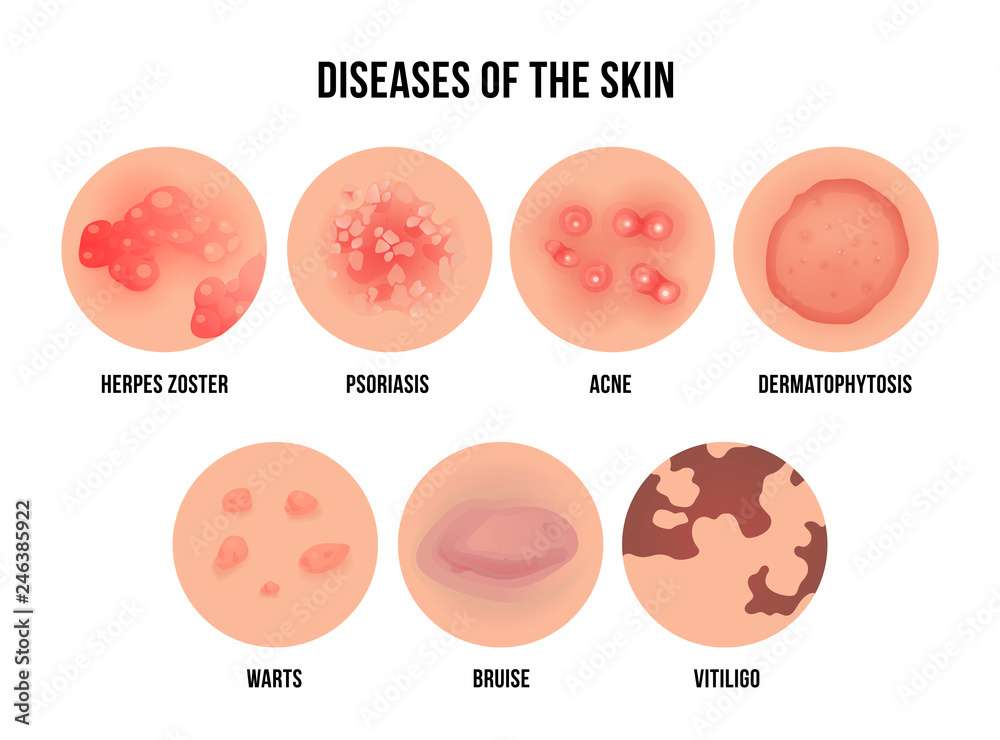
Hypertension, commonly referred to as high blood pressure, is a condition that affects millions worldwide. It often goes unnoticed until complications develop, making awareness essential for effective management.
- Symptoms may include headaches, shortness of breath, and nosebleeds, although many individuals experience no noticeable signs.
- The condition is diagnosed through regular blood pressure monitoring, and a reading above 130/80 mmHg is generally deemed elevated.
- Treatment options include lifestyle changes such as diet and exercise, along with medications like diuretics or ACE inhibitors to help regulate blood pressure.
- Regular check-ups will allow for ongoing assessment of your treatment plan and adjustments if necessary.
- Managing hypertension significantly reduces the risk of severe complications, including heart attack and stroke.
Understanding your condition enables better control and helps maintain overall health. Consult with a professional to determine the best approach for you.