
Dr sudeep singh r
About Me
Dr sudeep singh r
MBBS
General Physician
10 Years Experience
Biography
My Clinic
OPD Hours
| Monday | Morning | 10:00 AM | - | 02:00 PM |
| Evening | 06:00 PM | - | 09:00 PM | |
| Tuesday | Morning | 10:00 AM | - | 02:00 PM |
| Evening | 06:00 PM | - | 09:00 PM | |
| Wednesday | Morning | 10:00 AM | - | 02:00 PM |
| Evening | 06:00 PM | - | 09:00 PM | |
| Thursday | Morning | 10:00 AM | - | 02:00 PM |
| Evening | 06:00 PM | - | 09:00 PM | |
| Friday | Morning | 10:00 AM | - | 02:00 PM |
| Evening | 06:00 PM | - | 09:00 PM | |
| Saturday | Morning | 10:00 AM | - | 02:00 PM |
| Evening | 06:00 PM | - | 09:00 PM | |
| Sunday | Morning | 10:00 AM | - | 02:00 PM |
| Evening | 06:00 PM | - | 09:00 PM |
Treatments
Specialised care and treatments offered
GASTROINTESTINAL DISORDER EVALUATION
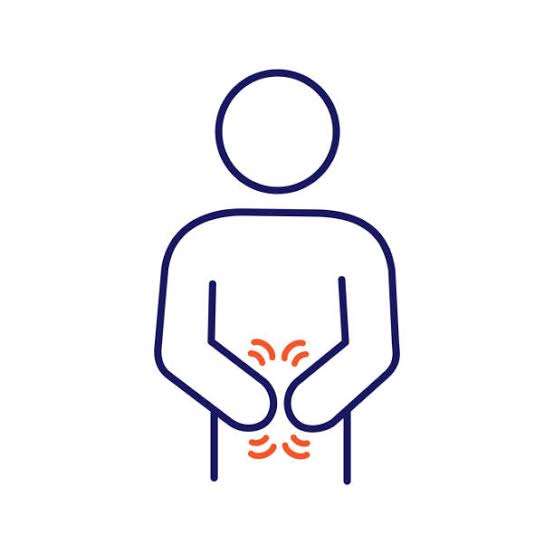
Diseases affecting the digestive tract range widely from mild discomforts to chronic conditions requiring thorough evaluation. Understanding symptoms promotes timely diagnosis and treatment.
The gastrointestinal system plays a central role in nutrient absorption which impacts overall well-being.- This section highlights commonly encountered disorders relevant to general practice.
Main symptoms include abdominal pain, nausea, and changes in bowel habits that necessitate investigation.
Diagnosis typically involves clinical examination supported by laboratory tests,fecal studies,and imaging.
Management depends on cause,ranging from dietary modifications,to medications relieving symptoms,and referral for specialized endoscopy if required.
Patients can expect improved quality of life with accurate diagnosis followed by adherence to treatment plans.
ROUTINE HEALTH CHECK-UPS

Scheduled health evaluations are essential even when you feel well. Routine check-ups help detect problems early before symptoms develop significantly.
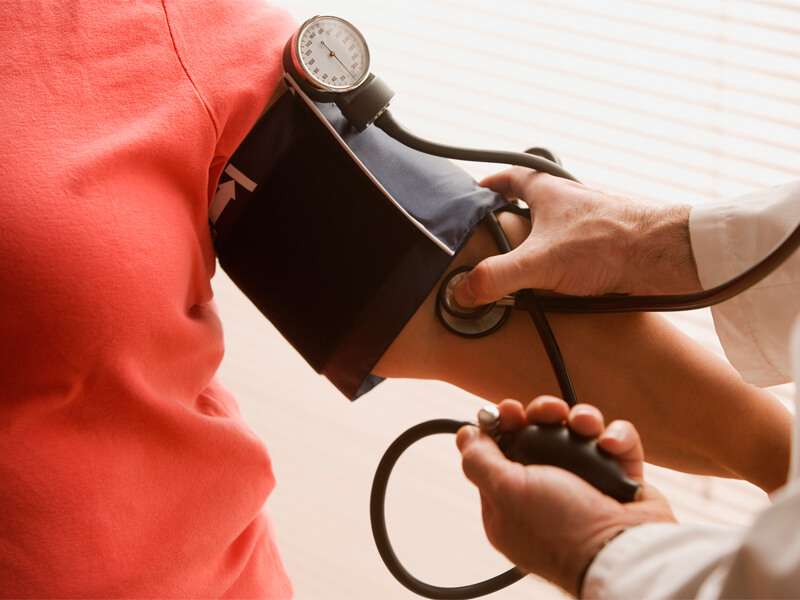
- Purpose of check-ups: Monitor vitals like blood pressure and weight; screen for conditions such as anemia or kidney issues through lab tests;
- Epidemiologic importance:Aid in preventive care by identifying modifiable risk factors like smoking habits or cholesterol levels;
CHRONIC OBSTRUCTIVE PULMONARY DISEASE (COPD) CARE

COPD is a progressive lung disease characterized by airflow obstruction causing breathing difficulties. Early recognition improves quality of life significantly.
- Main causes: Long-term exposure to cigarette smoke or harmful pollutants leads to chronic inflammation in the airways.
- Symptoms assessment: Persistent cough with sputum production and shortness of breath are common complaints prompting evaluation.
- Diagnostic tools: Spirometry tests measure lung function confirming airflow limitation consistent with COPD diagnosis.
- Treatment modalities: Smoking cessation support; inhaled bronchodilators; pulmonary rehabilitation programs; oxygen therapy if required;
Lifelong management including avoidance of triggers can slow progression and minimize exacerbations associated with COPD.
DIABETES SCREENING AND PREVENTION
The early identification of diabetes or prediabetes can prevent complications through timely intervention. Screening is a key step for at-risk individuals.
- Causative factors: Obesity, family history, sedentary lifestyle, and unhealthy diet contribute to elevated blood sugar levels.
- Screening methods: Blood tests like fasting glucose or HbA1c help detect abnormal glucose levels before symptoms appear.
- Lifestyle modifications: Weight control, balanced nutrition with low sugar intake, regular exercise are cornerstones in prevention.
- Treatment strategies: If diagnosed with diabetes, management includes medication adherence alongside lifestyle changes for optimal control.
A systematic approach towards screening reduces the risk of serious outcomes such as nerve damage or cardiovascular disease from uncontrolled diabetes.
ADULT VACCINATION AND IMMUNIZATION

Vaccinations are crucial preventive measures that protect adults from various infectious diseases. Staying up-to-date on immunizations supports long-term health.
- Purpose: To prevent illnesses such as influenza, pneumonia, hepatitis B, and tetanus among adults.
- Assessment: Doctors review vaccination history and risk factors to recommend appropriate vaccines.
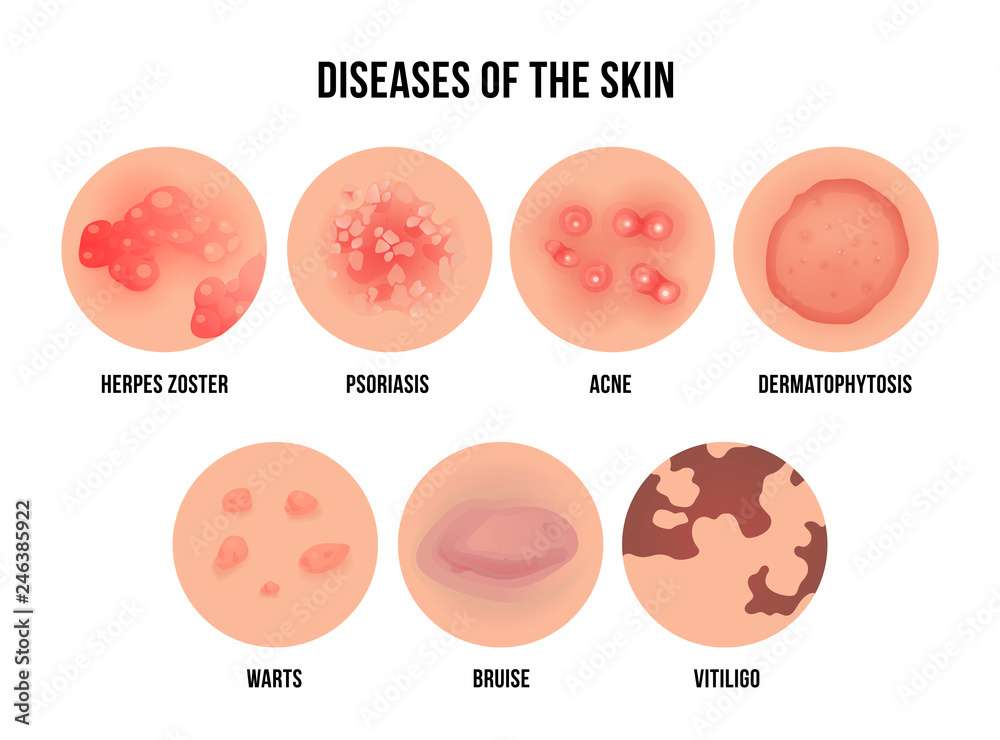
- Available vaccines: Influenza yearly shots, pneumococcal vaccines for lung health, shingles vaccine for older adults, and others based on individual needs.
- Benefits: Reduce hospitalizations, protect vulnerable populations, and promote community immunity.
A proactive vaccination schedule tailored to your health status ensures optimal protection throughout adulthood.
HYPERTENSION MANAGEMENT
High blood pressure, or hypertension, is a common condition where the force of blood against artery walls is consistently too high. Managing hypertension is vital to prevent serious health complications.
- Symptoms and causes: Often symptomless, but can include headaches or shortness of breath. Causes include genetics, poor diet, stress, and lack of exercise.
- Diagnosis: Confirmed by repeated blood pressure measurements during clinical visits or home monitoring.
- Treatment options: Lifestyle changes such as a balanced diet, reduced salt intake, regular physical activity, and prescribed medications as needed.
- Management expectations: Regular follow-up is essential to monitor blood pressure and adjust treatment plans.
Early detection and adherence to treatment helps in effectively controlling hypertension, reducing risks of heart disease and stroke.