
Dr Sudhir Bhandar
About Me
Dr Sudhir Bhandar
ENDOCRINOLOGIST
Biography
My Clinic
OPD Hours
| Monday | Morning | 10:00 AM | - | 02:00 PM |
| Evening | 06:00 PM | - | 09:00 PM | |
| Tuesday | Morning | 10:00 AM | - | 02:00 PM |
| Evening | 06:00 PM | - | 09:00 PM | |
| Wednesday | Morning | 10:00 AM | - | 02:00 PM |
| Evening | 06:00 PM | - | 09:00 PM | |
| Thursday | Morning | 10:00 AM | - | 02:00 PM |
| Evening | 06:00 PM | - | 09:00 PM | |
| Friday | Morning | 10:00 AM | - | 02:00 PM |
| Evening | 06:00 PM | - | 09:00 PM | |
| Saturday | Morning | 10:00 AM | - | 02:00 PM |
| Evening | 06:00 PM | - | 09:00 PM | |
| Sunday | Morning | 10:00 AM | - | 02:00 PM |
| Evening | 06:00 PM | - | 09:00 PM |
Treatments
Specialised care and treatments offered
METABOLIC SYNDROME
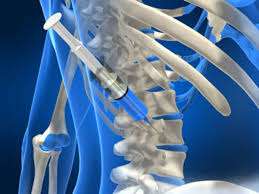
This syndrome comprises a cluster of conditions that occur together increasing your risk of heart disease, stroke, and type 2 diabetes. Its components include increased waist circumference alongside abnormal cholesterol levels and hypertension which need attention within clinical practice settings.
- Mainly driven by factors such as obesity or inactivity; prevalent symptoms, however subtle initially may lead down serious health paths if ignored over time.
- Diagnosis typically entails screenings examining waist size plus lipid profiles while measuring high blood pressure readings regularly too helps highlight concerns earlier on without delay!
- Initial therapeutic avenues revolve around lifestyle adjustments emphasizing dietary changes coupled with increased physical activity serving significant roles during any treatment protocols sought thereafter!
Engaging actively towards reversing metabolic syndrome consistently offers significant benefits improving overall cardiovascular wellness aiding preventive strategies greatly!
ADDISON'S DISEASE

Addison's Disease results from insufficient production of cortisol by the adrenal glands. It’s crucial to identify this condition early due to risks associated with adrenal insufficiency affecting daily activities and health.
- This disease often presents with symptoms such as extreme fatigue, weight loss, low blood pressure, and hyperpigmentation of the skin as telltale signs.
- Diagnosis typically involves a combination of clinical evaluation along with blood tests assessing cortisol levels during stress conditions.
- Treatment focuses on replacing missing hormones through daily medication regimens aimed at restoring normal function.
- Regular follow-ups are necessary for effective long-term management .
Early detection plays a pivotal role in successfully managing Addison’s disease enhancing life quality significantly for affected individuals.
HYPERTHYROIDISM

This condition is characterized by an overactive thyroid gland producing excessive hormones that accelerate metabolism. Symptoms can develop rapidly and require immediate attention to prevent serious health issues.
- The most common symptoms include unexplained weight loss, increased heart rate, sweating, and nervousness.
- Your healthcare provider may perform blood tests to measure thyroid hormone levels for accurate diagnosis.
- Treatment approaches vary; antithyroid medications lower hormone production while radioactive iodine treatment targets thyroid cells directly.
- Surgery might be needed in certain cases where other treatments fall short in terms of management.
A proactive approach assists patients in controlling hyperthyroidism effectively while maintaining their overall well-being.
CUSHING'S SYNDROME

Cushing's Syndrome arises from excess cortisol in the body. This hormonal imbalance can result from various factors including adrenal tumors or prolonged use of corticosteroids. Understanding its symptoms aids timely treatment.
- This syndrome's common symptoms include rapid weight gain, hypertension, skin changes like easy bruising, and mood swings.
- The diagnosis usually involves urine tests checking cortisol levels along with medical imaging studies.
- Treatment options might involve surgery to remove tumors or tapering off corticosteroid medication if applicable.
- Coping strategies such as dietary modifications may enhance management.
A supportive medical team is crucial for addressing Cushing's Syndrome effectively and improving patient outcomes.
HYPOTHYROIDISM

This condition involves an underactive thyroid gland which leads to insufficient hormone production. Thyroid hormones are essential for regulating metabolism and energy levels in the body. Recognizing symptoms early aids in effective management.
- Common symptoms include fatigue, weight gain, cold intolerance, and depression.
- A simple blood test measures levels of Thyroid Stimulating Hormone (TSH) to confirm diagnosis.
- Treatment generally consists of synthetic thyroid hormone replacement therapy aimed at normalizing hormone levels.
- Your doctor will monitor your hormone levels regularly to ensure optimal management.
- Lifestyle adjustments, including a balanced diet and regular exercise, can also support thyroid function.
Early intervention can significantly enhance quality of life for those affected by hypothyroidism.
DIABETES MELLITUS

Diabetes Mellitus is a chronic condition that affects the way your body processes blood sugar (glucose). It occurs when the body either does not produce sufficient insulin or cannot effectively use the insulin it produces. Managing diabetes is essential for maintaining overall health and preventing complications.
- Symptoms can include excessive thirst, frequent urination, fatigue, and blurred vision.
- The condition is typically diagnosed through blood tests measuring glucose levels, such as fasting blood glucose tests or HbA1c assays.
- Treatment options may include lifestyle changes like diet and exercise, oral medications, or insulin therapy depending on the type and severity of diabetes.
- Persistent monitoring of blood glucose levels is crucial for management, along with regular check-ups with a healthcare provider.
- In addition to managing blood sugar levels, patients should be aware of potential complications related to eyes, kidneys, and nerves.
A comprehensive approach to managing diabetes can help individuals lead healthier lives while minimizing risks associated with this condition.