
DR Sudhir Vaishnav
About Me
DR Sudhir Vaishnav
Cardiologist
Biography
My Clinic
OPD Hours
| Tuesday | Morning | 10:00 AM | - | 02:00 PM |
| Evening | 06:00 PM | - | 09:00 PM | |
| Wednesday | Morning | 10:00 AM | - | 02:00 PM |
| Evening | 06:00 PM | - | 09:00 PM | |
| Thursday | Morning | 10:00 AM | - | 02:00 PM |
| Evening | 06:00 PM | - | 09:00 PM | |
| Friday | Morning | 10:00 AM | - | 02:00 PM |
| Evening | 06:00 PM | - | 09:00 PM | |
| Saturday | Morning | 10:00 AM | - | 02:00 PM |
| Evening | 06:00 PM | - | 09:00 PM | |
| Sunday | Morning | 10:00 AM | - | 02:00 PM |
| Evening | 06:00 PM | - | 09:00 PM | |
| Thursday | Morning | 10:00 AM | - | 02:00 PM |
| Evening | 06:00 PM | - | 09:00 PM |
Treatments
Specialised care and treatments offered
HEART FAILURE

This chronic condition occurs when the heart cannot pump sufficiently to maintain blood flow throughout the body. Understanding heart failure helps in timely diagnosis and effective management strategies are vital for enhancing quality of life.
- Symptoms: Signs include persistent cough or wheezing due to fluid buildup alongside fatigue during daily activities.
ATRIAL FIBRILLATION
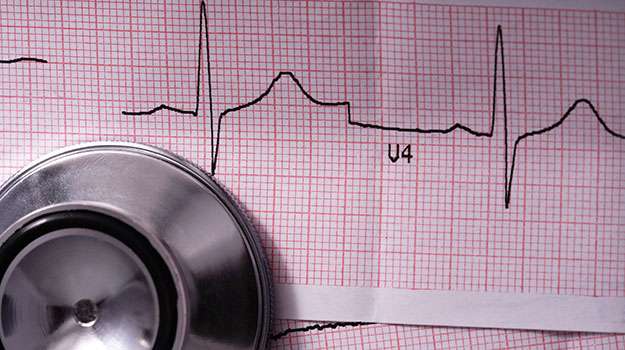
Atrial fibrillation (AFib) is a type of irregular heartbeat that can increase the risk of stroke and heart-related complications. Understanding its management is essential for maintaining heart health over time.
- Symptoms: Patients may experience palpitations, dizziness, fatigue, or even chest pain during episodes.
- Causes: Conditions like hypertension or prior heart surgery increase AFib risk; genetics also play a role.
- Diagnosis: It is diagnosed through an electrocardiogram (ECG) that measures the electrical activity of the heart.
- Treatment: Management options include rate control medication or anticoagulants; some patients may benefit from procedures like catheter ablation.
- What to Expect: While AFib can be managed effectively with treatment plans tailored by medical professionals regularly monitoring your condition is crucial for long-term health outcomes.
If you notice symptoms characteristic of AFib, seeking immediate medical advice can help mitigate potential complications significantly.
CORONARY ARTERY DISEASE
This condition involves the narrowing or blockage of the coronary arteries due to plaque buildup. Over time, it can lead to chest pain or heart attacks. Awareness of risk factors is key in prevention and management.
- Symptoms: Commonly includes chest discomfort, fatigue, shortness of breath, particularly during exertion.
- Causes: Risk factors comprise high cholesterol levels, smoking, diabetes, and family history of heart disease.
- Diagnosis: Healthcare providers may conduct an ECG or stress test to assess heart health.
- Treatment: Options range from lifestyle modifications to medications like statins; severe cases might require surgical interventions such as angioplasty.
- What to Expect: Many patients can live well-managed lives through adherence to prescribed treatments and regular follow-ups.
If you are at risk for coronary artery disease, proactive surveillance and intervention can significantly improve your outlook.
HYPERTENSION
Hypertension, or high blood pressure, is a common condition that can lead to severe health risks if left unmanaged. It often goes unnoticed because it typically does not present noticeable symptoms. Regular monitoring is crucial for detection and management.
- Symptoms: Most individuals may not experience any symptoms; however, severe cases could lead to headaches, shortness of breath, or nosebleeds.
- Causes: Factors include obesity, a sedentary lifestyle, excessive salt intake, and stress.
- Diagnosis: Blood pressure is measured using a sphygmomanometer during routine check-ups.
- Treatment: Management may involve lifestyle changes such as diet and exercise, along with medications like diuretics or ACE inhibitors.
- What to Expect: With proper treatment and lifestyle adjustments, individuals can manage their blood pressure effectively and reduce health risks.
If you suspect you have hypertension, it's important to consult a healthcare professional for appropriate evaluation and guidance.