
Dr Suhas Patwardhan
About Me
Dr Suhas Patwardhan
General Physician
Biography
My Clinic
OPD Hours
| Tuesday | Morning | 10:00 AM | - | 02:00 PM |
| Evening | 06:00 PM | - | 09:00 PM | |
| Wednesday | Morning | 10:00 AM | - | 02:00 PM |
| Evening | 06:00 PM | - | 09:00 PM | |
| Thursday | Morning | 10:00 AM | - | 02:00 PM |
| Evening | 06:00 PM | - | 09:00 PM | |
| Friday | Morning | 10:00 AM | - | 02:00 PM |
| Evening | 06:00 PM | - | 09:00 PM | |
| Saturday | Morning | 10:00 AM | - | 02:00 PM |
| Evening | 06:00 PM | - | 09:00 PM | |
| Sunday | Morning | 10:00 AM | - | 02:00 PM |
| Evening | 06:00 PM | - | 09:00 PM | |
| Thursday | Morning | 10:00 AM | - | 02:00 PM |
| Evening | 06:00 PM | - | 09:00 PM |
Treatments
Specialised care and treatments offered
SEASONAL ALLERGIES
Seasonal allergies commonly arise due to pollen exposure during specific times of the year. They can be bothersome but understanding how they work aids in effective relief strategies.
- Symptoms typically include sneezing , nasal congestion , itchy eyes , & throat irritation depending on individual sensitivities.
- Diagnosis relies mainly on clinical evaluation accompanied by allergy testing if recommended by your doctor for precise identification of triggers.
- Treatment options comprise antihistamines & decongestants ; allergen avoidance remains essential whenever possible throughout peak seasons .
- Immunotherapy might also offer long-term solutions depending upon severity & personal preferences involved regarding potential side effects.
Learning about seasonal allergies equips you emotionally so you’re prepared each year while seeking appropriate interventions when necessary!
ASTHMA

Asthma is a chronic lung condition that causes inflammation and narrowing of airways leading to difficulty breathing. Recognizing its triggers and managing symptoms effectively are vital for those affected by this condition at any age.
- Common signs include wheezing , coughing , chest tightness , and shortness of breath especially during physical activity .
- Diagnosis involves medical history review , physical examination , lung function tests such as spirometry , which measures airflow .
- Management strategies commonly involve avoiding known triggers along with bronchodilator inhalers for quick relief during an attack ; inhaled corticosteroids may also be prescribed for long-term control .
- Regular follow-ups allow for adjustments in treatment plans based on individual response over time .
With proper education & management , individuals diagnosed with asthma can lead active lives while minimizing impact from their condition .
COMMON COLD
The common cold is a viral infection affecting the upper respiratory system. Although it typically resolves within a week or two without serious complications, being well-informed can aid in managing symptoms effectively.
- Symptoms often include a runny nose, sore throat, cough, sneezing, and mild headache or body aches.
- Your healthcare provider will generally diagnose a cold based on physical examination and reported symptoms since lab tests are rarely required.
- Treatment primarily focuses on relieving discomfort with rest, hydration, pain relievers like acetaminophen or ibuprofen, and decongestants when necessary.
- While colds usually resolve on their own within 7-10 days , maintaining good hygiene practices can prevent transmission to others.
- If symptoms worsen or persist beyond two weeks , further evaluation may be warranted to rule out more serious conditions .
Understanding this self-limiting illness fosters resilience during recovery periods .
ACID REFLUX (GERD)
Gastroesophageal reflux disease (GERD) occurs when stomach acid frequently flows back into the esophagus, leading to irritation. It can significantly affect daily life if not properly managed.
- The most common symptom is heartburn; other signs may include regurgitation of food or sour liquid and difficulty swallowing.
- A physician can diagnose GERD based on symptoms, medical history, and sometimes endoscopic evaluation if needed.
- Treatment options often involve lifestyle modifications including dietary changes and medications that reduce stomach acid production.
- Surgery might be considered in severe cases where lifestyle changes and medication are insufficient.
- Regular monitoring helps prevent complications such as esophagitis or Barrett's esophagus from developing over time.
With the right approach, many patients experience significant relief from symptoms of GERD, improving their quality of life considerably.
DIABETES MELLITUS

Diabetes Mellitus is a chronic metabolic disorder characterized by elevated blood sugar levels due to insulin resistance or insufficient insulin production. Understanding diabetes is crucial for effective management and prevention of complications.
- Symptoms may include increased thirst, frequent urination, fatigue, and blurred vision.
- A diagnosis is made through fasting blood glucose tests or oral glucose tolerance tests.
- Treatment includes lifestyle changes such as a balanced diet and regular physical activity along with medications or insulin therapy if necessary.
- Managing diabetes involves ongoing monitoring of blood sugar levels to prevent long-term health issues like heart disease or nerve damage.
- Education about the condition empowers patients to take an active role in their healthcare journey.
Effective management allows individuals living with diabetes to enjoy a fulfilling life while minimizing risks associated with the condition.
HYPERTENSION
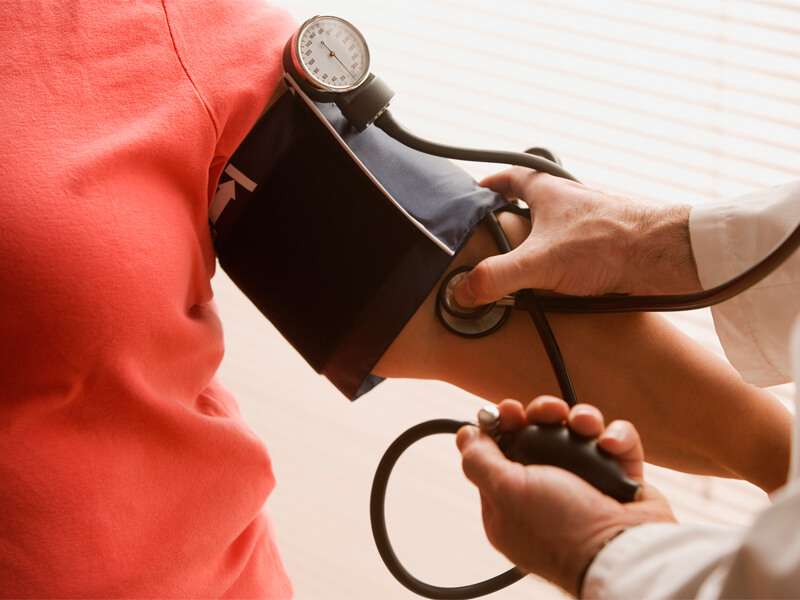
Hypertension, or high blood pressure, is a common condition that can lead to serious health complications if left untreated. It typically develops over many years and may not present noticeable symptoms initially.
- Common symptoms include headaches, shortness of breath, and nosebleeds.
- Diagnosis is usually confirmed through regular blood pressure monitoring and may include additional tests such as blood tests or ECG.
- Treatment options range from lifestyle modifications like diet and exercise to medications that help lower blood pressure.
- Management often focuses on reducing risks associated with heart disease, stroke, and kidney damage.
- Regular follow-ups are essential to monitor the condition and adjust treatment as needed.
With appropriate management, individuals with hypertension can lead healthy lives while keeping their blood pressure in check.