
Dr Sujata
About Me
Dr Sujata
Dermatologist
Biography
My Clinic
OPD Hours
| Tuesday | Morning | 10:00 AM | - | 02:00 PM |
| Evening | 06:00 PM | - | 09:00 PM | |
| Wednesday | Morning | 10:00 AM | - | 02:00 PM |
| Evening | 06:00 PM | - | 09:00 PM | |
| Thursday | Morning | 10:00 AM | - | 02:00 PM |
| Evening | 06:00 PM | - | 09:00 PM | |
| Friday | Morning | 10:00 AM | - | 02:00 PM |
| Evening | 06:00 PM | - | 09:00 PM | |
| Saturday | Morning | 10:00 AM | - | 02:00 PM |
| Evening | 06:00 PM | - | 09:00 PM | |
| Sunday | Morning | 10:00 AM | - | 02:00 PM |
| Evening | 06:00 PM | - | 09:00 PM | |
| Thursday | Morning | 10:00 AM | - | 02:00 PM |
| Evening | 06:00 PM | - | 09:00 PM |
Treatments
Specialised care and treatments offered
SEBORRHEIC DERMATITIS
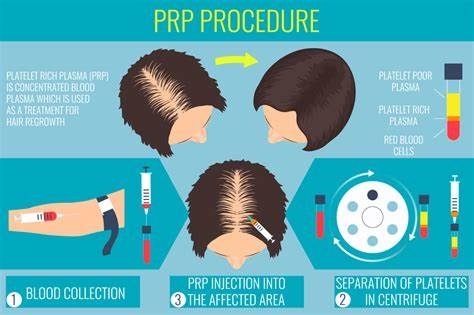
Seborrheic dermatitis is a common inflammatory skin condition affecting oily areas such as the scalp face ear/or underarms causing flaky scalp abnormal reddened/inflamed patches on body regions too.;
,- & nbsp; Symptoms: & nbsp
Scaly patches appear along roots where hair combined excess oil flaky scales form.&Nbsptoppl **causes:** Environmental triggers temperature shifts,& climatic differences are responsible behind its emergence too-keeps appearances calm; , - If you found diagnosis goes assessments observing signs conducting fungal tests if necessary confirm conditions accurately; ,
- If treated mild potential over-the-counter keratolytics creams prescription efficacy rates higher among patients caused helps reduce inflammation discomfort experienced lessens effects through non invasive measures applied daily routine **treatments** remaining consistent follow-through lead achieving desired calm outcome long term maintenance approaches advised based overall health improvements,”; closing notices taking charge own beautiful healthy reassurance empowers pursue options professionally help sustain shine throughout life..
ROSACEA
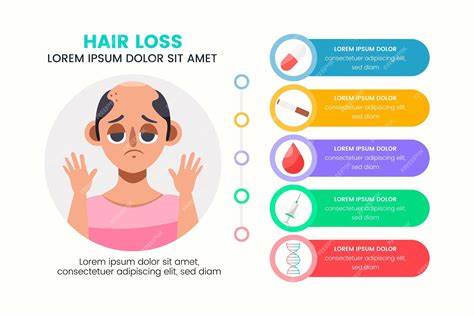
This chronic inflammatory condition primarily affects facial skin resulting in redness, flushing, and sometimes acne-like breakouts. It typically develops in adults aged 30-50 years old but can occur at any age
.- Symptoms: Included persistent facial redness across cheeks/nose; tiny visible blood vessels, sensitive skin. .
- Causes:&qS!G!A prone4’2 B mechanism5dx prevalent s Occasional refreshers SPF1! Experimental Genetic.’ . </UL>.;< UL ;lspecialists .diagnosis .diagnosis , dermatologists used clinical examination often supported testing suggestive contain further conditions.)
- < strength “Treatment” strength “Anti-inflammatory medications shyredated laser therapy effective treatment types available offers many solutions.”< br />”,” There’s hope!.&Plus)xAMm A prompt consultation doctor-PEM!
PSORIASIS
Psirosis is a chronic autoimmune condition that speeds up the life cycle of skin cells causing rapid cell buildup leading to scaling on the skin's surface.
- Symptoms: Symptoms commonly include red patches covered with thick silvery scales that may itch or be painful.
- Causes: Psoriasis is often linked with genetic predisposition and environmental triggers including stress and infections.
ECZEMA
Eczema is an inflammatory skin condition characterized by itchy and inflamed patches of skin. It commonly appears in children but can affect individuals of all ages.
- Symptoms: Common indicators include dry patches, intense itching, and redness around affected areas.
- Causes: Triggers can vary widely, ranging from environmental allergens to certain fabrics or soaps.
- Diagnosis: A thorough examination by a dermatologist helps identify eczema through observed symptoms and patient history.
- Treatment: Management includes topical steroids and moisturizers which help alleviate symptoms effectively. Identifying triggers is pivotal in preventing flare-ups.
This chronic condition often requires ongoing management for relief and comfort.
SKIN CANCER SCREENING
A skin cancer screening is a preventive measure that helps detect skin cancers early. Early detection significantly increases the chances of successful treatment.
- Symptoms: Look for new growths or changes in existing moles such as asymmetry or color variation.
- Causes: Prolonged sun exposure and genetic factors increase the risk of developing skin cancer.
- Diagnosis: Dermatologists use visual examinations and may perform biopsies for suspicious spots.
- Treatment: If diagnosed early, treatment options may include excision, cryotherapy, or topical treatments depending on the type and stage.
- What to expect: Regular screenings are recommended yearly, particularly for those at higher risk.
An annual check-up can be crucial for maintaining your skin health.
ACNE
Acne is a common skin condition that occurs when hair follicles become clogged with oil and dead skin cells. It can manifest as whiteheads, blackheads, or pimples.
- Symptoms: These may include inflamed red lesions, scarring, and the appearance of pustules.
- Causes: Factors like hormonal changes, diet, and stress can contribute to acne formation.
- Diagnosis: A dermatologist often assesses the skin condition during a physical examination.
- Treatment: Options range from topical creams and oral medications to lifestyle changes aimed at reducing irritation.
- What to expect: Improvement may take several weeks or months; adherence to treatment is crucial for effectiveness.
If left untreated, serious cases can lead to noticeable scarring.