
Dr Sujit Shanshanwal
About Me
Dr Sujit Shanshanwal
Dermatologist
Biography
My Clinic
OPD Hours
| Tuesday | Morning | 10:00 AM | - | 02:00 PM |
| Evening | 06:00 PM | - | 09:00 PM | |
| Wednesday | Morning | 10:00 AM | - | 02:00 PM |
| Evening | 06:00 PM | - | 09:00 PM | |
| Thursday | Morning | 10:00 AM | - | 02:00 PM |
| Evening | 06:00 PM | - | 09:00 PM | |
| Friday | Morning | 10:00 AM | - | 02:00 PM |
| Evening | 06:00 PM | - | 09:00 PM | |
| Saturday | Morning | 10:00 AM | - | 02:00 PM |
| Evening | 06:00 PM | - | 09:00 PM | |
| Sunday | Morning | 10:00 AM | - | 02:00 PM |
| Evening | 06:00 PM | - | 09:00 PM | |
| Thursday | Morning | 10:00 AM | - | 02:00 PM |
| Evening | 06:00 PM | - | 09:00 PM |
Treatments
Specialised care and treatments offered
WARTS
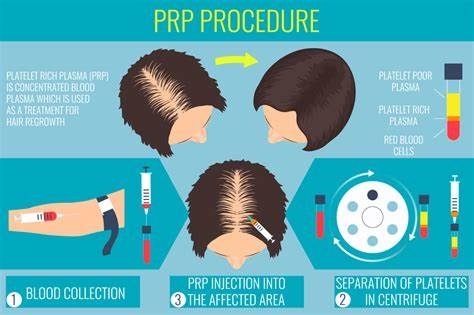
A common viral infection known as warts results from human papillomavirus (HPV). They appear as small growths on the surface of the skin which can come in various forms including plantar warts occurring underfoot causing substantial discomfort during weight-bearing activities etc., sometimes showing resemblance benign moles misinterpreted easily without proper evaluation conducted ahead identifying distinctions clearly matters led seeing specialist assist navigating unique needs caring process involved thoroughly!| expected^ offering thoughtful supports necessary aimed discussions being encouraged always expects arriving points handled optimally streams constructed assuring reliable conversations managed addressing gaps eliminating miscommunication .
ROSACEA
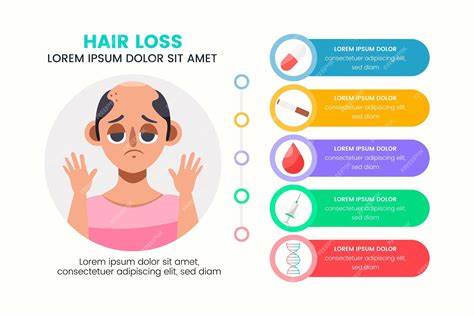
This chronic inflammatory condition primarily affects facial areas leading patients suffering bouts characterized mainly by flare-ups affecting cheeks/nose region alongside ocular manifestations occasionally experienced during progression phases too when untreated long-term potentially worsening patient’s quality life experiences overall encountered situations deserving thorough exploration ongoing management assistance approaches sought!< l i >Causes: Genetic predisposition along with environmental influences also play vital roles contributing development these visible symptoms manifesting through various stimuli such spicy foods alcohol consumption heightened sun exposure lifestyle choices impact directly hence important emphasize proactive strategies tailored goals achieve optimal health overall< / l i >< l i >< str ong >Diagnosis: The diagnosis often made after a physical exam focusing closely examining specific features discussing histological tests conducted highlighting presence particular lesions uniquely indicating rosacea rather secondary conditions ruling out effectively gaining insights advice ahead treatment best suited each individual patient’s journey numerous factors considered beforehand< / l i />< l i >< str ong >Treatment options:< span style="font-family:'Helvetica Neue', Helvetica , Arial , sans-serif;">< conflicts :"> (various) management protocols exist including topical agents reducing inflammation oral antibiotics targeting underlying infectious components laser therapies interventions aimed minimizing redness enhancing aesthetic appearances offered patients require above satisfactory solutions meeting expectations fully all-inclusivity prioritized background experiences truly mattered throughout entirety comprehensive pathways initiated able continue inspite challenges encountered once healing promotes every step fulfilled successfully
SKIN CANCER SCREENING
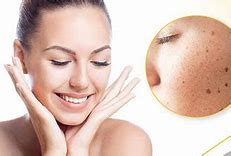
A routine screening for skin cancer plays an essential role in prevention and early detection. It involves examining the entire body for unusual spots or changes in existing moles that might indicate malignancy.
- Symptoms: Watch for new growths or changes in shape/size/color of moles. Early signs might also include sores that do not heal.
- Causes: Prolonged exposure to UV radiation from sunlight or tanning beds significantly increases risk factors for developing various types of skin cancer.
- Diagnosis: A skilled dermatologist performs this assessment using dermatoscopes which magnify lesions under light for better evaluation leading to timely intervention if necessary.
- Treatment options: If suspicious lesions are identified during screening further dermatological tests could lead up-to biopsy procedures determining if cancerous growth exists among other possible treatments available depending upon severity level diagnosed thus ensuring proper management path initiates rapidly enough before advanced stages present themselves any complications arise face - especially within high-risk populations .
Staying proactive about regular screenings is crucial since early detection dramatically improves outcomes significantly – thereby lengthening survival rates recorded throughout different demographics afflicted within society overall!& lt ;/ p.
ECZEMA
Eczema refers to a group of conditions that cause inflammation or irritation of the skin. It often manifests as itchy rashes that vary in appearance depending on age and the number of flare-ups experienced.
- Symptoms: Common signs include red or brownish-gray patches on the skin, severe itching which may worsen at night, and thickened or cracked skin.
- Causes: Eczema may be triggered by allergens such as pollen or dust mites along with irritants like soaps or fabrics
PSORIASIS
This is a chronic autoimmune condition that leads to the rapid growth of skin cells, resulting in scaling on the skin's surface. Psoriasis can affect any part of the body but most commonly appears on the elbows, knees, and scalp.
- Symptoms: Symptoms typically include red patches covered with thick silvery scales and dry cracked skin that may bleed.
- Causes: Factors such as genetics, environmental triggers like infections or stress can exacerbate symptoms.
- Diagnosis: Diagnosis is usually based on a visual examination of the affected areas by a dermatologist.
- Treatment options: Options range from topical therapies like corticosteroids to phototherapy and systemic medications for more severe cases.
- What to expect: While there's no cure for psoriasis, treatments can greatly reduce symptoms and improve quality of life.
A comprehensive approach combining lifestyle adjustments with medical treatment is effective in managing psoriasis over time.
ACNE
Acne is a common skin condition that affects many adolescents and adults. It occurs when hair follicles become clogged with oil and dead skin cells, leading to the formation of pimples, cysts, and scars.
- Symptoms: These can include blackheads, whiteheads, cysts, and painful nodules on the face, back, or shoulders.
- Causes: Hormonal changes, certain medications, diet, and stress are known contributors.
- Diagnosis: A dermatologist can typically diagnose acne through a physical examination of the skin.
- Treatment options: Management may involve topical treatments like retinoids or antibiotics, oral medications including hormonal therapy or isotretinoin for severe cases.
- What to expect: Results can take time; patience is key while following your treatment plan. Regular follow-ups will help track progress.
Understanding acne is vital in managing it effectively. Seek appropriate care to prevent scarring and improve confidence.