
Dr Suman Maheshwa
About Me
Dr Suman Maheshwa
MD
Dermatologist
Biography
My Clinic
OPD Hours
| Monday | Morning | 10:00 AM | - | 02:00 PM |
| Evening | 06:00 PM | - | 09:00 PM | |
| Tuesday | Morning | 10:00 AM | - | 02:00 PM |
| Evening | 06:00 PM | - | 09:00 PM | |
| Wednesday | Morning | 10:00 AM | - | 02:00 PM |
| Evening | 06:00 PM | - | 09:00 PM | |
| Thursday | Morning | 10:00 AM | - | 02:00 PM |
| Evening | 06:00 PM | - | 09:00 PM | |
| Friday | Morning | 10:00 AM | - | 02:00 PM |
| Evening | 06:00 PM | - | 09:00 PM | |
| Saturday | Morning | 10:00 AM | - | 02:00 PM |
| Evening | 06:00 PM | - | 09:00 PM | |
| Sunday | Morning | 10:00 AM | - | 02:00 PM |
| Evening | 06:00 PM | - | 09:00 PM |
Treatments
Specialised care and treatments offered
CONTACT DERMATITIS
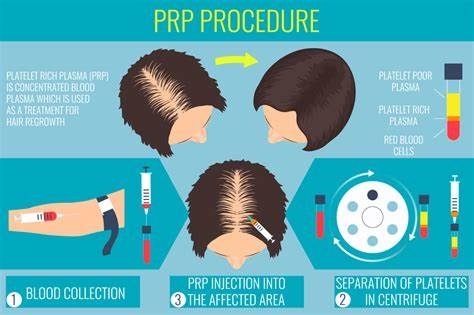
This condition occurs when the skin reacts adversely following direct contact with irritants (irritant contact dermatitis) or allergens (allergic contact dermatitis). Prompt identification aids effective management & symptom resolution!
- The symptoms usually manifest as red rashes which may itch intensely accompanied by blisters depending upon severity levels incurred! * **Common causes** span everyday products—soaps,dyes,rubber— triggering sensitivity reactions especially sensitive individuals !- Flare-ups can stem from exposure duration/intensity levels too! * **The diagnostic process** chiefly involves examining individual histories alongside potential scrutiny via patch testing methods ensuring accurate allergen identification.* Treatment generally revolves around avoiding identified irritants/allergens alongside adopting regimen incorporating soothing emollients while sometimes oral corticosteroids might serve urgent relief when inflammation escalates excessively .* Expectation after correctly managed persists around recognizing further contacts potentially arising while learning revised handling techniques proves pivotal managing future occurrences efficiently ! Additionally educating oneself about various sources becoming informed fosters empowerment !
ROSACEA
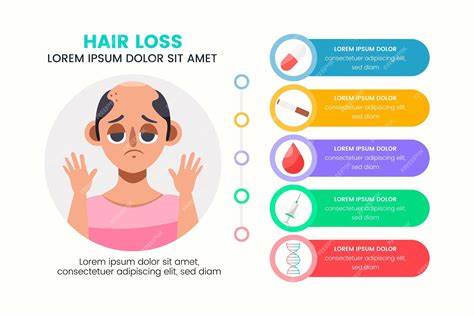
Rosacea is a chronic facial skin condition primarily affecting adults characterized by flushing redness across cheeks,nose,and forehead along with visible blood vessels in some cases...
- Symptoms : Common signs involve persistent redness ,enlarged pores leading to papules,pustules,fine dilated vessels appearing widely across central facial areas including eyes causing irritation ...
- Causes : While exact causes remain unclear,suspected contributors span genetic predisposition,triggers such stressalcohol consumption,certain hot beverages...
- Diagnosis : Diagnosis relies on clinical observation since it mimics other conditions needing careful assessment frequently lesser known forms like lupus...
- Treatment : Management strategies typically comprise topical treatments containing metronidazole beneficial toward inflammatory lesions plus oral antibiotics prescribed short term when necessary ...
Overall outcome tends greatly depend upon consistency observed within treatment regimes noting positive feedback shared among concerned patients .....
SKIN CANCER SCREENING
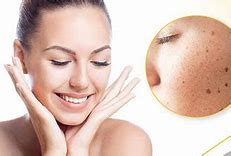
A skin cancer screening is essential for early detection of melanoma and non-melanoma types of skin cancer. Regular check-ups are recommended especially for those at higher risk due to family history or excessive sun exposure.
- Symptoms: Early signs include changes in existing moles such as irregular borders or colors; new growths that persist beyond four weeks; or sores that do not heal properly .
- Causes : Ultraviolet (UV) light exposure from the sun increases cancer risks . Other factors might involve personal or family history of skin cancer , fair complexion ,or weakened immune systems .
- Diagnosis : Dermatologists perform thorough visual examinations using dermatoscopes , assessing moles for atypical features . Biopies may follow if suspicious lesions arise .
- Treatment : If diagnosed early , treatments often entail surgical excision of cancerous tissue ; advanced stages could require chemotherapy , radiation therapy ,or immunotherapy .
Routine screenings aid significantly in catching issues early before they progress into serious health complications,best addressing patient concerns promptly.
ACNE
Acne is one of the most common skin disorders caused by clogged hair follicles along with bacteria's involvement. It primarily affects teenagers but can persist into adulthood.
- Symptoms: Typical presentations include blackheads, whiteheads, cysts, and pustules mainly located on the face, back, shoulders, and chest.
- Causes: Factors contributing to acne include hormonal changes during puberty or menstrual cycles; excess oil production; bacterial proliferation; and certain medications or cosmetics can exacerbate its occurrence.
- Diagnosis: A diagnosis usually occurs through visual inspection of the skin. In some cases where scarring potential exists or severe acne is present, additional testing may be warranted.
- Treatment: Treatments vary based on severity but commonly include topical retinoids or antibiotics. In more severe cases oral medications may be prescribed alongside lifestyle modifications like diet changes.
A consistent skincare routine combined with appropriate therapy can lead to significant improvement in acne control over time.
ECZEMA (ATOPIC DERMATITIS)
Eczema is a chronic inflammatory skin condition characterized by itchy, red, and dry skin. It commonly begins in childhood but can occur at any age.
- Symptoms: Patients typically experience dry patches that can become inflamed or infected due to scratching; these often appear on the face, hands, or insides of the elbows and knees.
- Causes: The exact cause is multifactorial involving genetics, immune system dysfunction, and environmental triggers such as allergens or irritants.
- Diagnosis: Diagnosis involves examining the affected areas and reviewing medical history. Sometimes patch tests are conducted to identify specific allergens.
- Treatment: Treatment focuses on moisturizing regularly, avoiding triggers, topical steroids for inflammation control, and antihistamines for itch relief.
- Expectations: With proper management strategies in place, many individuals can achieve significant relief from symptoms over time.
Understanding your specific triggers plays a crucial role in managing eczema effectively.
PSORIASIS
Psoriasis is a chronic autoimmune condition that results in the rapid growth of skin cells, leading to thick, scaly patches. These areas can be itchy and uncomfortable, often affecting the elbows, knees, and scalp.
- Symptoms: Common symptoms include red patches of skin covered with thick, silvery scales; dry, cracked skin that may bleed; and itching or burning sensations.
- Causes: The exact cause is unknown but involves an immune system problem with T cells and neutrophils. Genetics may also play a role.
- Diagnosis: Diagnosis is primarily through physical examination. A dermatologist may perform a biopsy to confirm the diagnosis and rule out other conditions.
- Treatment: Management options include topical treatments like corticosteroids, phototherapy, and systemic medications for moderate to severe cases.
- Expectations: While there is currently no cure for psoriasis, effective management can significantly reduce flare-ups and improve quality of life.
With appropriate treatment plans tailored to individual needs, many patients find relief from symptoms.