
Dr Sumeet Shah
About Me
Dr Sumeet Shah
Oncologist
Biography
My Clinic
OPD Hours
| Tuesday | Morning | 10:00 AM | - | 02:00 PM |
| Evening | 06:00 PM | - | 09:00 PM | |
| Wednesday | Morning | 10:00 AM | - | 02:00 PM |
| Evening | 06:00 PM | - | 09:00 PM | |
| Thursday | Morning | 10:00 AM | - | 02:00 PM |
| Evening | 06:00 PM | - | 09:00 PM | |
| Friday | Morning | 10:00 AM | - | 02:00 PM |
| Evening | 06:00 PM | - | 09:00 PM | |
| Saturday | Morning | 10:00 AM | - | 02:00 PM |
| Evening | 06:00 PM | - | 09:00 PM | |
| Sunday | Morning | 10:00 AM | - | 02:00 PM |
| Evening | 06:00 PM | - | 09:00 PM | |
| Thursday | Morning | 10:00 AM | - | 02:00 PM |
| Evening | 06:00 PM | - | 09:00 PM |
Treatments
Specialised care and treatments offered
CHEMOTHERAPY PORT INSERTION
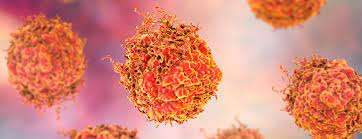
Chemotherapy port insertion is a routine procedure designed to facilitate easier access for administering chemotherapy treatments over extended periods. Having a port can significantly improve patient comfort and convenience during their oncology journey.
- The need arises when patients require frequent blood draws and IV infusions due to ongoing chemotherapy regimens initiated after thorough evaluations from previous diagnostic tests .
- The insertion process often involves basic anesthesia paired with ultrasound guidance ensuring accuracy throughout placement procedures resulting in minimal discomfort post-operatively .
- Potential advantages include reduced risk factors associated with vein irritation typically encountered during repeated IV accesses including easier access achieving greater compliance towards necessary treatments mandated by health professionals ensuing structured protocols set forth by current oncologic standards .
- PAC (Port-a-Cath) systems typically provide long-term solutions enabling better management overall allowing closer communication between healthcare providers fostering supportive environments directly addressing issues as they arise throughout comprehensive courses across therapeutic pathways engaged ultimately yielding promising outcomes ahead .
CRYOABLATION
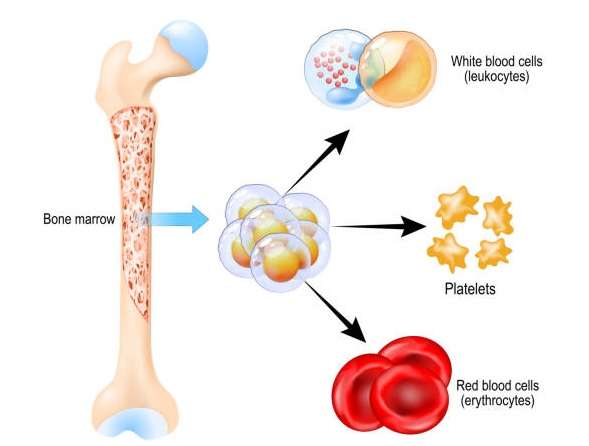
Cryoablation is an innovative procedure used to treat tumors by freezing them to destroy cancerous tissues. This technique offers an alternative option particularly suitable for patients who have specific types of localized tumors that may be otherwise challenging to excise surgically.
- The initial symptoms prompting consideration might include localized pain associated with tumor growth in various organs affected by malignancy
- Treatment options: Cryoablation provides a safe outpatient procedure aimed at minimizing recovery times.
Patients typically experience minimal downtime post-treatment while closely monitored during recovery.
Additionally,cryogenic probes are carefully guided into position using imaging techniques ensuring precision during therapy.
Following cryoablation, regular follow-ups are crucial.
RADIATION THERAPY
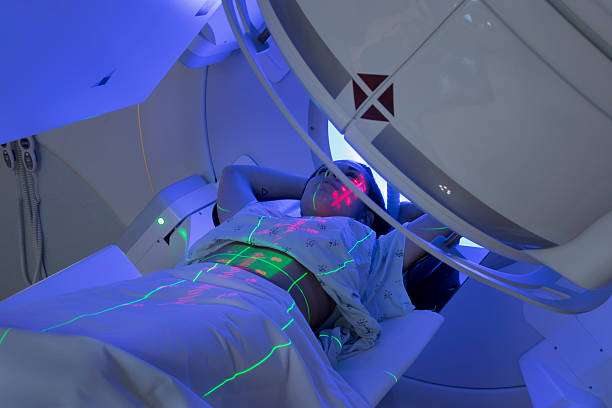
Radiation therapy employs high-energy particles or waves to destroy or damage cancer cells. It is a common treatment that can be used alone or combined with other modalities such as surgery or chemotherapy to enhance efficacy.
- Symptoms prompting radiation use often stem from localized pain or mass effect based on tumor presence and growth rate.
- A detailed diagnosis is achieved through staging tests that assess the extent of disease spread in the body.
- Treatment management involves precision targeting of tumors using advanced technology like IMRT (Intensity-Modulated Radiation Therapy), which spares surrounding healthy tissue as much as possible.
- Pain relief and symptom improvement are common expectations following successful treatment regimens.
This versatile approach helps control disease progression while aiming to improve quality of life for patients receiving care at this stage of their illness.
ENDOSCOPIC TREATMENTS
Endoscopic treatments represent a minimally invasive method for addressing certain types of tumors within different organ systems. By utilizing thin tubes equipped with cameras and instruments, oncologists can deliver effective treatment directly where it's needed.
- Patients may present with various symptoms depending on the tumor location, often detected through routine screenings or diagnostic imaging.
- The diagnosis process includes an endoscopic examination along with biopsy procedures to confirm malignancy.
- Treatment might involve ablative techniques or local excision of tumors without extensive surgery, leading to quicker recovery times.
- Post-procedure expectations generally include monitoring for any complications while continuing regular follow-ups with medical providers.
This efficient strategy significantly reduces hospital stays and promotes faster healing while effectively managing cancer challenges.
IMMUNOTHERAPY
Immunotherapy utilizes the body's own immune system to fight cancer, offering a groundbreaking alternative to traditional therapies. This treatment has shown promise in various cancers by enhancing the body's natural defenses.
- The signs of suitability for immunotherapy include persistent symptoms and particular tumor characteristics observed during diagnosis.
- A thorough diagnosis often includes biomarker testing to determine eligibility for this treatment type.
- The management options can involve checkpoint inhibitors, vaccines, or adoptive cell transfer techniques.
- Patients are increasingly experiencing sustained responses, making this a hopeful avenue in oncology care.
This approach not only targets the cancer but also strengthens the overall immune response against future occurrences.
TARGETED THERAPY
Targeted therapy is a revolutionary approach in treating cancer that specifically targets molecular markers associated with cancer cells. Unlike traditional chemotherapy, which affects both normal and cancer cells, targeted therapy aims to minimize side effects while maximizing treatment efficacy.
- Common symptoms for patients may include specific malignancies based on the targeted approach being utilized.
- Diagnosis typically involves comprehensive genetic testing and imaging studies to identify appropriate targets for therapy.
- Treatment options include oral medications or intravenous infusions that directly interfere with cancer cell growth.
- Patients can expect improved effectiveness with potentially fewer side effects compared to conventional treatments.
This innovative strategy paves the way for personalized medicine, allowing for tailored approaches in each patient's journey against cancer.