
Dr Sumeet Srivast
About Me
Dr Sumeet Srivast
MBBS
General Physician
10 Years Experience
Biography
My Clinic
OPD Hours
| Monday | Morning | 10:00 AM | - | 02:00 PM |
| Evening | 06:00 PM | - | 09:00 PM | |
| Tuesday | Morning | 10:00 AM | - | 02:00 PM |
| Evening | 06:00 PM | - | 09:00 PM | |
| Wednesday | Morning | 10:00 AM | - | 02:00 PM |
| Evening | 06:00 PM | - | 09:00 PM | |
| Thursday | Morning | 10:00 AM | - | 02:00 PM |
| Evening | 06:00 PM | - | 09:00 PM | |
| Friday | Morning | 10:00 AM | - | 02:00 PM |
| Evening | 06:00 PM | - | 09:00 PM | |
| Saturday | Morning | 10:00 AM | - | 02:00 PM |
| Evening | 06:00 PM | - | 09:00 PM | |
| Sunday | Morning | 10:00 AM | - | 02:00 PM |
| Evening | 06:00 PM | - | 09:00 PM |
Treatments
Specialised care and treatments offered
CHRONIC OBSTRUCTIVE PULMONARY DISEASE (COPD) MONITORING
COPD is a progressive lung disease that obstructs airflow causing breathing difficulty. Consistent evaluation allows for symptom control and slowing progression over time.
- Main symptoms : Persistent cough , shortness of breath , increased mucus production frequently worsened by smoking exposure .
- Diagnosis : Pulmonary function tests measure lung capacity confirmation alongside chest imaging rule out other diseases .
- Treatment approaches : Smoking cessation , inhaled bronchodilators , corticosteroids reduce inflammation improve airflow efficient oxygen use .
- Ongoing care : Regular checkups identify exacerbations promptly enabling early treatment preventing hospital admissions .
This chronic condition benefits greatly from patient education about triggers medication adherence improving daily functioning despite diagnosis .
ANEMIA EVALUATION AND TREATMENT

Anemia occurs when blood lacks sufficient healthy red cells to carry oxygen effectively throughout the body. Identifying its cause directs appropriate intervention strategies.
- Spectrum of symptoms:: Fatigue, pallor, shortness of breath during exertion point toward reduced oxygen delivery tissues.
- Differential diagnosis : Blood tests including hemoglobin levels complete blood count (CBC) iron studies help pinpoint type like iron-deficiency anemia or vitamin B12 deficiency.
- Treatment methods : Supplementation with iron or vitamins based on deficiency cause together with managing any underlying disease triggering anemia.
- Mild cases : Often improve steadily under medical supervision alongside nutrition enhancements.
Lifelong monitoring may be important in chronic conditions but timely treatment enhances vitality considerably for affected individuals .
GASTROENTERITIS MANAGEMENT

An inflammation of the stomach and intestines often caused by infections can lead to discomfort through diarrhea and vomiting. Proper care limits complications such as dehydration.
- Main causes: Viral infections (norovirus), bacterial contamination from food or water are typical origins of gastroenteritis symptoms.
- Disease recognition: Diagnosis relies primarily on clinical presentation including sudden onset diarrhea or cramps following recent exposure risks.
- {@Treatment principles:} Maintaining hydration with oral rehydration solutions is essential; in severe cases intravenous fluids or specific antimicrobial treatment may be warranted depending on the cause
The majority recover fully at home with adequate fluid intake while observing hygiene measures prevents spread to others effectively.
ACUTE UPPER RESPIRATORY TRACT INFECTION CARE
Common colds or upper respiratory infections affect many people annually. These infections are usually mild but can disrupt daily life significantly.
- Causative factors: Viruses such as rhinoviruses are the most frequent culprits causing sore throat, cough, runny nose.
- Diagnosis approach: Clinical evaluation based on symptom history; lab tests are rarely needed except in complicated cases.
- Treatment strategies: Symptomatic relief including hydration, rest, analgesics; antibiotics typically not required unless bacterial infection suspected.
- Expected course: Symptoms generally resolve within 7 to 10 days without sequelae with proper supportive care.
Avoiding unnecessary antibiotic use helps minimize resistance while promoting natural recovery from these common infections.
TYPE 2 DIABETES SCREENING AND CARE

Type 2 diabetes is a metabolic disorder where the body has difficulty regulating blood sugar. Early identification and care are crucial to prevent complications.
- Symptoms and risk factors: Increased thirst, frequent urination, fatigue; risks include obesity, family history, and sedentary lifestyle.
- Diagnostic tests: Fasting blood glucose level and HbA1c tests confirm impaired glucose tolerance or diabetes.
- Treatment plans: Focus on dietary adjustments, regular physical activity, oral hypoglycemic agents, or insulin therapy as needed.
- Lifestyle impact: Patient education on self-monitoring blood sugar and adherence to medication helps maintain glycemic control.
A tailored approach enhances patient outcomes by reducing the risk of cardiovascular disease and nerve damage associated with diabetes.
HYPERTENSION MANAGEMENT

High blood pressure is a common condition that if left untreated can lead to serious health problems like heart disease and stroke. Understanding its control is essential for long-term wellness.
- Symptoms and causes: Often called the silent killer, it may show no symptoms but is influenced by genetics, lifestyle, and diet.
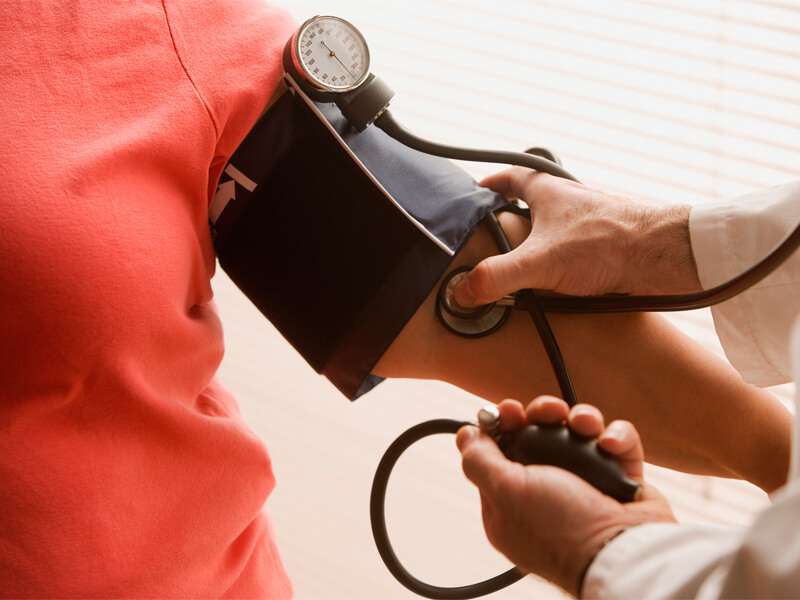
- Diagnosis: Regular blood pressure checks using a sphygmomanometer help detect elevated levels over multiple visits.
- Treatment options: Lifestyle modifications such as diet changes, exercise, stress management, along with prescribed medications like ACE inhibitors or beta blockers are standard approaches.
- Monitoring: Ongoing follow-up appointments ensure blood pressure remains controlled and medications adjusted as necessary.
Proactive management of high blood pressure greatly reduces risk of complications and improves overall quality of life.