
Dr Sumit Kamble
About Me
Dr Sumit Kamble
MD
Neurologist
Biography
My Clinic
OPD Hours
| Monday | Morning | 10:00 AM | - | 02:00 PM |
| Evening | 06:00 PM | - | 09:00 PM | |
| Tuesday | Morning | 10:00 AM | - | 02:00 PM |
| Evening | 06:00 PM | - | 09:00 PM | |
| Wednesday | Morning | 10:00 AM | - | 02:00 PM |
| Evening | 06:00 PM | - | 09:00 PM | |
| Thursday | Morning | 10:00 AM | - | 02:00 PM |
| Evening | 06:00 PM | - | 09:00 PM | |
| Friday | Morning | 10:00 AM | - | 02:00 PM |
| Evening | 06:00 PM | - | 09:00 PM | |
| Saturday | Morning | 10:00 AM | - | 02:00 PM |
| Evening | 06:00 PM | - | 09:00 PM | |
| Sunday | Morning | 10:00 AM | - | 02:00 PM |
| Evening | 06:00 PM | - | 09:00 PM |
Treatments
Specialised care and treatments offered
NERVE CONDUCTION STUDIES

Nerve conduction studies (NCS) serve as vital diagnostic tools assessing electrical signals transmitted through nerves. This diagnostic test proves valuable when diagnosing nerve-related issues affecting overall health performance quality .
- Common indicators prompting NCS include unexplained pain , tingling sensations , muscle weakness leading down paths determining conditions like carpal tunnel syndrome peripheral neuropathy affecting limb functionality quickly diagnosed via assessments conducted during visitations ensuring precise actionable results received shortly thereafter enabling informed decisions moving forwards appropriately surrounding patient education context affected areas lessening uncertainties inherent within concerning ailments observed commonly across populations .
- Tests usually consist applying surface electrodes placed strategically above suspect sites recording reactions displayed showcasing relation stimulating nerves offering insights detecting underlying dysfunctions accordingly helping tackle concerns raised prior ultimately streamlining transition stages experienced throughout broader therapeutics being initiated promptly once relevant conclusions reached regarding findings brought forth assistance pathways created tailored specifically individualized scenarios delineated further transforming perspectives maintaining realistic output expectations from engagement progressing forwards continuing relationships established between practitioners seeking optimum care each instance undertaken thus aligning conducive partnerships built upon trust established succeeding together ultimately laying groundwork equipped ready face challenges lies ahead across future endeavors posed collaboratively .
In conclusion undergoing NCS enhances possibilities recognizing hidden talents faced curtailing dedicated improvement plans promoted : solidifying connections nurtured beyond simple procedures performed enriching lives positively influencing communities benefiting greatly through holistic approaches realized wide-spread initiative partnered breakthroughs discovered shaping narratives witnessed globally attracting attention whole ensuring rounded benefits felt far beyond physical constraints highlighted previously noted instances addressed earlier fundamentally sustaining onward growth led initiatives witnessed unfold transformative journeys embarked rest assured amongst practitioners specialists leading aspirations aimed bright moments cherished reflecting ongoing resilience strong advocates banishing stigma stationed fields battle bravely empowering lives today tomorrow alike !
MIGRAINES MANAGEMENT
Migraine headaches are often debilitating conditions marked by severe pain typically accompanied by nausea or sensitivity to light. Understanding management options helps mitigate their impact on daily life.
- Pain eruptions often involve intense pulsating sensations on one side of the head along with other accompanying symptoms like aura or visual disturbances before onset related closely to stress levels and certain dietary triggers that need identification through patient journals as part of their Treatment strategy.
- A comprehensive approach includes establishing personalized medication plans tailored towards preventing these attacks using both acute treatments during an episode as well as preventive strategies encompassing lifestyle modifications involving hydration habits along with routine checks by healthcare professionals who specialize in this field.
- Functional therapies such as yoga , acupuncture have shown promise too enhancing general wellbeing allowing involved parties increased quality time outside discomforts created by migraines ensuing proper guidance given regularly basis .
Staying mindful around triggers through journaling experiences guided under neurologist supervision could prove beneficial leading up symptom reduction patterns over extended periods .
ALZHEIMER'S DISEASE SCREENING
This progressive neurological disorder affects memory and cognitive function. Early detection plays a critical role in managing Alzheimer's disease effectively.
- The initial signs may include forgetfulness or difficulty completing tasks—common symptoms that warrant concern about potential cognitive decline.
- A thorough assessment involves cognitive tests alongside patient history reviews. Advanced imaging techniques can support accurate detection.
- No cure currently exists; however, there are several suitable management options, including medications that might help manage symptoms more effectively over time.
- Cognitive therapies are also available that focus on enhancing mental function through various exercises designed for brain health improvement.
Elderly individuals should consult their neurologist for routine screenings if they experience noticeable memory lapses or behavioral changes indicative of this disease process.
STROKE PREVENTION
A stroke occurs when blood flow to the brain is interrupted; understanding preventive measures is vital in reducing risk factors associated with strokes.
- Common symptoms that indicate a stroke include sudden numbness, confusion, trouble speaking, or severe headache.
- Your doctor will conduct detailed evaluations, including imaging tests like CT scans or MRIs, to assess your risk profile accurately.
- Lifestyle modifications such as improving diet, increasing physical activity, controlling hypertension, and managing cholesterol levels are essential aspects of stoke prevention.
- Meds like anticoagulants might be prescribed based on individual risk assessments; regular check-ups become crucial for monitoring health status over time.
By adhering to preventive strategies and maintaining open communication with healthcare providers, stroke risks can be significantly minimized.
MULTIPLE SCLEROSIS
This chronic disease affects the central nervous system and can lead to various neurological problems. Understanding multiple sclerosis (MS) is essential for effective management.
- The condition may present with symptoms such as fatigue, weakness, vision problems, and coordination difficulties.
- A thorough diagnosis involves neurological exams, MRI scans, and sometimes spinal fluid analysis to rule out other conditions.
- Treatment typically includes disease-modifying therapies, which can slow the progression of MS and manage symptoms effectively.
- Physical therapy may also be recommended to maintain mobility and strength among patients experiencing physical limitations.
- An early diagnosis can significantly improve long-term outcomes in managing this condition.
Coping strategies and support systems should be integral parts of living with MS for enhanced quality of life.
EPILEPSY
Epilepsy is a neurological disorder characterized by recurrent seizures due to abnormal electrical activity in the brain. It can affect individuals of any age and may lead to significant lifestyle changes.
- Symptoms often include episodes of shaking, loss of consciousness, or unusual sensations.
- The condition is typically diagnosed through a combination of medical history, physical examinations, and imaging tests like MRI or EEG.
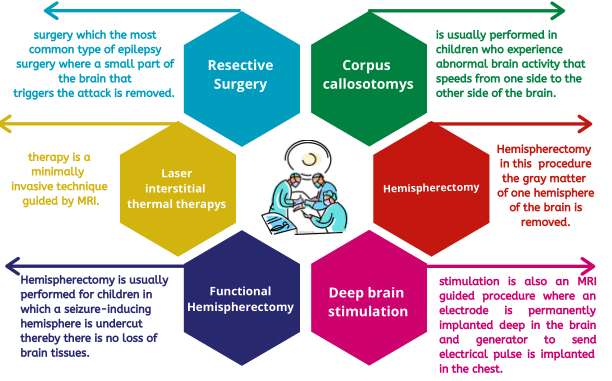
- Treatment options range from medications, such as antiepileptic drugs, to surgical interventions for severe cases where medications are ineffective.
- Regular follow-ups are crucial for monitoring seizure frequency and adjusting treatment plans accordingly.
- Your healthcare provider can help develop an individualized management plan, including lifestyle modifications to reduce seizure triggers.
With appropriate treatment, many individuals with epilepsy can achieve seizure control and lead fulfilling lives.