
Dr Sundeep Jain
About Me
Dr Sundeep Jain
MBBS
General Physician
Biography
My Clinic
OPD Hours
| Monday | Morning | 10:00 AM | - | 02:00 PM |
| Evening | 06:00 PM | - | 09:00 PM | |
| Tuesday | Morning | 10:00 AM | - | 02:00 PM |
| Evening | 06:00 PM | - | 09:00 PM | |
| Wednesday | Morning | 10:00 AM | - | 02:00 PM |
| Evening | 06:00 PM | - | 09:00 PM | |
| Thursday | Morning | 10:00 AM | - | 02:00 PM |
| Evening | 06:00 PM | - | 09:00 PM | |
| Friday | Morning | 10:00 AM | - | 02:00 PM |
| Evening | 06:00 PM | - | 09:00 PM | |
| Saturday | Morning | 10:00 AM | - | 02:00 PM |
| Evening | 06:00 PM | - | 09:00 PM | |
| Sunday | Morning | 10:00 AM | - | 02:00 PM |
| Evening | 06:00 PM | - | 09:00 PM |
Treatments
Specialised care and treatments offered
CHRONIC FATIGUE SYNDROME (CFS)
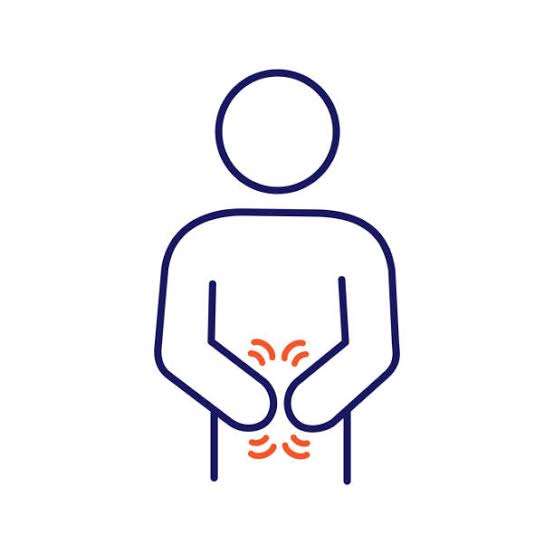
CFS is characterized by extreme fatigue that doesn’t improve with rest. It significantly impacts daily activities and remains poorly understood within the medical community.
- Main symptoms include persistent tiredness lasting six months or longer along with sleep disturbances and cognitive impairments like memory issues or concentration difficulties.
- A healthcare provider will assess symptoms thoroughly; no specific diagnostic test exists yet but ruling out other conditions is crucial for an accurate diagnosis.
- Treatment options may focus on symptom relief through medications alongside lifestyle adjustments including structured exercise regimens guided by health professionals..
Patients should know they are not alone – ongoing research aims to uncover more about CFS every year!
SKIN INFECTIONS

Skin infections can arise from bacteria (like staph), fungi, or viruses. They often result in redness, swelling, pain, and sometimes pus formation at the affected site on the skin.
- The most common symptoms are localized redness and warmth surrounding an area that appears swollen; fever might also accompany severe cases.
- A thorough physical examination coupled with patient history helps determine diagnosis; cultures may be taken for bacterial identification if necessary.
- Treatment often involves topical antibiotics for minor infections while more severe cases might require oral medications or intravenous antibiotics at times.
If you suspect a skin infection, early intervention usually leads to better outcomes through prompt treatment efforts by your doctor!
GASTROESOPHAGEAL REFLUX DISEASE (GERD)
A common digestive disorder known as GERD occurs when stomach acid frequently flows back into the esophagus. This results in irritation and discomfort for those affected by it.
- Main symptoms include heartburn, regurgitation of food or sour liquid, difficulty swallowing, and chest pain in some cases.
- A healthcare provider typically diagnoses GERD through patient history assessments and may recommend tests such as endoscopy or pH monitoring of the esophagus if necessary.
- Treatment often includes lifestyle modifications like weight loss or dietary changes alongside medications that reduce stomach acid production.
An effective management plan tailored by your doctor can greatly alleviate symptoms associated with GERD while improving overall digestive health.
SEASONAL ALLERGIES
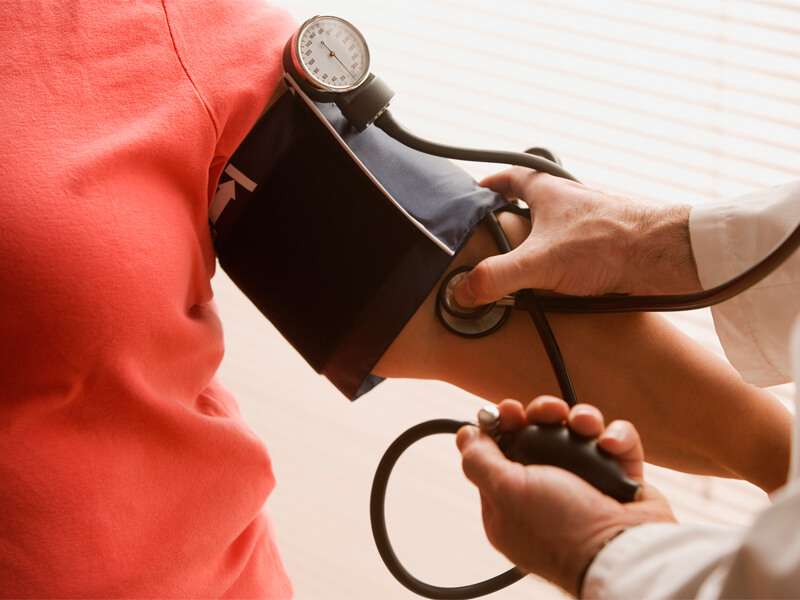
Seasonal allergies occur when your immune system overreacts to allergens present in the environment during certain times of the year. Common triggers are pollen from trees, grasses, and weeds.
- Common symptoms include sneezing, runny nose, itchy eyes, and fatigue during allergy season.
- The diagnosis can be made through patient history reviews and allergy testing conducted by a physician.
- Treatment options may involve antihistamines for immediate relief as well as long-term management strategies like avoiding triggers or immunotherapy.
- Many patients find relief by keeping windows closed or using air purifiers during high pollen seasons.
If you suffer from seasonal allergies, understanding your triggers and having an action plan in place can significantly improve your quality of life.
HYPERTENSION CONTROL

Hypertension, commonly known as high blood pressure, can lead to serious health problems if left untreated. It is often called a silent killer due to its lack of obvious symptoms.
- The causes of hypertension may include genetics, poor diet, lack of exercise, and stress.
- Diagnosis usually occurs during routine check-ups with blood pressure measurements being taken regularly.
- Treatment options generally include lifestyle changes like dietary adjustments and regular exercise along with medications if necessary.
- It’s important to monitor blood pressure at home in addition to regular visits with your healthcare professional.
- A comprehensive management plan can help prevent cardiovascular issues down the line.
If you are diagnosed with hypertension, don't panic; it can be managed effectively with the right approach.
DIABETES MANAGEMENT
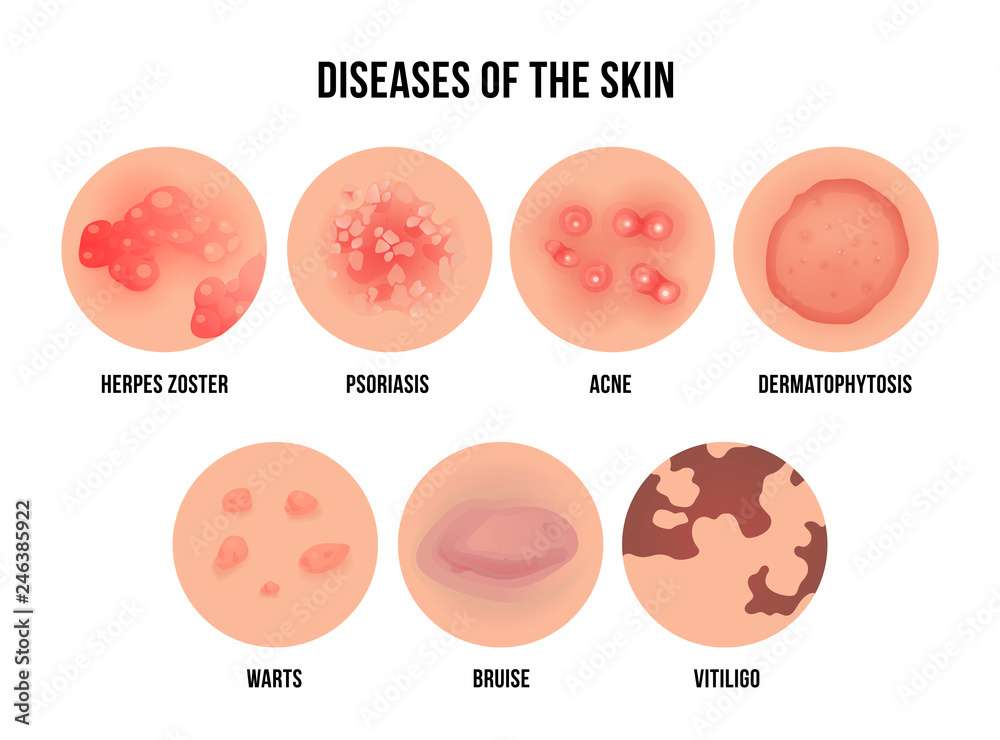
Diabetes is a chronic condition that affects the way your body processes blood sugar (glucose). It requires careful management to prevent complications and maintain a healthy lifestyle.
- Symptoms may include excessive thirst, frequent urination, fatigue, and blurred vision.
- Diagnosis typically involves blood tests to measure glucose levels, including fasting blood sugar tests and A1C tests.
- Treatment options include lifestyle modifications such as diet changes, increased physical activity, oral medications, or insulin therapy when required.
- Regular monitoring of blood sugar levels is essential to manage the condition effectively.
- Patients can expect regular follow-ups with their healthcare provider to adjust treatment plans as needed.
Understanding diabetes is crucial for managing this condition effectively. With appropriate care and lifestyle adjustments, individuals can lead a healthy life.