
Dr Sunil Arora
About Me
Dr Sunil Arora
MBBS
General Physician
10 Years Experience
Biography
My Clinic
OPD Hours
| Monday | Morning | 10:00 AM | - | 02:00 PM |
| Evening | 06:00 PM | - | 09:00 PM | |
| Tuesday | Morning | 10:00 AM | - | 02:00 PM |
| Evening | 06:00 PM | - | 09:00 PM | |
| Wednesday | Morning | 10:00 AM | - | 02:00 PM |
| Evening | 06:00 PM | - | 09:00 PM | |
| Thursday | Morning | 10:00 AM | - | 02:00 PM |
| Evening | 06:00 PM | - | 09:00 PM | |
| Friday | Morning | 10:00 AM | - | 02:00 PM |
| Evening | 06:00 PM | - | 09:00 PM | |
| Saturday | Morning | 10:00 AM | - | 02:00 PM |
| Evening | 06:00 PM | - | 09:00 PM | |
| Sunday | Morning | 10:00 AM | - | 02:00 PM |
| Evening | 06:00 PM | - | 09:00 PM |
Treatments
Specialised care and treatments offered
ANEMIA EVALUATION
Anemia is a condition characterized by low red blood cell counts which can lead easily fatigue and weakness. Early evaluation helps clarify underlying causes for effective treatment strategies.
- < strongly Symptoms:
GASTROESOPHAGEAL REFLUX DISEASE (GERD) MANAGEMENT

This chronic digestive condition occurs when stomach acid flows back into the esophagus causing discomfort. Effective management is key for maintaining quality of life.
- Symptoms: Heartburn , regurgitation , difficulty swallowing , or chest pain might indicate GERD .
- Causes: Factors including obesity , pregnancy , smoking , or dietary choices could contribute to GERD development .
- Diagnosis: A thorough medical history review along with endoscopy tests may confirm GERD status .
- Treatment options: Lifestyle adjustments along with medications like proton pump inhibitors (PPIs) are commonly employed in treatment plans .
- What to expect: Consistent follow-up will ensure effective control over symptoms when managed properly .
The right approach can greatly improve daily comfort levels and overall well-being .
ALLERGY TESTING

If you suspect allergies are affecting your quality of life, allergy testing can identify specific triggers. This process is essential for managing allergic reactions effectively.
- Symptoms: Allergies often present through sneezing, itching, rashes , or gastrointestinal distress depending on the allergen involved .
- Causes: Exposure to pollen , dust mites , pet dander , certain foods , or insect stings can trigger allergic responses .
- Diagnosis: Skin prick tests or blood tests can determine sensitivity levels toward various allergens .
- Treatment options: Management includes allergen avoidance , antihistamines , or immunotherapy (allergy shots) in some cases .
- What to expect: An individualized management plan will help reduce symptoms effectively .
Understanding personal allergens is vital for preventing severe allergic reactions in daily life .
ROUTINE IMMUNIZATIONS
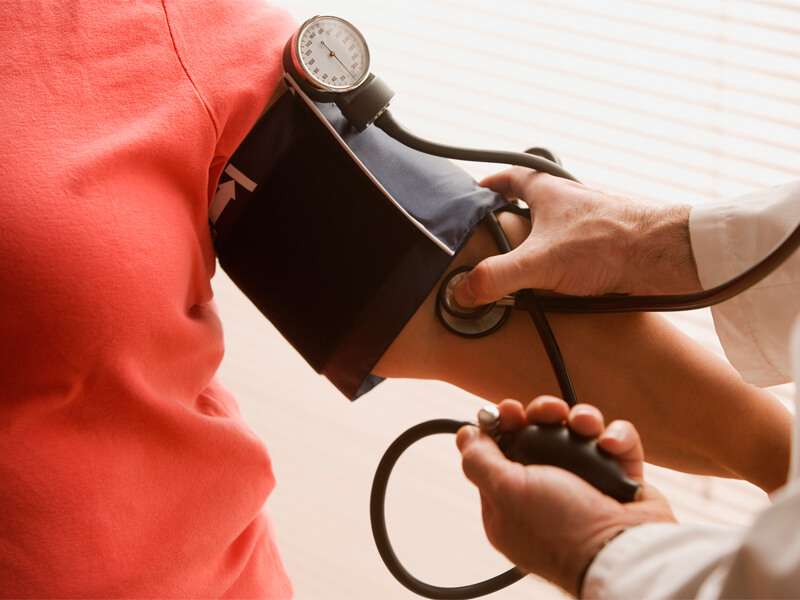
Immunizations play a crucial role in preventing infectious diseases. Staying current with vaccinations ensures your safety and that of those around you.
- Benefits: Vaccines protect against numerous diseases including influenza, hepatitis, and measles which might lead to serious illness or death.
- Diseases prevented: Common vaccines target conditions like pertussis (whooping cough), polio, and tetanus among others.
- Scheduling: Most immunizations are given during childhood but adults need boosters periodically; consult your healthcare provider about your vaccination schedule.
Keeping up with immunizations significantly contributes to overall public health by reducing the spread of contagious diseases.
DIABETES SCREENING

Screening for diabetes is vital for early detection and management of this chronic condition. Diabetes can lead to significant health complications if not identified early on.
- Symptoms: Common signs include increased thirst, frequent urination, extreme fatigue, and blurred vision.
- Causes: Factors include genetics, unhealthy diet, sedentary lifestyle, and obesity which contribute to insulin resistance.
- Diagnosis: Blood tests such as fasting glucose or HbA1c levels are used for diagnosis. An oral glucose tolerance test may also be conducted.
- Treatment options: Management may involve lifestyle modifications and medications such as metformin to control blood sugar levels.
- What to expect: Regular follow-up appointments will help monitor your condition and adjust the management plan if necessary.
This proactive approach helps mitigate severe complications related to diabetes over time.
HYPERTENSION MANAGEMENT
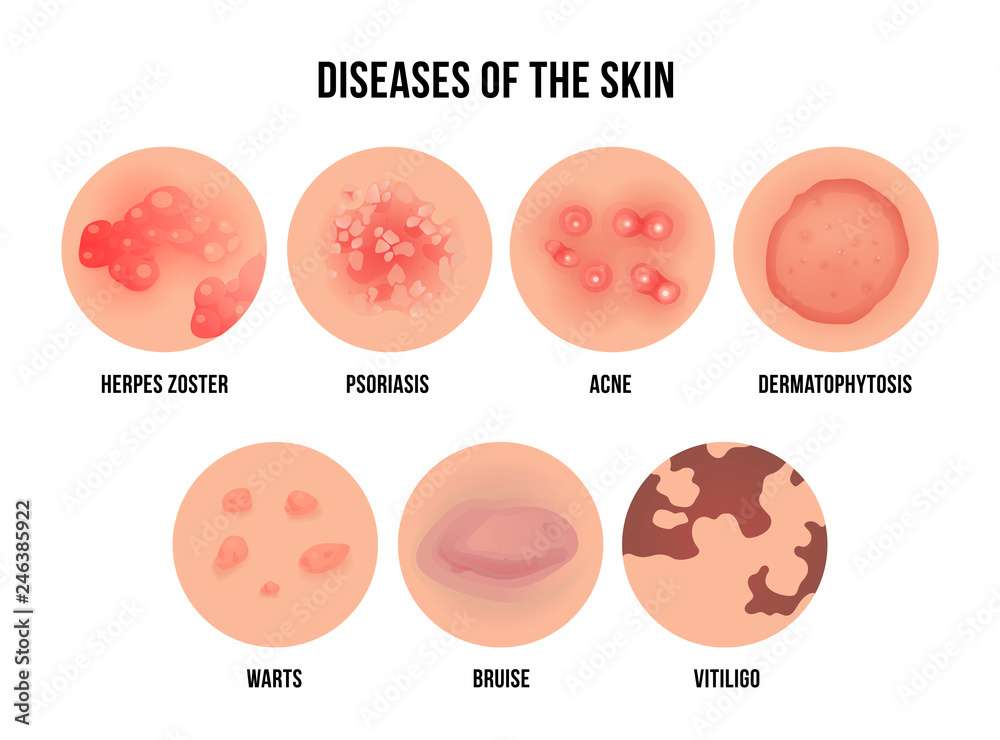
Hypertension, or high blood pressure, is a common condition that can lead to serious health issues if left untreated. It often results from various lifestyle factors and can manifest without noticeable symptoms.
- Symptoms: Many individuals may not experience symptoms; however, headaches, shortness of breath, and nosebleeds can occur in severe cases.
- Causes: Factors such as obesity, lack of physical activity, high salt intake, and genetics can contribute to hypertension.
- Diagnosis: Blood pressure is measured using a sphygmomanometer. Continuous monitoring may be recommended for accuracy.
- Treatment options: Lifestyle changes such as diet and exercise are crucial. Medications like diuretics or ACE inhibitors may also be prescribed.
- What to expect: Regular check-ups will help monitor your blood pressure and manage it effectively.
Proper management of hypertension is essential to prevent complications like heart disease or stroke.